How to Choose the Best Bathtub Carpet?
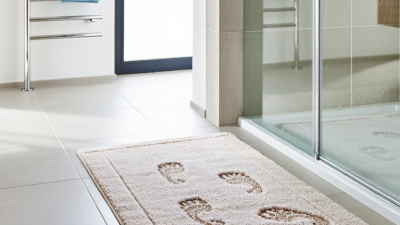
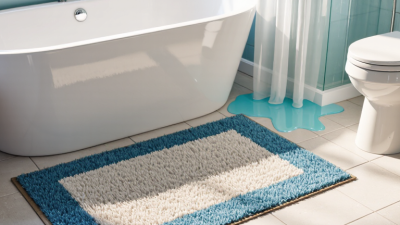
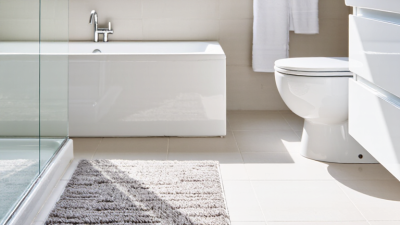
A Bathtub Carpet can make the area beside your tub feel warmer and more comfortable. Looks alone are a poor guide. Water, soap, and damp feet make grip and drainage important. Before choosing a style, consider the carpet’s size, backing, material, and drying time. A mat that shifts on smooth tile can create a risk, while one that stays wet may develop odors or mildew. Small details matter.
Start by measuring the floor space and checking that the carpet will not obstruct doors or drawers. Look for a stable, slip-resistant backing, but remember that no product can guarantee safe footing. Materials such as quick-drying microfiber may feel soft underfoot, while rubber-backed options can offer more hold; both still need regular care. Check the maker’s cleaning instructions, and make sure the carpet can dry fully between uses. A plush surface may feel inviting, but it can hold moisture longer than expected. That trade-off is easy to miss in a product photo. Think about who uses the bathroom, how often it gets wet, and whether you have room to hang the carpet after bathing. Choosing well is less about finding the thickest or prettiest option and more about matching practical features to your bathroom. Even careful comparisons have limits: floors, water exposure, and daily habits vary. The sections ahead explore these factors so you can make a considered choice.
Define Bathtub Carpets and Distinguish Them from Slip-Resistant Bath Mats
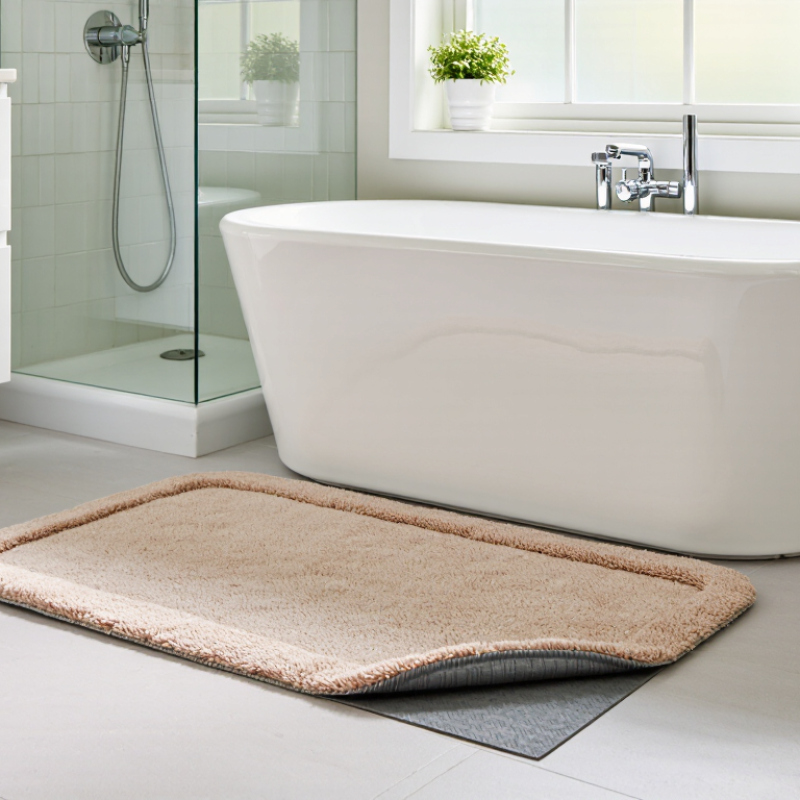
A bathtub carpet is usually a soft, absorbent floor covering placed beside the tub. It catches drips when you step out and can make cold tile feel warmer. Some products have a nonslip backing, but that does not make them suitable for use inside a bathtub. The term is not perfectly consistent across stores. Names can be confusing.
A slip-resistant bath mat is designed to sit inside the tub, where it contacts water and soap. It often has suction cups or a textured surface to help it stay in place. Check that it fits the tub floor and follow its cleaning instructions; trapped moisture can encourage mildew. No mat removes every slipping risk, especially when the surface is soapy.
Tips: Keep a bathtub carpet outside the tub, and let it dry between uses. Press an in-tub mat firmly onto a clean, wet surface before bathing, then check that it does not shift. If it moves, stop and reposition it. Small details matter. A plush carpet may look safer than it is.
Measure Tub Coverage, Drain Clearance, and Mat Dimensions Before Buying
How to Choose the Best Bathtub Carpet?
Measure the tub’s usable floor, not its rim. Record the length and width where the mat will sit, then check the drain’s position and diameter. Leave the drain fully open; a mat that overlaps it can slow drainage and trap water. For curved tubs, measure the flattest area and check that the mat’s edges will not curl against the sloped sides. Small details matter.
The U.S. Access Board’s 2010 ADA Standards specify a clear floor space of at least 30 by 48 inches beside a bathtub. That is an access guideline, not a bathtub-carpet size recommendation, but it is a useful reminder to keep surrounding floor space clear. The CDC reported about 38,000 fall-related deaths among adults aged 65 and older in 2021. A mat cannot prevent every fall, so fit, secure backing, and a dry surrounding floor all deserve attention. Measuring twice can feel fussy. It is still easier than returning the wrong size.
Tips: Use a tape measure and note drain-to-wall distance before shopping. Compare the mat’s listed dimensions with your measurements, and leave a visible gap around the drain. Press the mat down on a clean, wet tub floor to check its grip. Recheck after bathing; suction cups can loosen.
How to Choose the Best Bathtub Carpet? - Measure Tub Coverage, Drain Clearance, and Mat Dimensions Before Buying
| Tub Floor Size (Example) |
Mat Dimensions |
Approx. Floor Coverage |
Drain Clearance |
Best Fit |
Before Buying |
| About 54 × 22 in (137 × 56 cm) |
17 × 24 in (43 × 61 cm) |
About 34% by area |
Position to leave roughly 2 in (5 cm) or more around the drain opening. |
Compact tubs or partial foot-area coverage |
Check that the mat does not bunch against the tub’s sloped sides. |
| About 54 × 22 in (137 × 56 cm) |
20 × 30 in (51 × 76 cm) |
About 51% by area |
Keep the drain uncovered and maintain a visible gap around it. |
Balanced coverage for many standard rectangular tubs |
Compare the mat’s actual dimensions with the flat inner floor, not the tub’s outside measurements. |
| About 54 × 22 in (137 × 56 cm) |
21 × 34 in (53 × 86 cm) |
About 60% by area |
Check drain placement before choosing this longer size; do not cover the drain. |
Larger tubs with a long, unobstructed floor area |
Allow room for the mat to lie flat without climbing the tub walls. |
| Measure your tub’s flat inner floor |
Choose a size that fits within the measured floor area |
Mat area ÷ floor area × 100 |
Measure the drain opening and its location from the tub edges. |
Irregular, compact, or unusually shaped tubs |
Coverage percentages are approximate; tub contours and mat placement affect the usable fit. |
Measurement note: Example coverage uses a 54 × 22 in flat floor area. Measure your own tub and follow the mat’s installation instructions; ensure the mat lies flat and does not obstruct drainage.
Check Slip-Resistance Evidence: ASTM F462 Covers Slip-Resistant Bath Mats
How to Choose the Best Bathtub Carpet?
A bathtub carpet should feel steady under wet feet, not just soft. Check whether its backing grips the tub’s surface and whether the mat stays flat when you press its edges. ASTM F462 covers slip-resistant bath mats and provides a useful reference when assessing safety claims. Look for documentation that names the specific product and explains how it was evaluated. A vague “non-slip” label is not much evidence.
The standard can help you compare products, but it cannot promise that nobody will slip. Tub texture, soap residue, and installation all matter. A mat that shifts on a clean, dry tub may behave differently after use. Follow the care instructions, and check suction cups or backing regularly for wear. This detail is easy to miss.
Tips: Ask for ASTM F462 test information, then check the mat’s fit and grip on your own tub. Rinse away soap and let the mat dry between uses. If it curls or slides, replace it. A little inconvenient, perhaps, but worth noticing.
Prioritize Grip: CDC Data Found Falls Caused 81% of Bathroom Injuries Among People Aged 15+
How to Choose the Best Bathtub Carpet?
CDC data reports that falls caused 81% of bathroom injuries among people aged 15 and older. That figure makes grip more than a comfort feature. Choose a bathtub carpet with suction cups or another secure, water-safe backing designed for your tub’s surface. Check that it lies flat, covers the area where you step, and does not curl at the edges. A loose corner can catch a toe. Not ideal.
Before buying, measure the tub’s floor and check the manufacturer’s guidance for textured or refinished surfaces. Suction cups may not hold well on every tub, especially when soap film or residue is present. Press the mat down on a clean, wet surface, then test it gently before stepping in. It should not slide.
A soft top can feel reassuring, but texture and fit matter more than plushness. Rinse the mat after use and hang it to dry; trapped moisture can encourage mildew and weaken its hold. I would not trust a mat just because it stayed put yesterday. Recheck it regularly, and keep grab bars or other supports in place where needed.
A bath mat helps, but it cannot make every slippery tub safe.
Compare Materials, Backing, Cleaning Limits, and Replacement Guidance
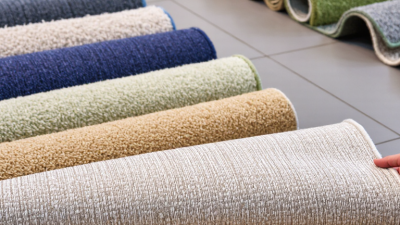
When choosing a bathtub carpet, match the material to where it will sit and how quickly it needs to dry. Cotton feels soft underfoot and absorbs splashes, but it can stay damp in a poorly ventilated bathroom. Microfiber dries faster in many homes and feels plush, though dense fibers may hold soap residue. A thin, low-pile mat is often easier to rinse and inspect. Comfort matters, but so does drying time.
Check the backing as carefully as the surface. Rubber or latex backing can help limit slipping on a clean, dry floor, but it may deteriorate or discolor some surfaces. PVC-style backing has similar care limits. Follow the carpet and flooring instructions, and lift the mat after showers to let both sides air out. Never assume a textured top prevents sliding. Test stability with a careful step.
Cleaning instructions vary. Some carpets are machine-washable; others need hand washing or spot cleaning. Use the stated water temperature and avoid harsh bleach unless the care label permits it. Rinse away shampoo and detergent, since residue can make fibers feel stiff. Replace the carpet if its backing cracks, curls, smells musty after washing, or no longer grips. There is no universal replacement interval. I’d check it monthly, though I have sometimes waited too long. Don’t.