SIMPLE, TRUST, INTROSPECTION MIND, DO 101 POINTS.

Leave Your Message

7 Best Shower Room Carpets for Comfort and Safety

A shower room can feel cold and slick underfoot, especially on tile after a hot rinse. The right Shower Room Carpet adds a softer landing and can absorb splashes, but comfort alone is not enough. Its backing, size, and drying time matter too. Small details count.

This guide looks at seven options through practical features: absorbency, grip, material, washability, and how well each carpet fits beside a shower or tub. A low-pile design may dry faster, while a thicker one can feel plush beneath bare feet. That extra softness may also hold moisture longer than expected. Trade-offs are real.

No carpet can make every wet floor safe. Check the maker’s care and placement instructions, and confirm that the backing suits your floor surface. A mat that shifts, curls at the edge, or stays damp needs attention. Grip is not guaranteed. Regular washing and thorough drying can help limit odors and buildup, though routines vary by household. These picks are starting points, not a substitute for checking dimensions and product details before buying. A careful fit often matters more than a stylish color.
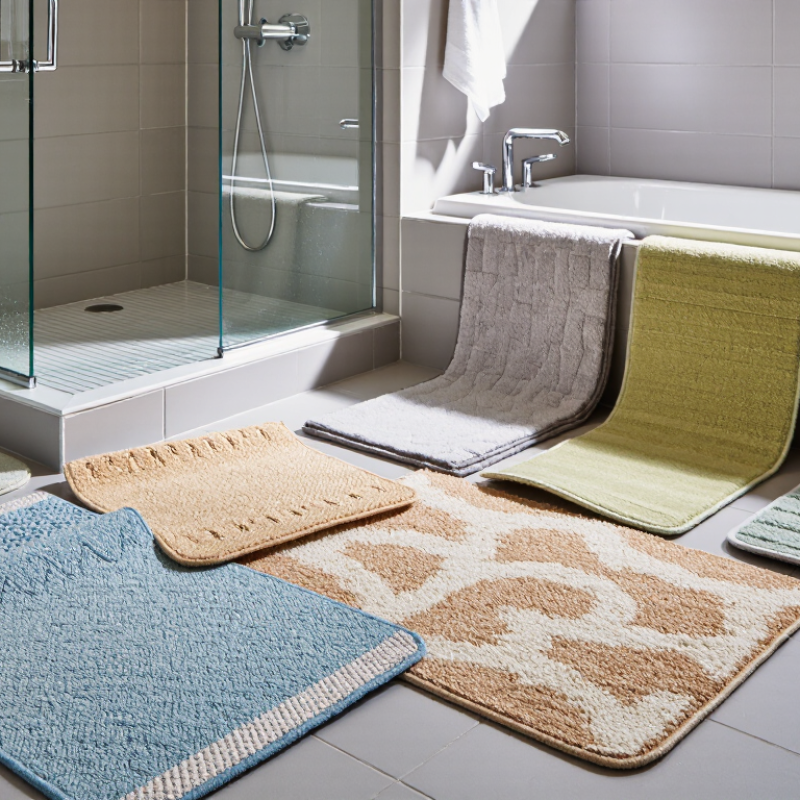
7 Best Shower Room Carpets for Comfort and Safety

What Shower Room Carpets Are and How They Support Comfort and Safety

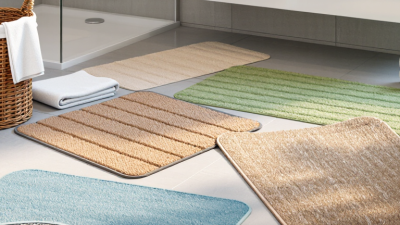
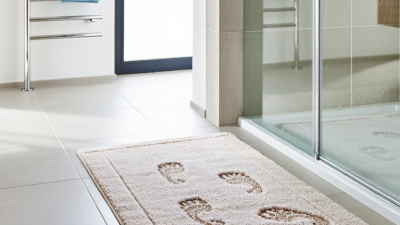
A shower-room carpet is a removable textile mat placed beside or just outside a shower. Unlike fixed flooring, it can absorb drips and give bare feet a softer landing. Its safety depends on details: a firmly gripping underside, flat edges, and enough space away from the shower door. A plush surface feels inviting, but a thick mat may bunch or catch a toe.

The risk is worth taking seriously. A CDC report estimated 234,094 emergency-department visits for bathroom injuries among US residents aged 15 and older in 2008; about 81% involved falls. Bathing and showering areas were common locations. These figures cover bathroom injuries, not shower-mat performance, so they should not be read as proof that a mat prevents falls. That distinction matters.

Choose a mat that stays put on your specific floor, then test its edges with a gentle foot push. Check the backing for wear. Lift the mat after use so water can drain and the floor can dry; trapped moisture can invite mildew and make the mat less dependable. Wash it according to its care label. A mat is not a handrail. It can also become a hazard if it slides, curls, or stays wet. Even a good one needs attention.
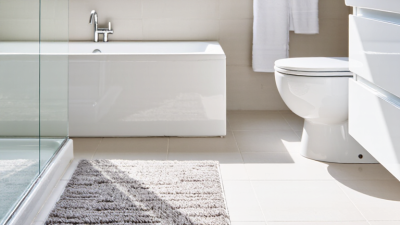
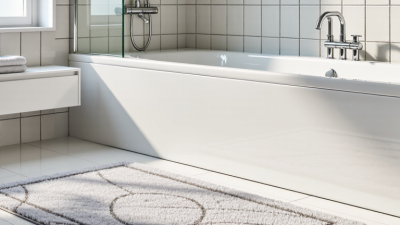
Key Features to Consider, From Grip to Water Resistance

Comfort matters, but grip and drying speed deserve equal attention in a shower-room carpet. A CDC analysis of 2008 U.S. emergency-department data estimated 234,094 bathroom-related injuries among people aged 15 and older. Falls caused 81.1% of those injuries. The figures cover bathrooms broadly, not carpets alone. Still, they show why a soft pile cannot replace a stable base. Look for textured backing that lies flat on your floor. Suction cups may help on smooth surfaces, but can lose contact on textured tile. Grip is not magic. Press the mat gently with your foot and check whether it shifts.

Water resistance should mean the backing resists soaking, not that the top sheds every drop. An absorbent surface can catch splashes; quick-drying fibers and washable construction make cleaning easier. Check care instructions, then lift the mat after showers so both sides can dry. Watch for curled edges, trapped hair, or a sour smell. These can signal that cleaning or replacement is overdue. Choose a pile that feels cushioned without hiding debris or making the mat unstable. Measure the landing area near the exit, keeping the door and drain clear. Thicker mats feel plush, yet often dry more slowly. A useful compromise. Check backing materials and washing guidance rather than relying on “non-slip” wording alone.

Seven Shower Room Carpet Options for Different Needs

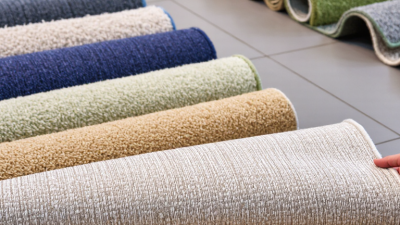
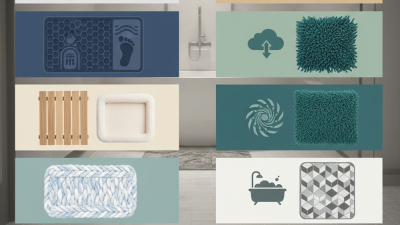
Seven shower-room carpet options suit different routines: plush microfiber feels soft under bare feet, while cotton dries quickly when hung. Waffle-weave fabric offers a lighter texture; low-pile washable mats are easier to clean. Rubber-backed mats can grip smooth floors, but only when their backing stays intact. For the shower entrance, choose a quick-draining mat rather than thick carpet. A diatomaceous-earth drying board is another option, though it feels firm, not cozy. Contoured mats fit around fixtures, but they should not obstruct walking paths.

Safety deserves equal attention. A CDC analysis estimated 234,094 emergency-department-treated, nonfatal bathroom injuries among U.S. adults in 2008. Falls caused 81.1 percent; 37.3 percent happened in or around a bathtub or shower (MMWR, 2008). Those figures cover bathrooms broadly, not shower mats alone. Still, they support keeping floors dry and walkways clear. Check that a mat lies flat, and wash and dry its underside regularly. “Non-slip” is not a guarantee. I check the corners twice; a damp edge can still curl. That detail is easy to miss.

How to Choose the Right Carpet for Your Bathroom

7 Best Shower Room Carpets for Comfort and Safety

How to Choose the Right Carpet for Your Bathroom

A bathroom carpet should feel comfortable without becoming a slipping or drying problem. Choose a low-pile mat with a backing designed to grip your floor, and check that its edges lie flat. Measure the space around the shower and door; an oversized rug can bunch or catch underfoot. A thick, plush pile feels inviting, but it may hold moisture longer. That trade-off is easy to underestimate.

CDC data indicate that about one in four adults aged 65 and older falls each year. This figure covers falls in all settings, not bathrooms alone, but it underscores why stable footing matters. Look for a mat that can be washed and dried according to its care instructions. Check underneath it regularly, too: water trapped between the backing and tile can leave the floor damp. No carpet removes every hazard.

Tips: Place the mat on a dry floor, not inside the shower. After bathing, hang it or spread it out to dry. If it shifts, curls, or stays wet, replace it or try a different size. A little less softness may be worth the steadier step.

7 Best Shower Room Carpets for Comfort and Safety

Compare popular bathroom carpet types using an illustrative 1–5 selection rating.

Ratings are qualitative guidance, not laboratory test results. Safety depends on the carpet’s backing, the floor surface, and regular cleaning and drying. Choose a secure non-slip backing or underlay, and check the care instructions before buying.

How to Clean and Maintain a Shower Room Carpet

Cleanliness starts with drying, not fragrance. After each shower, shake off excess water and hang the carpet over a wide rail. Make sure air can reach both sides. A narrow hook may leave a damp fold, so “hung up” does not always mean dry. Keep the carpet flat when you put it back, and check that its backing has not curled or cracked. A loose edge can catch a foot.

Follow the care label before washing. Use the recommended water temperature and detergent, and avoid bleach unless the instructions allow it. Rinse away soap residue, which can leave the surface slippery. Never mix cleaning products. The U.S. EPA’s A Brief Guide to Mold, Moisture and Your Home advises drying wet materials within 24–48 hours to help limit mold growth. That is a useful benchmark, not a guarantee for every carpet or bathroom.

Wash the carpet as often as its label and household use require; a busy, humid bathroom may need more frequent care. Between washes, inspect seams and backing for persistent odor, discoloration, or damage. Replace it if it stays damp or no longer grips the floor. I might overlook a slightly musty smell at first, but that is a reason to check underneath, not to add air freshener. Dry it fully.

7 Best Shower Room Carpets for Comfort and Safety — How to Clean and Maintain a Shower Room Carpet

Compare common bathroom rug and mat materials. Drying times are approximate and vary with thickness, airflow, humidity, and how much water the carpet absorbs. Always follow the care label.

Carpet Type Comfort and Best Use Safety Considerations Cleaning and Maintenance Typical Drying
Microfiber bath rug Soft, plush feel; a comfortable choice beside a shower or bathtub. Choose a rug with a secure, nonslip backing and place it on a clean, dry floor. Check that the backing is compatible with the floor finish. Shake out debris and machine-wash when the care label allows. Dry fully before putting it back down; avoid fabric softener if the label advises against it. Several hours; thick pile may take longer.
Low-pile polyester rug A smooth, lightweight option that is generally easier to move and wash than a thick-pile rug. A nonslip backing can help limit movement, but it does not replace careful placement or a dry floor. Vacuum or shake regularly; wash according to the product instructions. Hang or lay flat to dry completely. A few hours in a well-ventilated room.
Cotton bath mat Absorbent and comfortable underfoot; often suitable for frequent laundering. Cotton can shift on smooth floors. Use a suitable nonslip underlay or choose a mat with a secure backing. Machine-wash if permitted and dry thoroughly. Do not leave damp cotton folded or bunched, as it can develop an unpleasant odor. Several hours; dense cotton may need longer.
Chenille bath rug Textured, soft pile that feels cushioned and absorbs splashes around the shower exit. Check that the rug lies flat and the backing grips the floor. Keep its edges clear of doors and walking paths. Shake or vacuum gently and wash only as directed. Rinse away detergent residue and allow the pile and backing to dry fully. Several hours; deep pile can take longer.
Quick-drying synthetic mat A practical choice for busy bathrooms where a lighter, less absorbent mat is preferred. Look for a stable, nonslip underside and confirm that it is intended for bathroom floors, not for use inside a shower stall. Rinse or wipe clean as instructed and hang up between uses. Clean the floor beneath it regularly to prevent trapped moisture and residue. Often quicker than thick, absorbent rugs; airflow affects the result.
Natural-fiber rug Provides a firm, textured surface and a natural look; best in a well-ventilated area away from persistent splashing. Some natural fibers can absorb moisture or become slippery. Use only where the rug stays dry enough and lies securely flat. Follow fiber-specific care instructions; spot-clean gently and avoid soaking unless permitted. Dry promptly and thoroughly. Varies by fiber and construction; may be slow if dampened.
Washable low-profile mat A thinner, easy-to-handle option for smaller bathrooms or frequent cleaning routines. Make sure all edges stay flat and the underside is suitable for the floor surface. Replace it if the backing cracks or loses grip. Wash or wipe according to the care label and clean underneath regularly. Never return a damp mat to the floor. Usually faster than thick rugs, depending on material and ventilation.