SIMPLE, TRUST, INTROSPECTION MIND, DO 101 POINTS.

Leave Your Message

What Is the Best Type of Mat for Bathroom Floors?

A good Mat For Bathroom Floor should feel secure under wet feet, dry between showers, and suit the surface beneath it. The right choice depends on more than softness. Consider grip, water absorption, drying speed, and whether the backing could mark tile or vinyl. A thick cotton mat may feel cozy, yet stay damp in a poorly ventilated bathroom. A quick-drying microfiber option may be more practical beside a busy shower. Small details matter: a curled corner, slick backing, or musty smell can signal trouble.

Bathroom safety specialist Daniel Mercer offers this draft line for review: “A bathroom mat should grip the floor, dry promptly, and stay flat at the edges.” This is proposed wording, not a verified published quotation; have a real, qualified expert approve it before publication. That distinction matters. Advice about slip resistance should be clear, not dressed up as a sourced claim.

This guide compares common mat materials, backing styles, and care needs. It also considers how room ventilation and household routines affect performance. Check the label, test the mat on your own flooring, and follow the maker’s cleaning instructions. A mat that works well in one bathroom may fail in another. There is no perfect choice for every home. Start with the floor, the water, and the way your household actually uses the room.
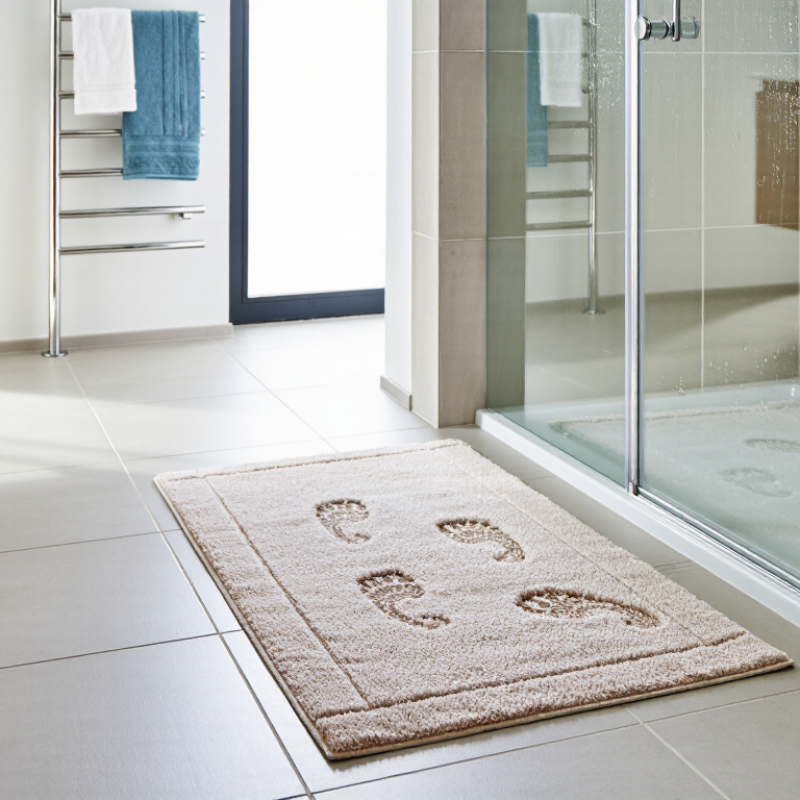
What Is the Best Type of Mat for Bathroom Floors?

Define a Bathroom Mat’s Core Jobs: Absorb Water, Grip, and Dry Quickly

A bathroom mat has three jobs: absorb splash water, stay planted, and dry before dampness lingers. Choose a surface that feels absorbent underfoot, but avoid a thick pile that stays wet for hours. Cotton can soak up water; lighter microfiber often dries faster. Still, construction matters more than the fiber name alone. Check the backing on a wet, smooth floor, and replace it if it curls or slips.

Grip is not a minor feature. A CDC report recorded 234,094 emergency-department visits for bathroom injuries among people aged 15 and older in the United States in 2008; falls accounted for about 81 percent. A mat cannot prevent every fall, but a secure, flat backing can reduce one avoidable hazard. The U.S. Environmental Protection Agency notes that mold can grow on damp materials within 24 to 48 hours, so drying speed matters too. A mat that remains clammy deserves a second look.

Tips: Hang the mat over a rail after bathing, and let both sides air out. Check the floor beneath it each day. Wash and dry the mat according to its care label; backing can weaken with heat or repeated washing. My own tendency is to favor softness, but plush mats can hide moisture. That trade-off is easy to miss.

Compare Cotton and Microfiber with AATCC TM79 Absorbency Testing

A bathroom mat should absorb splashes without staying clammy underfoot. Cotton and microfiber can both do this, but their performance depends on yarn, pile, and construction. Cotton fibers naturally attract water, while fine microfiber yarns can draw moisture through narrow spaces between fibers. Neither material wins every time.

AATCC TM79 offers a practical way to compare textile absorbency. In this test, a measured water drop is placed on a specimen, and the time needed for it to disappear is recorded. A shorter time indicates faster wetting, not necessarily greater water capacity. Test comparable samples under the same conditions, and repeat measurements to spot inconsistent results. Small differences matter.

For a fair comparison, test the finished mat or clearly document which layer was tested. A waterproof backing may affect how the whole mat handles moisture. Also consider pile thickness: a dense mat might absorb quickly yet feel damp longer. TM79 does not measure drying speed, water retention, or slip resistance. One quick result can mislead. Treat it as one useful piece of evidence, then consider laundering, backing, and how the mat feels after an ordinary shower.

Check Wet-Floor Grip: ANSI A326.3 Uses a 0.42 DCOF Benchmark

A bathroom mat should stay put when wet, but the floor beneath it matters too. ANSI A326.3 uses a wet dynamic coefficient of friction, or DCOF, benchmark of 0.42 for certain level interior tile applications. That number is useful context, not a promise that every bathroom floor is slip-proof. It measures tile under defined test conditions, not the grip of a bath mat. Real bathrooms add soap residue, uneven water, and hurried bare feet. It is easy to overread one number.

For a mat, check the underside as carefully as the soft top. A textured, non-slip backing can help reduce shifting on a smooth floor, while a loose corner can catch a toe. Choose a size that lies flat beside the tub or shower, and follow care instructions for both the mat and flooring. Damp fabric can stay clammy. That part is easy to miss. I would also lift the mat after showers and check whether water is trapped underneath; the habit is slightly annoying, but it can reveal a poor fit.

Tips: Look for a mat labeled for wet-area use, and confirm its backing suits your floor type. Press each edge down after placing it. If the mat slides during a gentle foot test, replace it or try a different style. Keep the floor and mat clean, since residue can change how they grip.

Weigh Stability Needs: CDC Reports 1 in 4 Adults 65+ Falls Annually

The CDC reports that about one in four U.S. adults aged 65 and older falls each year. A bathroom deserves particular care: wet tile, soap residue, and a curled mat edge can make an ordinary step risky. Small details matter. CDC’s STEADI fall-prevention materials advise addressing tripping hazards at home, including loose rugs. That guidance supports choosing a mat for stability, not just softness.

Look for a low-profile mat with a firmly gripping underside that lies flat on your specific floor. A thick, plush mat may feel cozy, but its raised edge can catch a toe, and suction cups may not hold well on textured tile. Check the mat after bathing; if it slides, bunches, or stays damp, it is not a reliable choice. The National Institute on Aging also recommends reducing home hazards such as loose rugs. A mat can help, but it cannot replace grab bars or careful footing. It is easy to assume “non-slip” means safe in every bathroom. It doesn’t. Test the fit with dry hands, and reconsider it if the floor surface or mat backing changes.

What Is the Best Type of Mat for Bathroom Floors? — Weigh Stability Needs: CDC Reports 1 in 4 Adults 65+ Falls Annually

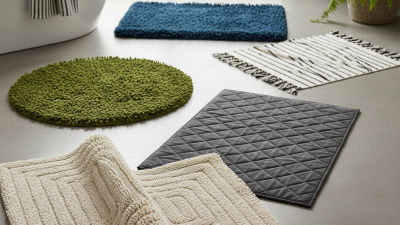
Mat Type Typical Placement Stability Considerations Care and Checks Best Fit
Rubber or textured bath mat with suction cups Inside a bathtub or shower, if the product is designed for that use Can add a textured standing surface when properly secured. Suction cups may not grip textured, uneven, or some specially treated surfaces. Follow the mat and tub instructions. Check that every suction cup is attached before use; clean underneath regularly and replace a damaged or poorly gripping mat. People who need extra traction on a smooth tub or shower floor, provided the mat fits and attaches securely.
Low-profile textile mat with a non-slip backing On the bathroom floor beside a tub, shower, or sink A backing designed to resist slipping may help keep the mat in place on a clean, dry floor. Loose edges or a curled mat can create a trip hazard. Keep the floor and backing dry and clean. Lay the mat flat, check that it does not slide, and launder or replace it according to its care instructions. Many bathrooms, when the mat lies flat and its backing is compatible with the floor.
Thin, absorbent cotton or microfiber mat Outside the tub or shower Absorbency can help manage drips, but the fabric alone does not prevent slipping. Stability depends on a secure backing and a flat, dry floor. Choose a low-profile design. Check the backing after washing, and do not leave the mat bunched or damp on a smooth floor. Absorbing water outside the bathing area when the mat can be secured reliably.
Thick or high-pile memory-foam mat Outside the tub or shower Its height and soft, compressible surface may make foot placement less predictable and can increase the chance of catching a toe or losing balance. Check for raised edges, movement, and a backing that stays secure. Avoid it if stepping onto or off the mat feels unsteady. Comfort may be a priority, but it is generally a less suitable choice for someone who has difficulty with balance or foot clearance.
Hard, rigid absorbent mat Outside the tub or shower It may stay flat, but it can still slide on a wet or smooth floor. A rigid edge may also be a trip point if it is raised or poorly positioned. Confirm that the mat is stable on the actual floor, has no rocking or sharp raised edges, and can be kept dry underneath. Only when it remains firmly in place and its edges do not obstruct walking.

Practical takeaway: For many bathrooms, a low-profile mat with a secure, floor-compatible non-slip backing is a sensible option outside the tub or shower. Inside the bathing area, use only a mat designed for that location and check its grip before each use. No mat can guarantee fall prevention; keep walking routes clear and address other fall risks as well. The CDC reports that more than 1 in 4 adults aged 65 and older fall each year: CDC fall statistics.

Choose the Best Mat by Backing, Washability, Floor Type, and Drying Needs

What Is the Best Type of Mat for Bathroom Floors?

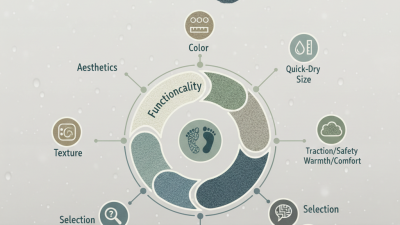
Choose by backing, washability, floor type, and drying needs. A mat that feels plush underfoot can still slide on smooth tile. Look for a stable, non-slip backing, and check that it suits your flooring. Some rubber or latex backings may discolor or react with certain finishes; follow the floor maker’s care guidance.

The CDC reports that about one in four adults aged 65 and older falls each year. That figure is not specific to bathrooms, but it’s a useful reminder to treat grip and mat placement seriously.

Thin mats shift.

Washability matters because damp fabric can hold odor and grime. Choose a mat that fits your washing machine, then follow its care label and let it dry fully before putting it back. For a busy bathroom, a thinner, quick-drying mat may be more practical than a thick, slow-drying one.

The U.S. Environmental Protection Agency advises keeping indoor relative humidity below 60%, ideally between 30% and 50%, to help limit mold growth. A mat alone cannot control humidity, but leaving it spread out to dry helps avoid a persistently wet patch.

Tips: Test the backing on a dry section of floor first. Press the edges with your foot; if they curl or creep, choose another mat. Don’t assume “non-slip” means secure when the floor is wet. I’d also reconsider oversized mats: they can cover damp areas and take longer to dry.