How to Find Top China Bathtub Mat Suppliers?
Finding a reliable China Bathtub Mat supplier requires more than comparing online prices. Bathrooms are wet, compact, and unforgiving of poor materials. A mat may look attractive in photographs yet curl after repeated washing. Buyers need evidence, not polished promises. This guide explains how to identify manufacturers with stable quality, practical experience, and dependable communication.
A professional supplier review should examine materials, backing, absorbency, stitching, packaging, and production capacity. Request clear specifications for microfiber, PVC, rubber, or other selected materials. Ask for product samples before discussing large orders. Test the mat on a smooth bathroom floor. Check whether it slides, sheds fibers, smells strongly, or dries slowly. Small details matter. They affect safety, customer reviews, and return rates.
Factory verification also deserves careful attention. Review business documents, product photographs, audit records, and recent customer references when available. A video tour can help, but it should not replace independent checks. Confirm quality-control procedures at several production stages. Discuss color consistency, logo placement, carton strength, lead times, and replacement policies. Reliable suppliers answer clearly and document changes. Unclear replies may indicate future problems. However, no supplier is perfect, and even a careful buyer can miss hidden risks. Start with a manageable trial order, record every agreement, and reassess performance after delivery. This balanced process can help importers choose a China Bathtub Mat partner with greater confidence.
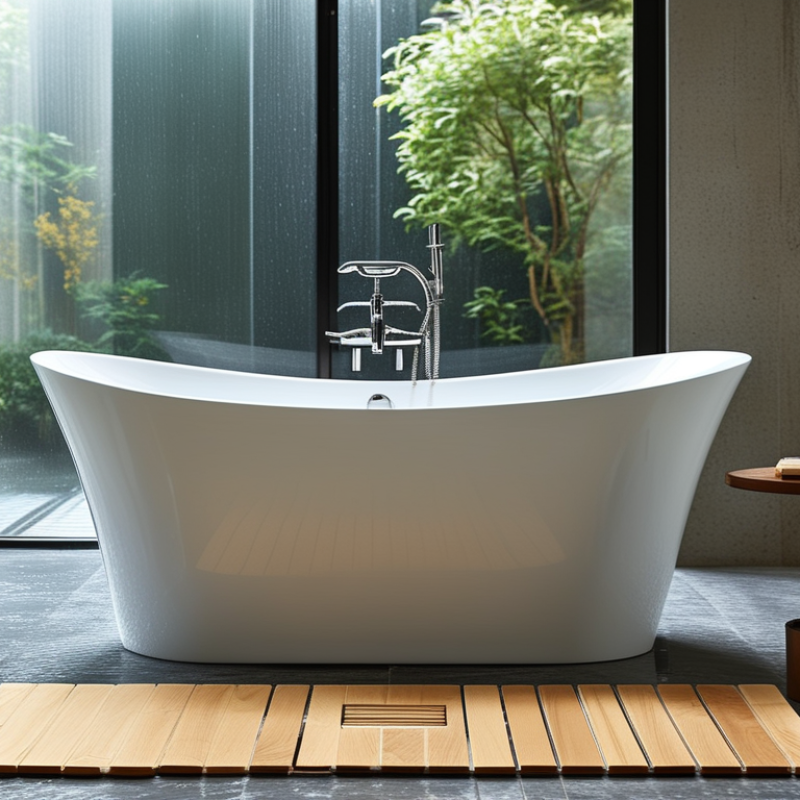
Define Your Bathtub Mat Sourcing Requirements
When searching for top China bathtub mat suppliers, define your sourcing requirements before comparing factories. A clear brief prevents attractive samples from hiding practical problems. State your target mat size, shape, thickness, color range, and expected monthly volume. Include the bathtub dimensions and floor type.
A mat for smooth tiles may need stronger suction cups. Textured floors may require a different backing design. Specify the preferred material, drainage holes, surface texture, odor limits, and packaging method.
Small details matter.
Ask whether the mat can be rolled without permanent creases. Request samples in several colors, not just one perfect-looking piece. Check flexibility, edge finishing, suction performance, and drying speed yourself.
Your brief should also cover minimum order quantity, sample fees, production time, carton dimensions, and inspection standards. Ask suppliers for material declarations, relevant test reports, and clear production photographs. These documents do not replace independent checks, but they reveal how seriously a supplier manages quality. I once overlooked carton height during an early sourcing project. The mats passed inspection, yet shipping space increased unexpectedly. That mistake changed my checklist. Confirm package measurements before approving the quotation. Leave room for corrective samples and production inspection. A low price is less useful when the product needs frequent returns or manual rework.
Research China’s Main Bathtub Mat Manufacturing Regions
How to Find Top China Bathtub Mat Suppliers?
China’s bathtub mat industry is concentrated within broader home-textile and household-product clusters. The China Household Textile Industry Association’s 2023 industry review identifies Jiangsu, Zhejiang, Shandong, and Guangdong as major production regions. These locations offer different strengths. Nantong in Jiangsu is strong in cotton, chenille, and woven textile production. Zhejiang supports rubber, PVC, and household plastic processing. Guangdong is useful for molded products, quick sampling, and export-oriented factories. Shandong also deserves attention for textile materials and large-scale manufacturing.
Regional research should come before supplier comparisons. Mordor Intelligence’s 2024 bath-mat market assessment forecasts steady global growth through 2029, with hygiene, water absorption, and anti-slip performance influencing demand. That trend explains why suppliers increasingly invest in latex backing, memory foam, microfiber, and automated cutting. Ask factories about material thickness, backing adhesion, edge stitching, and wash-cycle results. Do not rely only on catalog photographs.
Public data is imperfect. UN Comtrade places many bath mats under broader floor-covering HS categories, so export figures may include unrelated products. Treat those numbers as directional, not exact. I would verify factory capacity through production videos, sample inspections, and recent test reports. A factory near a strong material cluster may reduce lead times, but distance does not guarantee quality. That shortcut can fail. Check whether the supplier actually manufactures mats or simply resells them.
Evaluate Supplier Quality, Materials, and Production Capacity
Finding reliable China bathtub mat suppliers starts with evidence, not attractive catalog photos. Request material specifications for PVC, TPE, rubber, or fabric models. Check softness, drainage-hole design, backing grip, odor, and color stability. Ask whether materials are virgin, recycled, or blended. These details affect safety, cleaning, and customer complaints. Request recent test reports. However, documents should support, not replace, hands-on inspection.
I have learned to inspect samples on wet, smooth, and textured bathroom floors. A strong mat should lie flat after washing and resist curling at the edges. Measure thickness in several places, because one perfect corner proves little. Check stitching, suction cups, drainage speed, and packaging compression. Some suppliers provide excellent samples but inconsistent mass production. That risk deserves attention. Ask for batch records, in-line inspections, final inspection standards, and defect photographs. An independent factory audit can verify equipment, staffing, and traceability.
Production capacity requires more than a monthly output figure. Confirm molding machines, drying space, warehouse conditions, labor coverage, and peak-season planning. Request realistic lead times for sampling, tooling, bulk production, and replacement orders. Compare stated capacity with purchase records and shipment history when available. During a video call, ask the supplier to show current production lines. Small gaps matter. I once accepted an optimistic schedule and underestimated packaging delays. That mistake changed my evaluation process. Reliable communication, transparent limits, and documented corrective actions often reveal more than low pricing.
Verify Certifications, Samples, Pricing, and Trade Terms
How to Find Top China Bathtub Mat Suppliers?
When evaluating China bathtub mat suppliers, start by checking relevant certifications and test reports. Ask for clear copies showing the issuing organization, product scope, test date, and factory details. A certificate may cover only one material or model, not every mat in the supplier’s catalog. Verify the information through the issuer when possible. Also request declarations for material safety, colorfastness, slip resistance, and packaging compliance. Requirements vary by destination market.
Samples reveal details that catalogs often hide. Inspect the mat’s thickness, water absorption, backing grip, edge stitching, and odor after unpacking. Place it on tile, wet the surface, and test movement with normal pressure. Wash it according to the proposed care label, then check shrinkage and curling. Ask for several colors if dye consistency matters. One sample is not enough.
Pricing needs a complete breakdown. Confirm the unit price, minimum order quantity, sample charges, packaging, tooling, inspection, freight, and payment schedule. Request quotations under clearly stated trade terms, such as EXW or FOB, because transport responsibilities differ. Confirm production lead time, loading port, carton dimensions, and acceptable defect limits. A cheap offer can become expensive after packaging changes or delays. I still find supplier comparisons imperfect, especially when specifications are not identical. That uncertainty deserves written clarification, not guesswork. Get every important promise in the quotation and sales contract.
Compare Supplier Reliability Before Placing an Order
How to Find Top China Bathtub Mat Suppliers?
Supplier reliability matters more than a low quotation. I learned this after receiving samples that looked excellent but failed after repeated washing. Before placing an order, compare each supplier’s operating history, production capacity, and quality records. Ask for a current business license, factory address, export experience, and recent inspection reports. A reliable supplier should answer clearly and provide consistent documents.
Request samples from at least three suppliers. Check the mat’s suction cups on wet tile, edge stitching, drainage holes, and odor after opening the package. Wash each sample several times. Measure shrinkage and inspect whether the backing becomes hard or cracked. Small differences matter. Ask suppliers to explain their material standards and inspection process. Their answers should match the physical results.
Communication also reveals practical reliability. Record response times, revised quotations, sample dates, carton details, and production promises. Request a written specification covering dimensions, materials, packaging, tolerance, and defect handling. Contact two previous business references when possible. Be careful with suppliers who avoid factory videos or change terms repeatedly. I once trusted a polished presentation too quickly, and the missing packaging details caused extra work later. That mistake still influences my supplier checks. A transparent supplier may admit limitations, suggest realistic lead times, and accept reasonable pre-shipment inspections.