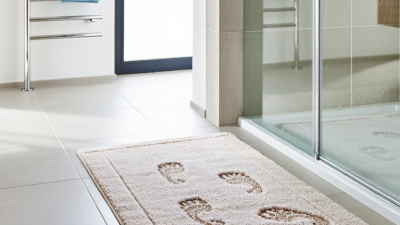
SIMPLE, TRUST, INTROSPECTION MIND, DO 101 POINTS.

Leave Your Message

Why Choose a Shower Rug for Your Bathroom?

Bathrooms can become slippery when water collects beside a shower. A small detail matters. A rug placed outside the shower can absorb drips, soften cold tile, and make stepping out more comfortable. When people search for a “Showers Rug,” they may be looking for more than color or texture. The right choice should suit the room, the floor, and everyday cleaning habits.

Material affects how a rug feels and dries. Cotton is soft and familiar, while microfiber often feels plush and can absorb water quickly. Neither option is automatically best for every bathroom. Check the care label, since a rug that cannot be washed easily may be harder to keep fresh. A nonslip backing can help limit movement, but it does not make a wet floor completely safe. Keep the floor beneath the rug clean and dry, and replace or reposition it if it shifts.

Size matters too. A compact rug may fit a narrow bathroom, while a wider one can catch more drips near a shower entrance. Still, a large rug may bunch against a door or stay damp in a crowded space. Measure the available area before buying, and consider how often the bathroom is used. These practical details are easy to overlook. Choosing a shower rug is not a cure for every slip risk, but a suitable, well-maintained one can make the space feel warmer and more considered.
Why Choose a Shower Rug for Your Bathroom?

What a Shower Rug Is and Where It Fits in a Bathroom

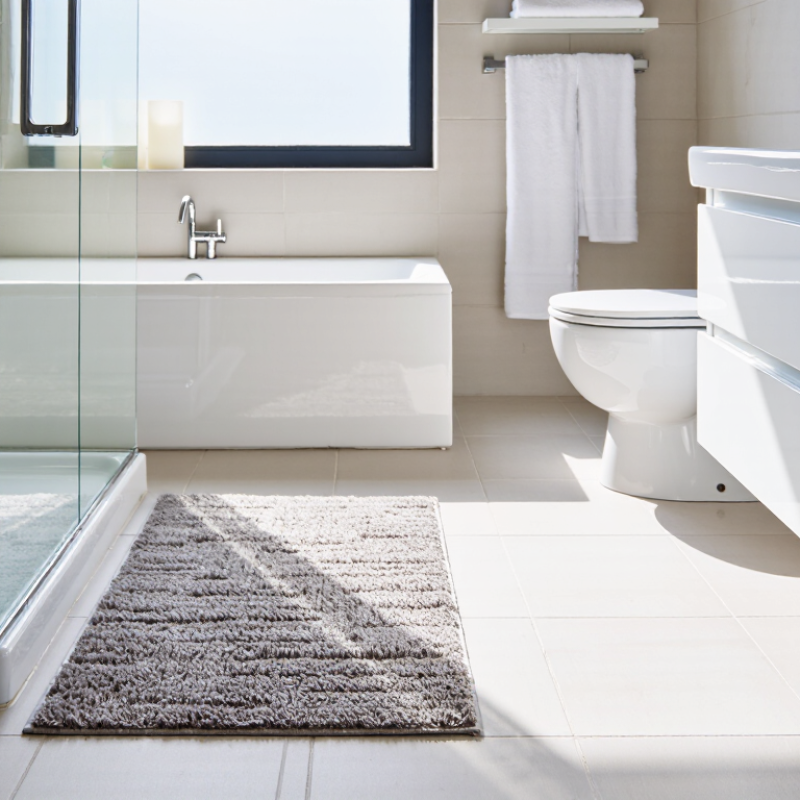
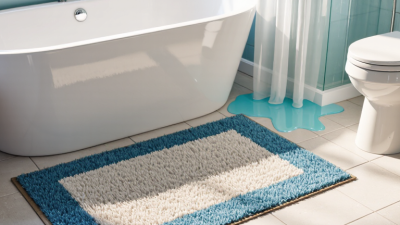
A shower rug is a small floor covering placed just outside a shower or bathtub. It catches water from wet feet and gives you a softer place to stand while drying off. It is not meant to sit inside the shower stall, where constant water and soap can make it slippery. Think of it as a transition between the wet bathing area and the rest of the bathroom.

Its best location is usually where you step out, with enough space to plant both feet. In a narrow bathroom, a short rectangular rug may fit beside the shower without blocking a door or cabinet. A larger one can work in front of a wide walk-in shower, but leave clear floor around nearby fixtures. Measure the space with the door open; that small detail is easy to miss. A rug that bunches underfoot is not helpful.

Materials affect how the rug feels and dries. Cotton is comfortable, while quick-drying synthetic fibers may suit a bathroom that stays humid. Check that the backing grips the floor, especially on smooth tile, and follow the care label for washing and drying. Still, no backing makes a wet rug completely risk-free. Lift it now and then to check for dampness underneath. A little maintenance matters. The right rug should fit the room, dry between uses, and feel steady underfoot—not just look soft in a photo.
How a Shower Rug Helps Reduce Slips and Falls

Why Choose a Shower Rug for Your Bathroom?

How a Shower Rug Helps Reduce Slips and Falls

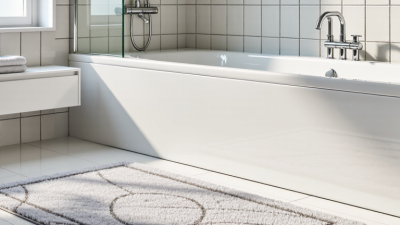
A shower rug can make the step out of a wet shower less slippery by absorbing water near the tub or shower entrance. That matters. A small puddle on smooth tile can be hard to notice, especially when the floor looks nearly dry. A rug with a secure, nonslip backing may help it stay in place as you step onto it.

Placement and upkeep matter just as much as the rug itself. Set it on a clean, dry floor, with its edges lying flat rather than curled up. After a shower, check that the rug has not bunched or shifted. If it stays damp, hang it to dry; a rug that holds moisture can become unpleasant and may affect the floor beneath it. Follow its care instructions, and replace it if the backing wears down.

A shower rug is not a guarantee against falls.

Not foolproof.

It should not replace careful footing, grab bars, or other support where needed. Also, rugs made for bathroom floors are not necessarily safe inside a shower. Choose one designed for the spot where you plan to use it, and check its grip regularly.

The Comfort and Warmth a Shower Rug Can Provide

Cold tile can make the few steps after a shower feel surprisingly harsh. A shower rug gives bare feet a softer, warmer surface while you dry off or reach for a towel. The comfort is local, not dramatic. Still, a small patch of warmth matters on a chilly morning.

The World Health Organization’s 2018 Housing and Health Guidelines identify 18°C as a safe minimum indoor temperature for the general population in cold seasons. That figure describes room air, not the temperature a rug creates underfoot. ASHRAE Standard 55-2023 gives an acceptable floor-surface range of 19–29°C for seated occupants; it is useful context, not a performance promise for bathroom rugs.

A rug may soften the first touch of tile, but it will not heat the room. Not a heater.

Choose a surface that feels comfortable, and let it dry fully between showers. Damp fabric can feel clammy, undoing some of that cozy effect.

There is a trade-off: thicker pile may feel plush, yet it can take longer to dry. Check the underside, too; a rug that shifts on wet tile is uncomfortable, however soft it feels.

Common Shower Rug Materials and Their Hygiene Needs

Cotton feels soft under bare feet and absorbs splashes quickly, but a thick cotton rug can stay damp long after the floor looks dry. Wash it regularly, and hang it over a rail after use so air reaches both sides. Small detail, big difference. The U.S. Environmental Protection Agency’s A Brief Guide to Mold, Moisture and Your Home recommends drying wet materials within 24–48 hours to help prevent mold growth. That guidance concerns damp materials generally, not shower rugs alone, but it offers a useful drying benchmark.

Microfiber rugs often dry faster than dense cotton, yet their deep pile can hold skin flakes, hair, and soap residue. Shake them out, follow the care label, and wash them when they smell musty or feel coated. Rubber- or PVC-backed mats need extra attention: lift them after showers, dry the floor beneath, and check for peeling or trapped moisture. Never assume a waterproof backing means a hygienic one. Wood or bamboo mats drain well when raised on feet, but rinse away residue and let every slat dry. Honestly, no material stays clean by itself; the bathroom’s airflow and your laundry routine matter just as much.

Why Choose a Shower Rug for Your Bathroom? - Common Shower Rug Materials and Their Hygiene Needs

Material Typical features Hygiene considerations Practical care Best suited for
Cotton Soft and absorbent; commonly made as a washable fabric mat. Can stay damp in a humid bathroom. Moisture and detergent residue may encourage odor or microbial growth if the mat is not dried and cleaned regularly. Follow the care label, wash regularly, and hang or spread out to dry fully between uses. Check that any backing can be laundered. People who want a soft, absorbent mat that can be machine-washed.
Microfiber or polyester pile Often feels plush and may dry faster than a thick cotton mat, depending on pile density and construction. Fibers can trap lint, skin flakes, and product residue. A damp mat still needs airflow and routine washing. Shake out debris, wash according to the label, and dry completely. Avoid high heat if the care instructions warn that it may damage fibers or backing. Those who prefer a soft surface and want a lightweight option.
Natural rubber or PVC Commonly used for perforated mats designed to sit inside a bathtub or shower; openings help water drain. Water, soap film, and body oils can collect underneath or in textured areas. Poorly dried mats may develop odor or surface growth. Rinse after use, lift it to clean and dry the tub or shower floor, and clean the mat according to its instructions. Replace it if it cracks or loses grip. People seeking a mat for use inside a wet shower or bathtub. Check fit and slip-resistance instructions.
Diatomaceous earth or mineral composite Rigid, porous mats absorb surface moisture and release it as they dry; performance varies by product and room conditions. The surface can accumulate dust, residue, or stains. These mats are generally not designed to be immersed or machine-washed. Keep on a level, dry floor, clean as directed, and allow airflow around it. Do not use abrasive cleaning methods unless the manufacturer permits them. Those who prefer a firm, quick-to-dry surface outside the shower and can follow specific care instructions.
Bamboo or wood slats A firm, raised surface lets air circulate beneath the mat; suitable use depends on the product's finish and construction. Water can collect between slats or beneath the mat. Persistent dampness may damage the material and make cleaning harder. Wipe clean as directed, lift regularly to dry the floor underneath, and keep the mat out of standing water unless it is specifically made for that use. People who want a firm, ventilated mat outside the shower.

Hygiene tip: Let bathroom mats dry fully between uses, clean them at the frequency recommended on the care label, and check the floor underneath. A bath rug placed outside the shower is not a substitute for a shower mat designed for use on a wet bathing surface.

How to Choose and Maintain a Shower Rug

Why Choose a Shower Rug for Your Bathroom?
How to Choose and Maintain a Shower Rug

A shower rug can soften cold tile, but fit and grip matter more than plushness. Choose a low-pile rug with backing designed for wet floors. Check that it lies flat without curled edges. Measure your standing area; a rug that bunches underfoot can become a trip hazard. A 2011 CDC report estimated 234,094 nonfatal bathroom injuries among U.S. adults aged 15 and older in 2008. About 81% involved falls. The report did not test rugs, so treat one as a modest aid, not fall-proofing. Keep grab bars and a clear path in mind.

Check whether your flooring allows rubber or latex backing; some materials may discolor certain finishes. After showering, lift the rug and hang it fully open instead of leaving a damp fold on the floor. The EPA’s mold guidance recommends drying wet materials within 24–48 hours to help limit mold growth. Wash the rug according to its care label, then dry it completely before reuse. Inspect seams and backing for cracks, peeling, or persistent odor. Replace it if it still slides after cleaning. A little inconvenient. Still, it is better than assuming a worn rug is safe.