SIMPLE, TRUST, INTROSPECTION MIND, DO 101 POINTS.

Leave Your Message

How to Choose the Best Bathtub Carpet?

Choosing the right Bathtub Carpet is more than matching colors with bathroom tiles. It affects comfort, drying speed, cleanliness, and daily safety. A soft surface feels pleasant after a warm shower, but softness alone can be misleading. Some thick carpets trap water beneath their fibers, creating a damp smell by evening. That detail is easy to miss in a showroom.

Start with the bathroom itself. Measure the floor beside the tub, including the space near the toilet and door. A carpet that curls against the doorway can become a tripping hazard. Look for absorbent fibers, a quick-drying structure, and a stable backing that grips smooth flooring. Rubber or latex backing may improve traction, although it can leave marks on certain floors. Check the manufacturer’s care instructions before buying.

Small details matter.

During everyday use, lift the carpet and inspect underneath it regularly. If the floor remains wet, the product may be too dense for your ventilation or household routine. Machine-washable designs are convenient, yet repeated washing can weaken backing materials over time. I would not trust every “non-slip” claim without testing the carpet carefully on your own floor. Product descriptions can be incomplete, and bathroom conditions vary widely. This guide compares materials, sizes, drainage, maintenance, and safety features to help you choose with clearer expectations. The best option is not always the thickest or most expensive one. It is the carpet that stays comfortable, dry, stable, and manageable in your real bathroom.
How to Choose the Best Bathtub Carpet?

What to Consider Before Choosing a Bathtub Carpet

Choosing a bathtub carpet requires more than matching your bathroom colors. Safety, moisture control, and daily maintenance matter more than appearance. Measure the space beside the tub and leave enough room for doors and drawers to open freely.

Look for a carpet with strong water absorption and a quick-drying surface. Cotton feels comfortable under bare feet, while microfiber often dries faster. The backing should grip the floor without leaving sticky residue. Test it on your bathroom surface if possible. A loose edge can become a serious tripping risk, especially for children or older adults.

Cleaning habits also affect your choice. Select a carpet that can be machine-washed if you wash bathroom textiles frequently. Check the care label before buying. Some thick carpets stay damp underneath, even when the top feels dry. That can create unpleasant odors and encourage mildew. I once chose a deep, soft carpet because it looked luxurious, but it dried too slowly in a poorly ventilated bathroom. That choice was attractive, but impractical. Consider the room’s airflow, floor type, and household traffic before deciding. A washable, low-profile design may serve better than a thick decorative one. Test comfort, stability, and drying time, not just visual appeal.
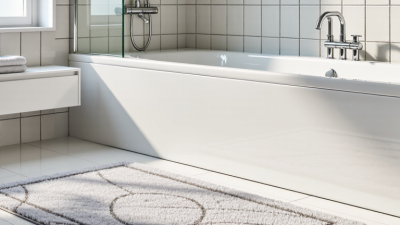
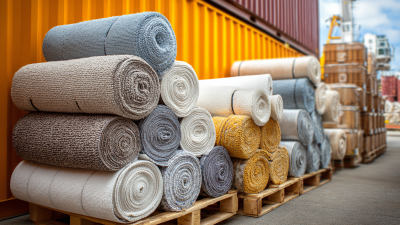
How to Compare Bathtub Carpet Materials and Construction

Choosing the best bathtub carpet starts with its material, not its appearance. Microfiber dries quickly and feels soft under bare feet. Cotton absorbs more water, but it may stay damp beside a poorly ventilated tub. That moisture can create odor. Bamboo-based surfaces feel firm and dry faster, although they offer less cushioning. In my own bathroom, a thick cotton mat felt comfortable at first. It became heavy after several showers. I underestimated drying time.

Construction matters just as much. Examine the backing carefully. TPE or rubber backing can improve grip, but it should not cover the entire underside without drainage channels. Trapped water may damage flooring or encourage mildew. Latex-free options can be useful for people with sensitivities. Look for tightly stitched edges, even pile height, and secure seams. A loose edge can curl after repeated washing. Small details matter.

Check the care label before buying. A washable carpet is more reliable when it keeps its shape after warm-water cleaning. Avoid assuming every non-slip backing is safe on every floor. Test it on a dry surface, then inspect the floor underneath after use. Short fibers usually dry faster and collect less hair. Longer fibers feel warmer, but they need more maintenance. I still prefer a slightly thinner mat near the tub; it dries sooner, though it feels less luxurious. That trade-off is easy to overlook.

How to Select the Right Size, Shape, and Fit

How to Choose the Best Bathtub Carpet?

Choosing the best bathtub carpet starts with accurate measurements, not color or softness. Measure the open floor beside the tub, including space near the toilet and door. Leave a few inches around the edges for easier cleaning and safer movement. A mat touching every wall may trap moisture. That detail is easy to miss.

Use masking tape to outline the possible size on your bathroom floor. Stand beside it and open the door fully. This simple test reveals whether the mat blocks movement. Rectangular mats suit straight tubs and narrow spaces. Curved or contoured mats can follow rounded tub fronts more naturally. Check the shape around corners, faucets, and cabinet doors before buying. The best fit should look intentional, not squeezed into place.

Material and thickness also affect practical fit. A low-profile carpet is less likely to catch beneath a door. Choose absorbent fibers and a stable, slip-resistant backing for damp floors. However, backing can lose grip when soap or water collects underneath, so regular washing matters. Check the care instructions and measure the stated dimensions yourself. I once selected a mat that looked generous online, but it crowded the doorway. That mistake changed how I shop. A tape outline now seems more reliable than a photograph.

How to Evaluate Safety, Comfort, and Water Resistance

How to Choose the Best Bathtub Carpet?

Safety should guide every bathtub carpet decision. Measure the floor carefully, including curved edges and nearby fixtures. A loose carpet can fold under your feet. That is risky. Choose a stable backing with reliable grip on your floor type. Test it with dry and damp feet, because bathroom surfaces behave differently when wet. Avoid designs that cover the drain or create raised edges.

Comfort matters during ordinary routines, not just when the carpet looks attractive. Stand barefoot on the sample for several minutes. Notice whether the pile feels soft, firm, or strangely uneven. A medium-height, dense texture often balances cushioning and easy cleaning. Very thick fibers may feel pleasant, but they can stay damp longer. I once selected a soft, deep carpet that looked excellent; it later felt cold and heavy after washing.

Water resistance needs careful interpretation. Water-resistant fibers repel splashes, while waterproof materials resist water more completely. Few bathtub carpets remain perfectly dry in real bathrooms. Look for fast-drying construction, washable materials, and a backing that does not absorb moisture easily. Check the underside after use. If it smells musty or remains wet overnight, the carpet needs better ventilation or replacement. A sunny window can help, although direct heat may damage some materials. Inspect seams monthly, because small cracks can become slipping hazards.

How to Clean, Maintain, and Replace a Bathtub Carpet

How to Choose the Best Bathtub Carpet?

Cleaning and maintaining a bathtub carpet starts with controlling moisture. I lift it after every shower and hang it over a wide rail. This simple habit lets air reach the backing and reduces mildew growth. I vacuum loose hair before washing, because wet hair becomes difficult to remove. Air matters.

I check the care label before using detergent or a washing machine. A gentle cycle and mild, fragrance-free detergent usually protect the fibers. I avoid chlorine bleach unless the instructions specifically allow it. It can weaken fibers and damage colored patterns. For small stains, I blot with diluted soap instead of scrubbing aggressively. Scrubbing can push dirt deeper. After washing, I rinse thoroughly and dry the carpet completely. A damp carpet can smell sour within a day. I once placed mine back too early, and the rubber backing developed cracks. That shortcut was a mistake.

Replacement becomes necessary when the backing curls, slips, or feels brittle. I also replace a carpet with spreading dark spots, persistent odor, or loose fibers. Before buying another one, I measure the available floor area and check its drying requirements. A water-resistant backing is useful, but it still needs ventilation. I test a new carpet on a dry floor and watch for movement during the first few baths. Small details matter. Regular inspection takes less than a minute, yet it can prevent falls and unnecessary damage.

How to Choose the Best Bathtub Carpet? - How to Clean, Maintain, and Replace a Bathtub Carpet

Material or Feature Best Use Water Absorption Drying Performance Cleaning Requirement Typical Replacement Indicator
Microfiber or polyester Softness, quick-drying comfort, and everyday bathroom use Moderate to high; absorbs splashes effectively Usually good when hung or spaced out after use Machine wash according to the care label; dry completely Persistent odor, flattened pile, frayed edges, or backing failure
Cotton Natural feel and high absorbency in well-ventilated bathrooms High; can remain damp longer than synthetic fibers Moderate; ventilation is important Wash regularly and avoid storing while damp Mildew spots, sour odor after washing, shrinkage, or thinning fabric
Memory foam Cushioned support for standing near the bathtub Low surface absorption, but the foam may retain moisture internally Slow to dry if saturated; requires air circulation Spot-clean or wash only if the care label permits; do not leave folded when wet Permanent odor, crumbling foam, loss of resilience, or moisture trapped inside
PVC or rubber-backed Areas needing extra splash resistance and floor protection Low on the backing; the upper fabric may still absorb water Backing can slow evaporation if placed directly on the floor Lift regularly, clean both sides, and dry the floor underneath Cracking, peeling, curling, sticky residue, or loss of grip
Bamboo or wooden slat mat Fast drainage and a firm surface in humid bathrooms Very low; water drains through the slats Good when elevated and allowed to air-dry Wipe regularly, rinse when needed, and dry thoroughly Splinters, warped slats, cracked coating, or persistent mold growth

Cleaning and Maintenance Schedule

Task Recommended Frequency Recommended Method Important Precaution
Remove surface moisture After each bath or shower Hang, fold back, or place the carpet where air can circulate Do not leave it pressed against a wet floor
Vacuum or shake out debris Weekly Shake outdoors or use a suitable vacuum attachment Avoid aggressive brushing that can damage the pile
Wash fabric carpets Every 1–2 weeks in regular use Use the care-label cycle and a mild detergent Never use heat or bleach unless the care label allows it
Clean the underside and floor Weekly and whenever moisture is trapped Lift the carpet, wipe both surfaces, and dry completely Do not cover damp flooring with the carpet
Check for safety problems Monthly Inspect edges, backing, grip, seams, and signs of mold Replace the carpet if it slides, curls, or remains contaminated

Safety note: Always follow the product care label, keep the bathtub carpet fully dry between uses, and replace it when the backing loses grip or shows deterioration.