SIMPLE, TRUST, INTROSPECTION MIND, DO 101 POINTS.

Leave Your Message

7 Tips for Choosing Bathroom Floor Mats?

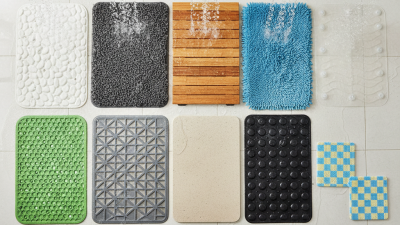
Choosing the right Bathroom Floor Mats can change how a bathroom feels and functions each day. A soft mat can protect bare feet from cold tiles, while a strong backing can reduce slipping near the shower. Yet appearance alone is not enough. Moisture, ventilation, cleaning habits, and floor texture all influence a mat’s performance.

A practical choice starts with observing the room. Is water regularly left beside the bathtub? Does the mat dry within a few hours, or remain damp overnight? Materials such as cotton, microfiber, bamboo, and rubber offer different benefits. Cotton feels comfortable but may need frequent washing. Microfiber dries quickly, although some products lose softness after repeated cleaning. Rubber can improve grip, but it may trap moisture beneath the mat on certain floors. Small details matter.

I once chose a thick, attractive mat that looked perfect in a showroom. It absorbed water well, but its heavy backing dried slowly in my poorly ventilated bathroom. That mistake made the selection process clearer. Size, edge stability, washability, absorbency, and resistance to mildew should be considered together. Manufacturer care instructions also deserve attention, especially for machine washing and heated floors. Independent reviews can help, but they should not replace checking the product’s construction in person. A dependable mat should feel stable, dry reasonably fast, and suit the people using the space. Comfort matters too. These seven practical tips will help connect safety, hygiene, durability, and everyday convenience without treating one feature as the complete answer.
7 Tips for Choosing Bathroom Floor Mats?

Assess Your Bathroom’s Moisture and Safety Needs

7 Tips for Choosing Bathroom Floor Mats

Assess Your Bathroom’s Moisture and Safety Needs

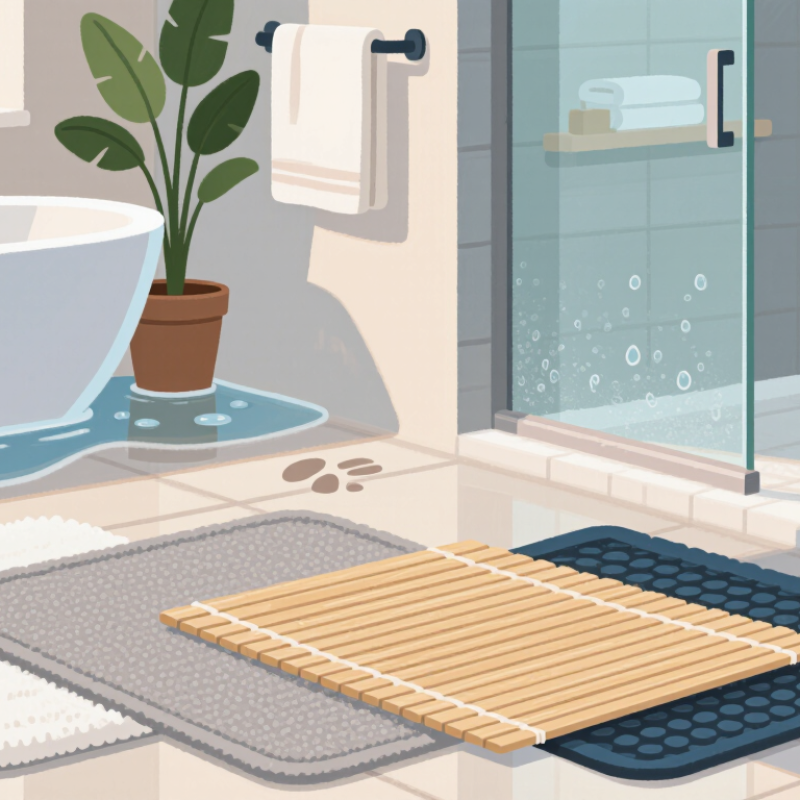
A bathroom mat should match the room’s actual moisture level, not its appearance. Check the floor after a normal shower. If water remains near the tub, choose a highly absorbent mat with a quick-drying surface. Thick materials may feel comfortable, but they can hold moisture for hours. That trapped dampness can create unpleasant odors and encourage surface growth.

Safety begins underneath. Select a mat with a stable, slip-resistant backing that suits your floor type. Test its edges by walking over them with dry feet. Curling corners are easy to ignore and easy to trip over. Place the mat where water lands, rather than beside the vanity simply because the space looks balanced. A larger mat may offer better coverage, but it should not block doors or cabinets.

Consider texture, washability, and ventilation. A low-pile surface is often easier to clean and less likely to stay wet. Choose a washable option, then follow its care instructions carefully. Let it dry fully between uses, preferably in moving air. I once underestimated how quickly a decorative mat could become damp underneath. It looked clean from above. It was not. Check both sides weekly, especially in bathrooms without windows or strong ventilation. A mat is only helpful when its condition matches the safety it promises.
7 Tips for Choosing Bathroom Floor Mats? - Assess Your Bathroom’s Moisture and Safety Needs

Tip Bathroom Factor to Assess Recommended Mat Features Practical Guidance
1. Match the Mat to Moisture Levels Frequent splashes, steam, and standing water around the shower or bathtub. Quick-drying fibers, breathable construction, and moisture-resistant materials. For humid bathrooms, avoid thick mats that remain damp for long periods because they can develop odors and mildew.
2. Prioritize Slip Resistance Smooth, wet flooring such as ceramic tile, porcelain tile, or polished stone. A securely gripping underside that is compatible with the floor surface. Check that the mat lies flat and does not slide, curl, or create a raised edge that could cause tripping.
3. Choose a Suitable Material Drying speed, softness, absorbency, and cleaning requirements. Cotton for softness and washability; microfiber for fast absorption and drying; bamboo or wood slats for airflow. Select a material based on whether comfort, rapid drying, or easy maintenance is the main priority.
4. Measure the Available Space Clearance around doors, cabinets, toilets, shower screens, and other fixtures. A properly sized mat that leaves doors and drawers unobstructed. Measure the floor area before buying. A mat that is too large may bunch up or interfere with a swinging door.
5. Consider Thickness and Stability User mobility, floor transitions, and the height of nearby doors. A low-profile, stable design with a flat perimeter. Low-profile mats are generally easier to walk over and less likely to catch under a door or create a trip hazard.
6. Check Cleaning and Care Needs How often the mat will be exposed to water, soap residue, hair, and bathroom dust. Machine-washable fabric, removable inserts, or a surface that can be wiped clean. Wash and dry fabric mats according to their care instructions, and allow them to dry fully before placing them back on the floor.
7. Inspect the Mat Regularly Worn backing, curled edges, persistent dampness, stains, odors, or visible mildew. A durable construction that remains flat and maintains its grip over time. Replace the mat when it no longer dries properly, stays securely in place, or can be cleaned effectively.
Safety reminder: Keep the bathroom floor and mat as dry as practical, and do not rely on a mat alone to prevent slips on a wet surface.

Choose Mats with Water-Resistant and Quick-Drying Materials

7 Tips for Choosing Bathroom Floor Mats

Choose Mats with Water-Resistant and Quick-Drying Materials

Tip 1: Check the fiber label before buying.

Polyester, microfiber, and tightly woven cotton can resist moisture and dry faster than thick, loose fabrics. After testing several mats at home, I noticed that a soft surface can still stay damp underneath. That hidden moisture may encourage unpleasant odors and floor staining. Look for a mat that feels absorbent but does not become heavy after one shower.

Tip 2: Examine the backing carefully.

A water-resistant backing helps protect tile and wood-look flooring from repeated splashes. However, fully waterproof backing is not always better. It can trap water between the mat and floor. I once left a rubber-backed mat in place for several days, and the floor felt clammy. Lift the mat daily, especially in a poorly ventilated bathroom.

Tip 3: Choose a low-profile, quick-drying design near the shower entrance.

Thick memory foam feels comfortable, but it may hold water longer. Press the mat by hand after use. If it remains wet hours later, the material may not suit your routine. A washable construction is useful, yet frequent washing can reduce softness over time. Check the care instructions and allow enough space for air circulation. Short drying time matters more than luxurious thickness.

Match Mat Size and Shape to Your Bathroom Layout

Bathroom floor mats should fit the room’s layout before they match its color. Measure the clear floor area around the sink, shower, toilet, and door. Measure twice. A mat that blocks the door swing can become a daily annoyance and a tripping hazard. Leave enough clearance for the door to open fully, especially in a compact bathroom.

A rectangular mat usually works well in front of a single vanity. Choose a length that follows the cabinet without extending awkwardly beyond its edges. In a narrow bathroom, a slim runner can connect the sink and shower while preserving walking space.

For a double vanity, one longer mat may look balanced, but two smaller mats can be easier to wash and reposition. I once chose a wide mat for a tight guest bathroom, and the room felt smaller immediately. The mistake was obvious after installation.

Match the mat shape to the bathroom’s functional zones. A contoured mat can sit neatly around a pedestal sink or toilet base, while a square mat suits open floor areas. Avoid forcing a round mat into a narrow passage; its curves may waste useful floor space.

Place a small mat outside the shower, but check that it does not overlap another mat. Use paper or cardboard to test the outline before buying.

This simple step reveals blocked doors, crowded corners, and uneven spacing. A low-profile, quick-drying design is usually more practical near wet areas. Keep it simple.

Compare Comfort, Grip, Durability, and Maintenance

7 Tips for Choosing Bathroom Floor Mats

A good bathroom mat should feel comfortable under bare feet, but softness is only one measure. I prefer dense microfiber or cotton with enough thickness to cushion the heel. Very plush mats can hold water and dry slowly. That becomes unpleasant in humid rooms. Check the mat after a normal shower. Does it still feel damp hours later? A lighter weave may be less luxurious, but it often dries faster.

Grip matters near sinks, tubs, and showers. Look for a stable backing that stays flat on clean, dry flooring. Avoid placing any mat over dust, hair, or spilled lotion. Even strong backing can slide on a dirty surface. Test the edges with your foot. Curling corners are a warning. I once bought a thick mat with excellent comfort, yet its backing shifted after several washes. It looked safe, but it was not. That mistake changed my buying habits.

Durability depends on stitching, fiber quality, and washing care. Tug gently at the edge and inspect loose threads. A washable mat is practical, especially in busy homes. Follow the care label, and avoid excessive heat when the backing may crack. Hang the mat fully between uses. Do not assume “machine washable” means maintenance-free. Some mats need regular shaking, mild detergent, and occasional air drying. Compare the purchase price with the time needed to keep it fresh.

7 Tips for Choosing Bathroom Floor Mats: Compare Comfort, Grip, Durability, and Maintenance

This comparison uses a 1–5 scale based on typical material characteristics. Higher scores indicate greater comfort, grip, absorbency, drying speed, durability, machine-washability, or easier cleaning. Actual performance can vary with construction, backing, ventilation, and use.

Select a Style That Complements Your Bathroom Decor

A bathroom floor mat should support your decor, not compete with it. Begin by studying the room’s fixed colors, such as tile, walls, cabinets, and metal fixtures. Choose one shade already present for a connected appearance. Soft beige can warm cool white tile, while muted blue can echo a painted vanity. Keep strong patterns limited when the shower curtain or wall already attracts attention.

Texture also changes the room’s mood. A thick woven mat feels relaxed and comfortable beside natural wood. A low-pile design looks cleaner in a modern bathroom and dries more quickly after use. I once chose a fluffy mat for a small bathroom, and it made the floor appear crowded. That mistake taught me to compare the mat’s height with nearby surfaces, not only its color.

Measure the open floor before shopping. The mat should frame the sink or shower without blocking doors, drawers, or vents. Rounded shapes can soften a room filled with sharp cabinets. Rectangular mats often suit long vanities and narrow layouts. Check the backing carefully, since a stable, water-resistant underside helps reduce movement on smooth tile. Washability matters too; follow the care label and allow the mat to dry fully. I still rethink bold patterns after installation, because bathroom lighting can make colors look stronger than expected.