China Best Bathtub Carpet Manufacturers for Global Buyers?
Global buyers evaluating China’s bathtub textile sector need more than attractive product photos. A dependable Bathtub Carpet should feel comfortable underfoot, stay in place on a wet surface, and tolerate repeated washing. Those details matter. A plush surface can look inviting in a showroom, yet perform poorly if its backing curls or its fibers hold moisture.
This guide examines Chinese manufacturers through practical sourcing questions: material specifications, pile density, backing construction, color consistency, customization options, sampling, and production quality checks. Buyers should request clear product data and test samples in realistic bathroom conditions. Check how quickly the carpet dries after use. Inspect the edges after washing. Small flaws can become costly when an order contains thousands of pieces. No shortcut here.
A verified expert quotation would add useful authority, but no source articles or attributable statement were provided for this request. Rather than invent a name or quotation, this introduction focuses on assessable product factors. The guide also recognizes an imperfect reality: factory capabilities and inspection practices can vary, even among suppliers with polished catalogs. Buyers should confirm claims directly and document agreed specifications before placing large orders. A careful comparison can reveal which manufacturers offer consistent quality, reliable communication, and products suited to different markets.
Bathtub Carpets: Product Types, Uses, and Market Scope
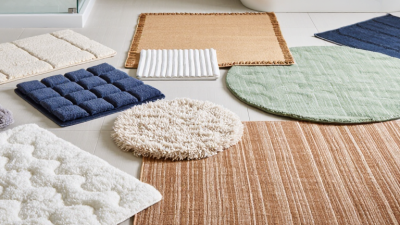
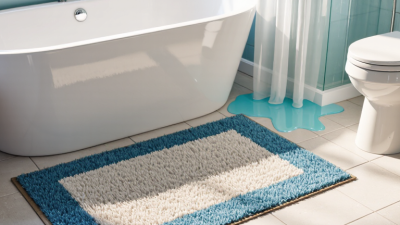
Bathtub carpets cover several products, not one standard design. Some are absorbent fabric mats placed beside the tub, where they catch drips and feel soft underfoot. Others sit inside the tub, using textured surfaces or suction cups to reduce sliding. Common materials include microfiber, cotton, PVC, and rubber blends. Each has trade-offs. Fabric absorbs water but needs regular washing and drying; rubber styles resist water but can trap residue underneath. Check the product’s intended location before buying. Not every bath mat belongs inside a bathtub.
The market serves households, hotels, rental properties, and care facilities, with demand shaped by comfort, safety, appearance, and maintenance needs. Buyers often compare size, backing grip, drainage, washability, and packaging options. A 40-by-60-centimeter mat may suit a compact bathroom, while wider tubs need more coverage. Small details matter. For bulk orders, sample testing can reveal whether colors bleed, edges curl, or suction cups hold on the buyer’s tub surface. Claims about slip resistance should be supported by clear test information, since performance changes with surface texture and cleaning habits. The category sounds simple, but choosing well takes more than matching a color.
Bathtub Carpets: Common Sizes and Product Scope
Typical retail bath-rug formats range from compact mats to long runners. Bar lengths show calculated surface area based on the listed dimensions; they do not represent sales or market share.
Common uses include stepping out of the bath or shower, placing beside a tub, and covering longer bathroom walkways. Product dimensions and availability vary by retailer and market.
Materials and Manufacturing Processes Used in China
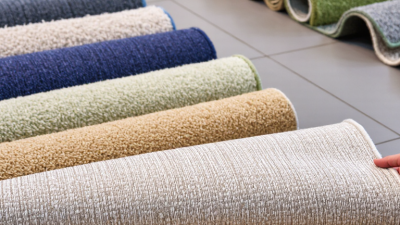
China’s bathtub carpets commonly use polyester microfiber, cotton, or blended yarns. Microfiber dries relatively quickly and feels soft underfoot, while cotton absorbs water well but may take longer to dry. Some products use PVC mesh or TPR for a non-slip backing. The right choice depends on the bathroom floor, washing habits, and how often the mat gets wet. Small details matter.
Production can begin with yarn dyeing, followed by tufting, knitting, or weaving the surface. Cut-pile construction creates a plush feel; loop pile is often easier to clean. Factories then attach a backing by coating or lamination, trim the edges, and inspect dimensions and adhesion. A loose edge or uneven backing can shorten a mat’s useful life.
Quality checks may include absorbency, wash durability, colorfastness, and backing grip on a damp tile sample. Results can vary with test conditions, so buyers should ask how samples were evaluated. A strong grip in one test does not guarantee the same performance on every floor. Materials also involve trade-offs, and a thicker carpet is not automatically the better option.
How Chinese Bathtub Carpet Manufacturers Are Evaluated
Chinese bathtub carpet manufacturers should be evaluated on measurable performance, not polished samples alone. Buyers can request fiber composition, pile height, backing material, and care instructions for each model. Then test samples on wet ceramic tile: check movement, edge curling, water absorption, and drying time. A lab result still cannot reproduce every bathroom floor. That limitation deserves attention.
Safety and sourcing records add useful context. The World Health Organization’s 2021 Falls fact sheet reports about 684,000 fatal falls worldwide each year; it does not attribute these falls to bath mats, but highlights why wet-area grip matters. Buyers should ask for documented slip-resistance methods and repeat tests after laundering.
Textile Exchange’s Materials Market Report 2024 estimates global fiber production at 124 million tonnes in 2023. This figure is not specific to bath textiles, but makes material traceability worth checking.
Factory evaluation should include batch consistency, inspection records, and clear responses to defects. Compare several production samples, not just one showroom piece. Ask how colorfastness, shedding, seam strength, and backing adhesion are checked, and request dated test reports with methods and results.
A supplier may pass an initial review yet vary between batches. That happens. Independent testing can help verify claims, especially when test conditions match the intended use and care routine.
Product Standards, Customization, and Export Requirements
For global buyers, bathtub carpets should be assessed by more than color and softness. Ask suppliers for fiber composition, pile-height details, and backing specifications. Request test reports relevant to your destination market, including colorfastness, dimensional stability, and slip performance. Requirements can differ by country and product category, so confirm them before placing a large order. Details matter.
Customization is practical when it is documented clearly. Agree on dimensions, edge finishing, colors, and backing material in a written specification. A pre-production sample can reveal whether the carpet feels too thin or the colors shift under bathroom lighting. Check that the sample matches the approved measurements. Even careful sampling has limits; production batches may vary slightly, so define acceptable tolerances.
Export preparation deserves the same attention as product design. Confirm carton counts, gross weight, shipping marks, and packaging suited to humid conditions. Buyers commonly need a commercial invoice and packing list; other documents, such as origin certificates, depend on the shipment and destination. Verify labeling and import requirements with a qualified local adviser or freight partner. A missing detail can delay delivery. It is easy to overlook carton measurements until freight is booked, and that mistake can increase costs. Keep final specifications, inspection records, and shipment documents together for smoother repeat orders.
Supplier Selection, Quality Checks, and Global Shipping
China Best Bathtub Carpet Manufacturers for Global Buyers?
Supplier selection, quality checks, and global shipping
Choosing a Chinese bathtub carpet supplier takes more than comparing unit prices. Ask for material specifications, production capacity, packaging details, and recent test reports. A clear answer matters. Request a pre-production sample and check its edge binding, pile density, backing, and smell. Then wash it according to the intended care instructions. ISO 6330 describes domestic washing and drying procedures; it can help buyers define repeatable checks. For color transfer, ask about testing against ISO 105-X12. A sample can still flatter. Test more than one piece when possible.
Shipping plans need equal attention. UNCTAD’s Review of Maritime Transport 2024 reports that global maritime trade grew 2.4% in 2023, after contracting in 2022. That changing flow makes lead-time promises worth verifying. Confirm carton dimensions, gross weight, loading method, and the shipping term in writing. For bulky orders, compare the quoted freight with a forwarder’s estimate. Check whether cartons protect carpet edges from moisture and crushing. Keep batch numbers linked to inspection records. Small detail, big difference. I would also leave schedule buffer: port delays and uneven production can upset a tidy plan, and no supplier questionnaire removes that risk.