SIMPLE, TRUST, INTROSPECTION MIND, DO 101 POINTS.

Leave Your Message

Top 10 Bathroom Rugs for Global Buyers to Consider?

Choosing the right Bathroom Rug is not merely a style decision. It affects comfort, drying performance, floor protection, and everyday safety.

Global buyers face different bathroom conditions. A humid coastal home may need fast-drying microfiber. A cold bathroom may benefit from thicker cotton or memory foam. Small apartments often require compact rugs with washable construction. These differences make one universal ranking unrealistic. That limitation matters.

Market evidence supports a careful comparison. Grand View Research’s Home Textile Market analysis highlights continuing demand for functional, decorative household textiles. Fortune Business Insights also identifies hygiene, convenience, and home improvement as important influences across related bathroom product markets. These reports describe broad market direction, not the performance of every individual rug. Product-level testing remains essential.

Safety deserves close attention. The U.S. Consumer Product Safety Commission consistently emphasizes safer household environments and fall prevention. A rug’s backing, edge stability, moisture resistance, and cleaning instructions should therefore receive serious review. Look for secure placement beside showers, bathtubs, and sinks. Check whether the backing suits tile, vinyl, stone, or wood flooring.

Material claims need scrutiny. “Quick-dry” can mean different things across suppliers. Certifications may also vary by country and testing organization. Buyers should verify fiber composition, dye safety documentation, packaging standards, and care instructions before placing large orders. Small details matter.

This guide compares ten Bathroom Rug options for global buyers. It considers absorbency, softness, drying speed, construction, maintenance, appearance, and purchasing value. Some choices may look excellent but perform poorly in humid conditions. Others may cost more while lasting longer. Real bathrooms are messy. A practical decision should acknowledge that.
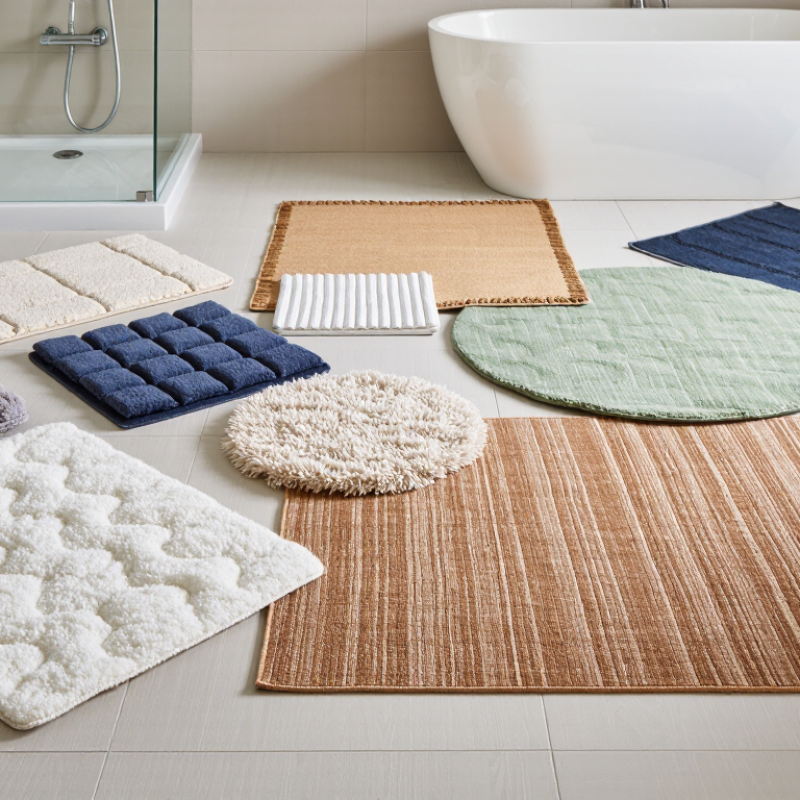
Top 10 Bathroom Rugs for Global Buyers to Consider?

What Makes a Bathroom Rug Suitable for Global Buyers?

A bathroom rug suitable for global buyers must perform well across different climates, floor types, and household routines. Absorbency matters, especially after a child steps from a wet shower. However, a thick rug may dry slowly in humid regions. Quick-drying fibers can reduce odors and daily maintenance. No rug is perfect.

Safety deserves close attention. A reliable rug should have a stable backing that grips smooth tile without leaving excessive residue. The edges should remain flat after repeated washing. This detail is easy to overlook. Buyers should also check whether the rug fits local washing machines, because oversized designs may require commercial cleaning. A medium size often offers a practical balance between coverage and convenience.

Material selection should match real use, not just appearance. Cotton can feel soft under bare feet, while synthetic fibers often resist moisture and dry faster. Recycled materials may support sustainability goals, but their durability still needs inspection. Look for clear care instructions, colorfast testing, and documented quality checks from the supplier. These details help buyers compare products honestly across markets. Packaging should protect the rug from moisture during long-distance shipping. It should also provide measurements in familiar units. I would test a sample for slipping, shedding, odor, and drying time before placing a large order. Small tests reveal problems that polished photos cannot show.
Key Factors for Comparing Bathroom Rug Quality and Performance

Top 10 Bathroom Rugs for Global Buyers to Consider?

Key Factors for Comparing Bathroom Rug Quality and Performance

A good bathroom rug should manage water, dry quickly, and remain stable underfoot. During product evaluations, I check the fiber density, edge stitching, and backing quality. Cotton and microfiber often absorb water well, while thicker piles may feel warmer. However, thick rugs can dry slowly in humid rooms. A rug that feels luxurious may become impractical after repeated washing. I also inspect whether the surface sheds fibers after several cleaning cycles.

Size matters more than many buyers expect. The rug should fit beside the shower without blocking doors or drawers. A low-profile design usually works better near bathroom entrances. The backing should grip smooth tiles, but it must not leave sticky marks. Buyers should also review washing instructions, colorfastness, and drying requirements. These details affect long-term value across different climates and household routines.

Tips: Press the rug after washing. If it remains damp for hours, choose a lighter construction. Check the corners on a clean, dry floor. Curling edges may create a tripping risk. Compare absorbency with drying speed, not softness alone. My own comparisons are not flawless; room ventilation can change performance significantly. When possible, test one sample through several washes before placing a larger order.

Top 10 Bathroom Rugs by Material, Design, and Practical Use

Choosing the right bathroom rug depends on material, design, and daily use.

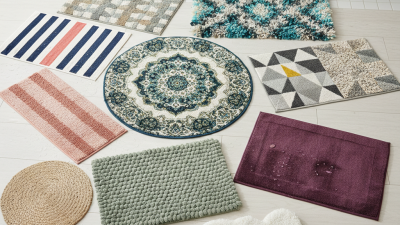
Cotton rugs feel soft and absorb water quickly. Microfiber dries faster and traps less moisture. Chenille offers a plush surface under bare feet.

Memory foam provides cushioning, but it may retain dampness without strong ventilation. Wool feels warm and durable, although it needs gentler care. Polyester resists fading and suits busy family bathrooms.

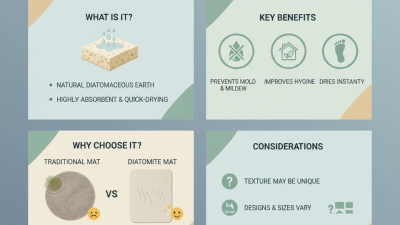
Bamboo and teak slat mats create a clean, spa-like appearance. They work best on well-drained floors. However, wooden mats can feel firm and become slippery when wet. Diatomaceous earth mats absorb moisture rapidly and dry quickly. Their hard surface may disappoint users seeking comfort. Nylon rugs offer strong wear resistance and easy cleaning. A washable cotton blend remains a practical choice for guest bathrooms.

Design also affects safety and maintenance. Low-pile rugs fit beneath doors more easily. Textured surfaces can improve underfoot grip. A latex-free, non-slip backing may suit buyers with material sensitivities.

Always check whether the backing matches tile, stone, or vinyl flooring. In humid regions, quick-drying construction matters more than decorative thickness. In colder homes, warmth may matter more.

No rug wins every bathroom.

I would still test colorfastness and drying time before bulk purchasing. Some product descriptions exaggerate absorbency. Clear care labels, reliable measurements, and washing instructions deserve close attention. A beautiful rug is less useful if it curls, slides, or stays wet overnight.

How to Choose the Right Bathroom Rug for Different Needs

Choosing the right bathroom rug starts with the room’s actual conditions, not just its color.

In a humid bathroom, a quick-drying cotton or microfiber rug can reduce lingering dampness. Bathrooms with weak ventilation need extra care. Thick, slow-drying pile may feel soft but hold moisture for hours.

Check the care label and measure the floor space around the shower, sink, and toilet. A rug that blocks the door is not practical.

Safety should guide the backing choice. Look for a stable, slip-resistant underside, especially in homes with children, older adults, or smooth ceramic tiles.

However, no backing stays reliable on every wet surface. I once chose a rug that seemed secure in a showroom, yet it shifted on my polished floor. That experience taught me to test movement at home. Place the rug flat and check its edges after several steps.

Different users also need different textures and sizes.

Bare feet may prefer a cushioned surface, while frequent washing favors a thinner, machine-washable design. In colder regions, a denser rug can make morning routines more comfortable.

In warm, damp climates, breathability matters more than extra thickness. Light colors show stains quickly, while dark colors can reveal soap residue.

I still find this easy to underestimate. Wash the rug regularly, dry it completely, and replace it when the backing cracks or the fibers remain damp.

Care, Safety, and Maintenance Considerations for Bathroom Rugs

For global buyers, a bathroom rug should be judged by more than softness. The World Health Organization reports about 684,000 fatal falls worldwide each year. Older adults face the greatest risk. A small rug can become a trip hazard when corners curl or backing slides on wet tile. Choose a low-profile edge, stable dimensions, and backing tested for the intended floor. “Non-slip” is not a universal guarantee. Soap, water, and floor finish can change performance.

Moisture control matters after every shower. The U.S. Environmental Protection Agency recommends indoor humidity between 30% and 50% to reduce condensation and mold growth. Hang the rug over a ventilated rail, not a closed door. Let both surfaces dry fully. Wash according to the care label, rinse away detergent, and dry completely. A rug may smell clean but remain damp inside. That detail is easy to miss.

Inspection should be routine. Check seams, pile compression, odor, and backing every week in busy bathrooms. Replace the rug when it stays curled, cracks, or loses grip after washing. U.S. Consumer Product Safety Commission injury surveillance identifies falls as a recurring bathroom hazard, although rug-specific risks vary. Buyers should request fiber content, washing limits, colorfastness guidance, and slip-testing information. I would also test a sample at home. Laboratory claims may not match textured stone or uneven grout. Good maintenance helps, but it is never perfect.