SIMPLE, TRUST, INTROSPECTION MIND, DO 101 POINTS.

Leave Your Message
A shower mat may look like a small bathroom accessory, but its surface, grip, and drainage can affect everyday comfort. The World Health Organization reports that falls cause about 684,000 deaths worldwide each year, while millions more require medical attention. Those figures cover falls broadly, not shower-related incidents alone. Still, they help explain why wet, hard surfaces deserve attention. A mat is not a guarantee against slipping. Poor fit, soap residue, or worn suction cups can undermine its usefulness.
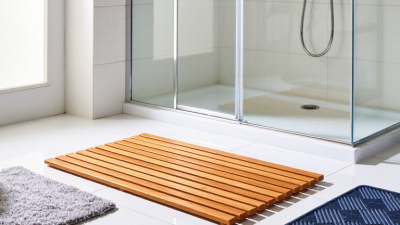
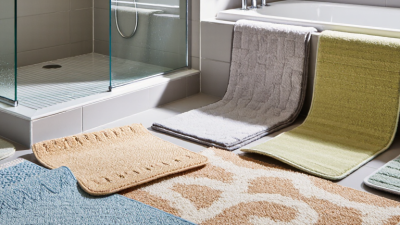
This guide explains what a shower mat is and compares common options. Inside the shower, shoppers may find rubber or PVC mats with suction cups, textured non-slip surfaces, or drainage holes. Outside the shower, absorbent fabric mats help catch drips, while teak slats offer a firmer, raised surface. Some products combine features, but no material suits every bathroom. A suction-backed mat may work poorly on textured tile; a plush bath mat may stay damp if it lacks airflow. Small details matter.
We’ll look at how these types differ in grip, drying time, cleaning, and comfort, along with practical checks for choosing one. The phrase “Showers Mat” sometimes appears in product searches, but the key question is simpler: where will the mat sit, and what surface will it grip? Check the floor, measure the available space, and follow the manufacturer’s care instructions. Then inspect it regularly. That step is easy to forget.
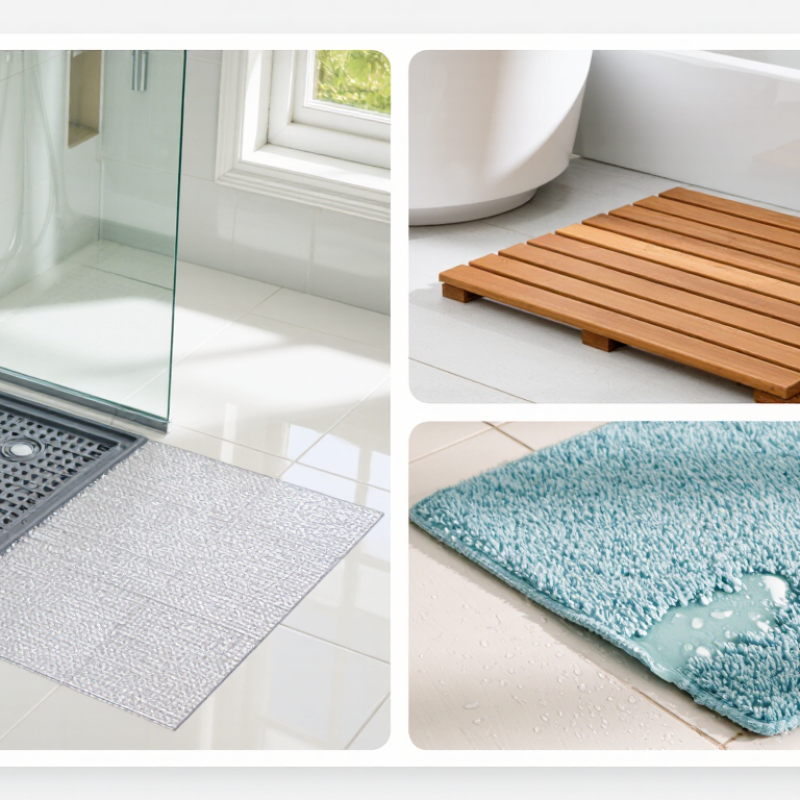
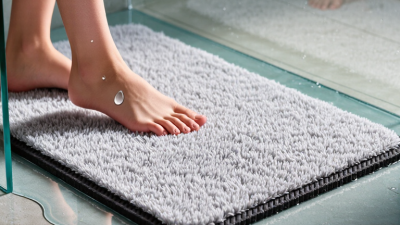
A shower mat is a textured, water-resistant surface placed on the shower floor. Its main purpose is to provide a steadier footing on wet, soapy tiles. Some mats use suction cups to stay in place, while others rely on a weighted or non-slip backing. Materials commonly include rubber, silicone, and quick-drying synthetic fabric. The right choice depends on the shower surface, drainage, and how the mat will be cleaned.
A mat can help reduce slips, but it is not a guarantee of safety. Check that it lies flat and does not cover the drain. A mat that curls at the edges or shifts underfoot may create a new tripping hazard. Rinse it after use and let it dry fully; trapped moisture can encourage mildew. Even a clean-looking mat needs regular inspection. Texture and fit matter more than appearance.
Tips: Before buying, measure the shower floor and check whether suction cups suit its finish. Test the mat gently before stepping onto it. If it moves, remove it and reassess. This small check is easy to forget.
A shower mat is a surface placed in or around a shower to improve footing, provide comfort, or help manage water. Mats designed for use inside a shower should be made for wet conditions and should fit the shower floor without obstructing drainage.
| Type | Typical Material or Design | Main Purpose and Features | Best Suited For | Care and Practical Considerations |
|---|---|---|---|---|
| Suction-cup shower mat | Flexible plastic or rubber, often with suction cups underneath | Helps limit movement on a smooth shower surface; textured top surfaces can provide a more secure-feeling footing. | Smooth, nonporous shower floors such as acrylic or certain tiled surfaces | Press the cups onto a clean, wet-suitable surface. Suction cups may not hold well on textured, uneven, or porous floors. Lift and clean the mat regularly. |
| Textured non-slip mat | Rubber or flexible plastic with a raised or patterned surface; may have no suction cups | Adds surface texture underfoot and may allow water to pass through drainage openings. | Showers where a loose mat is appropriate and the floor is compatible with its grip design | Check that the mat stays in place during use. Rinse and dry it regularly, and follow the care instructions for the material. |
| Rubber shower mat | Natural or synthetic rubber, sometimes with a textured top and suction-cup backing | Offers a flexible, cushioned surface and is commonly made for wet bathroom conditions. | Users seeking a soft, flexible mat for a compatible shower floor | Rubber formulations vary. Check the product instructions for cleaning, drying, and surface compatibility; replace a mat if it becomes damaged or loses grip. |
| Wooden slatted shower mat | Water-resistant wood, commonly arranged as slats with spaces beneath | Elevates the standing surface so water can drain between the slats; offers a firm, natural-feeling alternative to flexible mats. | Showers with adequate drainage and space for a raised mat designed for wet use | Allow it to dry between uses and clean it as directed. Ensure it sits level and does not rock or block the drain. |
| Textile bath mat | Absorbent fabric, often with a backing intended to help limit slipping | Absorbs water and adds comfort after stepping out of the shower; it is generally intended for the bathroom floor, not inside the shower. | The area outside the shower or bathtub | Keep it out of the shower unless the manufacturer specifically identifies it as suitable for shower-floor use. Wash and dry it regularly according to its care label. |
| Stone-style absorbent mat | Porous mineral-based board or similar quick-drying material | Absorbs water from wet feet after bathing and is usually designed for use outside the shower. | A dry, level bathroom floor near the shower | Do not use it inside the shower unless it is explicitly designed for that purpose. Follow instructions for cleaning, drying, and protecting the floor beneath it. |
Choosing tip: Match the mat to the surface and intended location. A mat’s material or appearance alone does not guarantee slip resistance; follow its instructions, keep the floor and mat clean, and check that water can drain freely.