SIMPLE, TRUST, INTROSPECTION MIND, DO 101 POINTS.

Leave Your Message

How to Choose the Best Shower Mats for Bulk Buying?

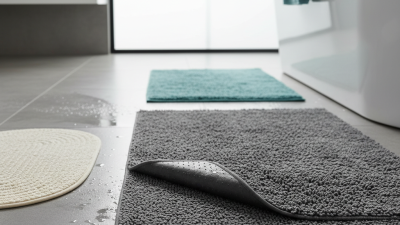
Choosing the best Showers Mat for bulk buying is not simply a price comparison. Large orders affect safety, storage, cleaning, packaging, and customer satisfaction. A mat that looks attractive in a sample room may curl after repeated washing. It may also slide on wet tile, trap water underneath, or develop an unpleasant smell.

Laura Mitchell, a veteran bathroom-products sourcing consultant, explains, “Bulk buyers should test real performance before trusting a low unit price.” Her point is practical. Request samples from several suppliers. Place them on smooth, textured, and slightly uneven floors. Check grip after ten minutes of standing water. Bend each mat repeatedly. Inspect the drainage holes, backing, edges, and surface texture. Small defects become expensive when multiplied across hundreds of cartons.

Material choice deserves careful attention. PVC may offer affordability and flexible colors, while rubber can provide stronger traction and a heavier feel. Microfiber dries quickly, but it may require more frequent washing. Natural materials can look premium, although they sometimes need stricter moisture control. There is no perfect option.

Think beyond the first shipment. Ask about carton dimensions, replacement rates, lead times, private labeling, and quality inspections. Confirm whether the supplier can maintain the same color and thickness across repeat orders. One overlooked detail can disrupt an entire retail launch.

This guide examines the key buying decisions. It also questions common assumptions, because the cheapest Showers Mat is rarely the least expensive choice. Performance must survive real bathrooms, not just product photographs.
How to Choose the Best Shower Mats for Bulk Buying?

Define Your Bulk Buying Needs and Shower Mat Requirements

How to Choose the Best Shower Mats for Bulk Buying?

Define your purchasing needs before comparing shower mats. Estimate the number of bathrooms, replacement cycles, and expected monthly usage. A small guesthouse may need fewer mats but faster turnover. A residential project may require consistent sizes for every unit. Measure each shower area carefully. Even a two-centimeter mistake can create awkward edges or poor coverage.

Then set clear product requirements. Choose absorbent fibers that dry reasonably quickly between uses. Check whether the backing grips smooth tile without leaving a sticky residue. Inspect stitching, edge binding, and surface density. These details often reveal durability better than attractive product photos. Request samples and test them after several washing cycles. Check shrinkage, color stability, drying time, and backing performance. I once focused too heavily on softness and overlooked slow drying. That decision caused extra maintenance.

Bulk orders also need practical specifications. Confirm carton dimensions, packing quantities, labeling, and delivery schedules with the supplier. Ask for consistent dimensions across production batches. Keep one approved sample for comparison during later shipments. A lower unit price can become expensive when damaged packaging or uneven quality creates replacements. Consider storage space as well. Damp warehouses can affect textile condition before installation. Record inspection results, even for small orders. The process may feel excessive. It prevents avoidable surprises.

Compare Shower Mat Materials, Safety Features, and Durability

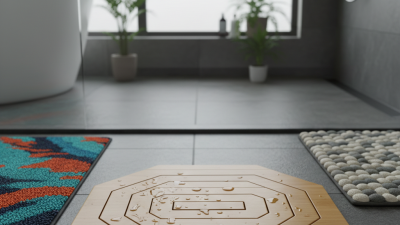
When buying shower mats in bulk, material choice should match the space, cleaning routine, and expected foot traffic. Natural rubber offers strong grip and remains flexible in damp rooms. PVC mats usually cost less and dry quickly, but some become brittle after repeated exposure to heat. Teak provides a warm, firm surface, although it needs airflow and regular cleaning to resist mildew. Soft foam feels comfortable underfoot, yet it may compress sooner in busy facilities. Grip matters most. Look for raised textures, stable drainage holes, and a backing that stays flat on smooth floors.

Safety features need practical testing, not attractive product claims. Place a sample on wet tile, then press and twist it with a wet shoe. Check whether the edges curl or the mat shifts. Rounded corners can reduce tripping, while drainage channels help prevent a thin film of water beneath the surface. For bulk orders, compare samples from different production batches. Measure thickness, backing coverage, odor, and drying time. A strong rubber smell may fade, but it should not be ignored. Durability also depends on washing methods and storage. I once preferred a thicker mat, but its slow drying created more maintenance work. That mistake changed my purchasing checklist. Buy a small trial quantity first, inspect it after several weeks, and record cleaning results before ordering the full shipment.

How to Choose the Best Shower Mats for Bulk Buying? - Compare Shower Mat Materials, Safety Features, and Durability

Material Water Absorption & Drying Slip-Resistance Potential Comfort & Warmth Typical Durability Cleaning & Maintenance Bulk-Buying Suitability Main Buying Consideration
PVC or Vinyl Very low absorption; dries quickly when drainage holes are open. Good when fitted with textured surfaces and suction cups; smooth PVC can become slippery. Moderate cushioning; can feel less warm in cold bathrooms. Approximately 1–3 years under regular household use; may crack or discolor with harsh chemicals and sunlight. Rinse regularly and clean with mild soap; avoid abrasive cleaners and chlorine overuse. High; lightweight, stackable, economical, and suitable for large-volume orders. Check plasticizer compliance, odor, drainage-hole layout, and suction-cup performance.
Natural Rubber Low absorption; requires ventilation after use to reduce mildew risk. Very good grip because of rubber friction and flexible suction cups. Good cushioning and warmer underfoot than many rigid plastics. Approximately 2–5 years with proper care; can degrade from ozone, oils, and prolonged sunlight. Wash with mild detergent, rinse thoroughly, and hang or air-dry periodically. High for premium or hospitality programs; slightly higher material and freight cost than PVC. Confirm latex disclosure, odor limits, color consistency, and resistance to bathroom cleaners.
TPR or Synthetic Rubber Very low absorption; generally dries rapidly with adequate ventilation. Very good when molded with raised textures, drainage channels, and a stable backing. Good resilience and cushioning; usually more consistent than natural rubber. Approximately 2–5 years; resistance depends on formulation, thickness, and cleaning exposure. Easy to rinse and wipe; inspect edges and backing for wear during routine cleaning. Very high; supports consistent color, dimensions, and repeat production at scale. Request material specifications, migration testing where required, and batch-to-batch quality control.
Diatomite or Mineral Composite Highly absorbent and fast-drying; porous surfaces can retain stains if not maintained. Good on a dry, level floor; performance declines if powder, soap, or standing water accumulates beneath it. Firm and cool rather than soft; offers little cushioning. Approximately 1–3 years; may chip or crack if dropped or exposed to uneven flooring. Brush or lightly sand the surface when absorption slows; keep dry between uses and avoid soaking. Medium; attractive and fast-drying, but heavier, more fragile, and more demanding to package. Use protective packaging and verify edge strength, flatness, surface absorption, and breakage rate.
Microfiber or Polyester Fabric High absorption; drying time ranges from several hours to overnight depending on ventilation. Good when paired with a non-slip backing; wet fabric alone does not prevent movement. Very soft, warm, and comfortable underfoot. Approximately 1–3 years; frequent washing may weaken fibers or backing. Machine-washable designs are convenient; dry completely to reduce odor and mildew. High; folds easily, has low shipping volume, and suits retail or hospitality replenishment. Check colorfastness, wash-cycle performance, backing adhesion, and drying instructions.
Cotton or Cotton Blend High absorption; usually slower to dry than synthetic microfiber. Moderate with a secure backing; fabric surface alone offers limited wet-floor protection. Soft, warm, and comfortable. Approximately 1–3 years; shrinkage, fading, and backing wear are possible after repeated washing. Machine washable; must be dried fully and washed frequently in high-moisture settings. High for washable programs; easy to fold and consolidate for shipment. Confirm shrinkage percentage, pile density, wash durability, and latex or PVC backing details.
Bamboo or Wood Slat Low absorption when sealed; must be ventilated to prevent swelling and mold. Moderate to good with slatted construction and rubber feet; can become hazardous if wet and poorly supported. Firm and naturally warm-looking, but not cushioned. Approximately 2–5 years indoors with proper sealing and ventilation. Wipe clean, avoid prolonged soaking, and inspect coating, joints, and feet regularly. Medium; suitable for design-focused ranges but requires stronger packaging and moisture protection. Verify wood treatment, moisture resistance, load stability, splinter control, and packaging strength.
Bulk-Buying Checklist
  • Prioritize drainage, a stable non-slip backing, and a surface that remains secure on wet floors.
  • Request samples from multiple production batches before approving a large order.
  • Check dimensions, thickness, odor, colorfastness, backing adhesion, packaging strength, and carton drop performance.
  • For institutional or hospitality use, confirm cleaning compatibility and replace mats showing cracks, curling, damaged backing, or persistent mildew.

Note: Service-life figures are typical estimates for indoor residential or light commercial use. Actual performance varies with water exposure, ventilation, cleaning chemicals, floor condition, traffic, and product construction.

Evaluate Sizes, Designs, and Compatibility for Different Bathrooms

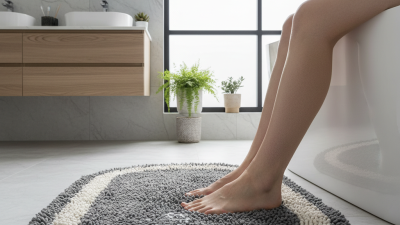
Choosing shower mats in bulk requires more than comparing unit prices. Measure each bathroom’s usable floor area, not only the shower tray. Leave clearance for doors, cabinets, and drainage. A 50-by-80-centimeter mat may suit a compact ensuite, while a longer runner fits a family bathroom better. Grand View Research estimates the global bath mat market will grow at roughly 5% annually through 2030, reflecting demand for varied household formats. That growth does not make every size practical.

Design must match real bathroom conditions. For smooth tile, select mats with evenly distributed, water-resistant backing and strong grip. Avoid designs that trap water beneath the mat. In humid rooms, quick-drying microfiber or perforated rubber can reduce lingering moisture. The Centers for Disease Control and Prevention reports that more than 800,000 people are hospitalized annually in the United States because of falls. Slip resistance deserves serious attention. Yet, appearance still matters. Neutral colors often serve multiple properties, though this assumption can fail in hospitality projects with stronger visual themes.

Tips: Create a bathroom matrix before ordering. Record floor dimensions, tile type, drainage, door swing, and cleaning routines. Request samples from each production batch. Check edge curling after washing, backing adhesion, odor, and color transfer. Include a few replacement units. Bulk savings disappear quickly when sizes are wrong or mats cannot dry between uses. A small trial is wiser. Consider independent slip-resistance testing, but remember that test results may not represent every wet floor, cleaner, or installation condition.

Assess Suppliers, Pricing, Quality Control, and Customization Options

For bulk shower mats, supplier assessment should begin with evidence, not attractive photographs. Request factory audits, production capacity, export history, and two recent buyer references. A 2024 Grand View Research market analysis identifies material performance and distribution efficiency as major purchase factors in the bath-mat sector. Ask whether the supplier tests rubber backing, pile density, colorfastness, and drying speed. A sample should lie flat on a wet tile, without curling edges or a strong chemical odor.

Pricing needs a complete cost model. Compare the unit quotation with packaging, inspection, tooling, freight, and defect allowances. The International Trade Centre reports that shipping costs can significantly change landed prices for low-value consumer goods. Request prices at several volumes, such as 500, 2,000, and 10,000 pieces. Cheap is not always economical. I once underestimated carton volume; freight erased the apparent saving.

Quality control should include written tolerances. Specify dimensions, weight, backing thickness, stitching, absorbency, and acceptable defect rates. The American Society for Quality notes that prevention-based quality systems reduce correction costs compared with relying only on final inspection. Use pre-production approval, midline checks, and independent pre-shipment inspection. Keep sealed reference samples.

Customization can cover dimensions, colors, labels, packaging, and recycled fibers. Textile Exchange’s 2024 Materials Market Report shows recycled polyester reached 12% of global polyester production in 2023, but traceability remains uneven. Ask for material certificates and batch records. Custom artwork also needs clear color standards. Small details matter. Avoid approving everything by email alone.

Review Packaging, Shipping, Storage, and Long-Term Value

When I assess shower mats for bulk purchase, I inspect the carton before checking the pattern. Each mat should be folded without sharp creases, sealed against dust, and separated with a moisture barrier. A crushed box often signals hidden damage. It may not. Still, I record it. Ask suppliers for packed dimensions, carton weight, and pallet limits. These details affect freight quotes, unloading time, and storage space.

During shipping, mats can absorb moisture, develop odors, or lose their shape. A sample carton should travel through the same route as the full order. Check it after several days. I also examine labels, inner bags, and carton seals. Clear product information helps warehouse staff avoid careless handling. Storage matters just as much. Keep cartons off the floor, away from heaters, and in a dry, ventilated area. Rotate older stock first. I once stored mats beside an exterior wall; the packaging looked fine, but several backings softened. That mistake changed my inspection routine.

Long-term value depends on more than the purchase price. Compare landed cost, packaging waste, expected replacement rates, and customer complaints. A low unit cost can become expensive when mats arrive damaged or wear quickly. Request material details, care instructions, and relevant test reports. Verify whether the results match the actual production batch. Test data helps, but it cannot replace physical inspection. I prefer checking grip, edge finishing, drying speed, and odor after washing. Small flaws often appear only after repeated use. Bulk buying rewards careful records, although my records are never perfect.