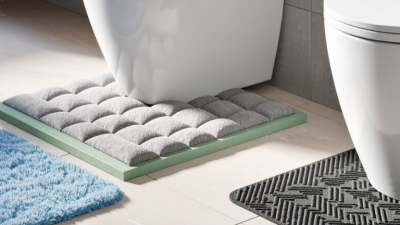
What Is a Shower Room Mat and How Does It Work?
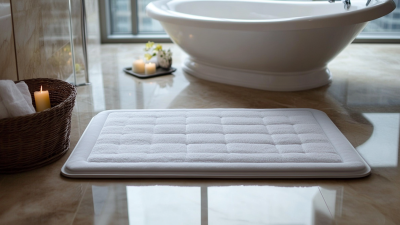
A Shower Room Mat is more than a soft surface placed beside a shower. It is a practical layer between wet feet, cold flooring, and accidental slips. Most mats combine absorbent fibers, a quick-drying core, and a textured or rubberized underside. Together, these features capture splashes and improve footing when the floor becomes damp.
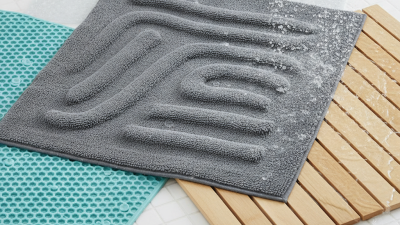
Bathroom safety consultant Dr. Helen Foster describes the basic purpose clearly: “A good mat manages water without creating a hidden hazard.” That sentence deserves attention. A mat can absorb water, but it cannot repair poor drainage or replace careful cleaning. Some designs use raised grooves to lift feet slightly above surface moisture. Others use latex or silicone backing to reduce movement. However, suction cups may lose grip on dusty, uneven, or soapy floors.
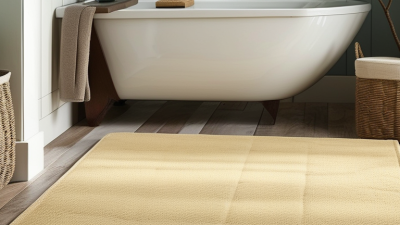
The material also changes the experience. Cotton feels warm and comfortable, while microfiber often dries faster. Teak and bamboo offer a firm, spa-like surface, but they still need ventilation. A damp mat left against the floor can develop odors, discoloration, or microbial buildup. Not glamorous. Still important.
When choosing a Shower Room Mat, consider absorption, stability, drying speed, floor compatibility, and maintenance. Check the backing regularly. Wash fabric mats according to their care instructions, and allow them to dry fully between uses. Even the best product has limits. Understanding those limits helps homeowners use a mat safely and realistically.
Definition: A Shower Mat’s Role in Water Capture, Drainage, and Traction
What Is a Shower Room Mat and How Does It Work?
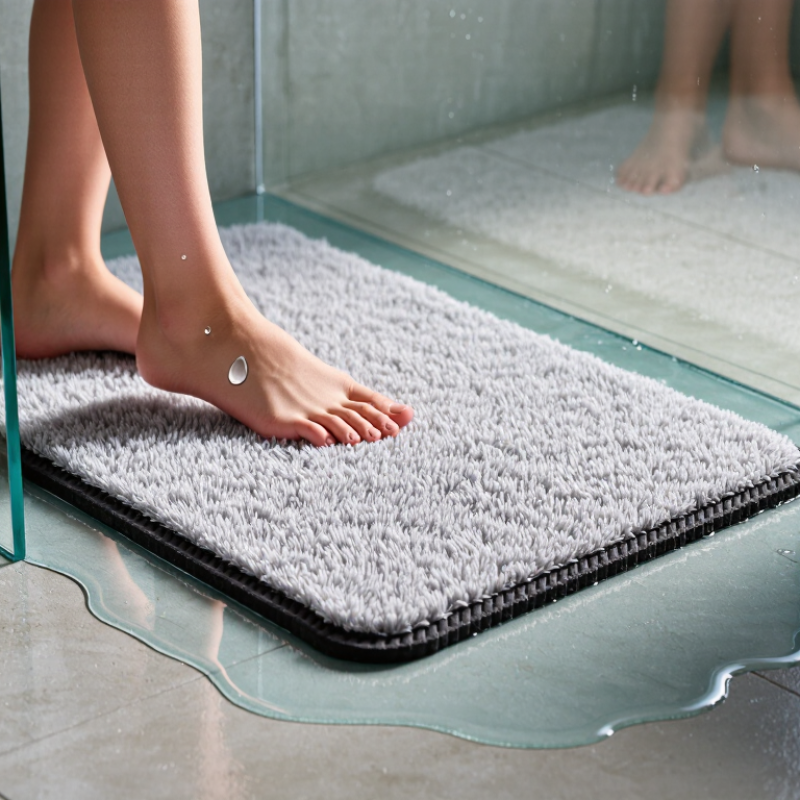
A shower room mat is a protective surface placed inside or near a shower area. Its main roles are water capture, drainage, and traction. The top surface collects droplets from feet and splashing water. Perforations or raised channels then guide moisture toward the drain. A textured underside helps the mat remain stable on a wet floor.
The mat does not replace proper drainage. It only manages surface water. According to the Centers for Disease Control and Prevention, more than 14 million older adults report a fall each year, affecting about one in four people in this age group. A wet shower floor can increase that risk. Traction depends on texture, material, contact pressure, and cleaning condition. Smooth feet lose grip quickly. Small details matter.
The U.S. Consumer Product Safety Commission’s injury surveillance data consistently identifies bathrooms as important locations for slip and fall injuries. A practical inspection should check whether water passes through the openings without pooling underneath. Lift the mat regularly. Clean both surfaces. A trapped film of soap, hair, or mildew can reduce stability, even when the top looks dry. This is where product claims deserve careful thought. A mat may feel secure today, but worn suction points or curled edges can change its performance. ASTM F462 also recognizes slip resistance as a key consideration for bathtub and shower surfaces, although no mat can remove every fall hazard.
How It Works: Surface Drainage, Capillary Wicking, and Evaporation
What Is a Shower Room Mat and How Does It Work?
A shower room mat is more than a soft surface under wet feet. Its structure manages water through surface drainage, capillary wicking, and evaporation. Raised grooves guide droplets away from the standing area. Porous layers then pull moisture into small spaces between fibers or particles. This reduces puddles, although it does not make the floor completely dry.
Surface drainage acts first. A textured top lets water move sideways instead of remaining beneath the foot. Capillary wicking follows. Narrow channels draw moisture through the mat, much like a towel absorbing a spill. Material density matters here. A very tight surface may feel smooth, but it can slow airflow and hold water longer. That trade-off is easy to overlook.
Evaporation finishes the process. Air movement, warmth, and exposed surface area help stored moisture leave the mat. The U.S. EPA’s Moisture Control Guidance recommends indoor relative humidity below 60%, ideally between 30% and 50%. Bathroom ventilation supports that target. The Home Ventilating Institute recommends running an exhaust fan for about 20 minutes after bathing. A mat cannot compensate for poor ventilation. Small details matter. In practical use, washing and fully drying the mat remains important, because trapped moisture can create odor and microbial growth. I would not judge performance by quick touch alone; the underside may still be wet.
Materials Compared: Rubber, PVC, Microfiber, and Diatomite Structures
A shower room mat is a textured layer placed near wet floors to improve footing and manage water. It works through friction, drainage, or absorption. The right structure depends on bathroom ventilation, cleaning habits, and user mobility.
Rubber offers strong grip and remains flexible underfoot. However, trapped moisture beneath it can create odor or surface staining. PVC is lightweight, affordable, and easy to rinse, but some formulas become stiff in cold rooms. Microfiber absorbs splashes quickly and feels comfortable on bare feet. Its weakness is slower drying, especially in poorly ventilated bathrooms. The U.S. Centers for Disease Control and Prevention reports that millions of older adults visit emergency departments annually after falls, making wet-floor control more than a comfort issue. A mat cannot eliminate risk.
Diatomite uses a porous mineral structure that draws water from the surface within seconds. It feels dry quickly, but it can chip or crack if dropped. Its performance also declines when pores become blocked by soap residue. ASTM traction-testing principles and ANSI A326.3 methods show why texture, drainage, and contamination matter during slip evaluation, although household mats are not automatically certified by these standards. I would not choose any material by absorption claims alone. A fast-drying microfiber mat may outperform diatomite in a humid room. Placement matters, too. Keep the underside flat, clean, and fully dry.
Shower Room Mat Materials Compared
Ratings use a 1–5 scale based on common material characteristics: 5 indicates stronger performance for the listed property. Actual results vary with mat thickness, surface design, backing, and ventilation.
Safety Benchmark: Wet PTV ≥36 Under EN 13036-4 Slip Testing
What Is a Shower Room Mat and How Does It Work?
Safety Benchmark: Wet PTV ≥36 Under EN 13036-4 Slip Testing
A shower room mat is a water-resistant surface placed where bare feet meet wet flooring. Its textured top helps create grip, while drainage holes or channels move water away. Some mats also use suction cups or a stable backing to reduce movement. The design sounds simple. The details matter.
A useful safety benchmark is a wet Pendulum Test Value (PTV) of at least 36 under EN 13036-4 slip testing. This test measures how a surface behaves when contaminated with water. A higher PTV generally indicates better slip resistance under the tested conditions. For a shower mat, this result can provide practical evidence of traction, rather than relying only on touch or appearance.
Testing is not the whole story. I once assumed that a heavily textured mat would always feel secure. That assumption was incomplete. Soap residue, standing water, curled edges, and poor drainage can change real-world performance. A mat should lie flat, remain stable, and dry between uses. Clean it regularly, and inspect the underside for trapped moisture or damaged grips. Small failures become noticeable quickly.
The EN 13036-4 result should also match the product’s intended use. Test surfaces, footwear, water volume, and installation conditions may differ from a home bathroom. A wet PTV of 36 or higher is a meaningful reference point, not a guarantee of zero risk. Good selection combines verified testing with careful placement, maintenance, and sensible movement in the shower area.
Care and Hygiene: Maintain Indoor Relative Humidity Below 60% to Limit Mold
A shower room mat is an absorbent or quick-drying surface placed outside the shower. It catches droplets, improves traction, and limits water spreading across hard floors. Yet it does not remove moisture from the air. That distinction matters. When a soaked mat stays folded, its underside may remain damp for hours. This hidden moisture can support mildew near grout, skirting boards, or timber thresholds.
The U.S. Environmental Protection Agency’s A Brief Guide to Mold, Moisture, and Your Home recommends indoor relative humidity below 60%, ideally between 30% and 50%. ASHRAE’s Fundamentals guidance also connects moisture control with limiting microbial growth on building surfaces. A small digital hygrometer near the bathroom door can reveal humidity spikes after bathing. Run the exhaust fan during the shower and for about 20 minutes afterward. Open the door only when damp air will not enter bedrooms.
Wash the mat according to its care label, then hang it fully open. Do not replace it while the backing still feels cool or clammy. I have found that “dry to touch” can be misleading. The underside often needs longer. Check corners and floor joints weekly. If readings remain above 60%, improve extraction, increase air movement, or request a qualified moisture assessment. Humidity readings can vary by location, so one meter should not be treated as perfect evidence.