What Are the 2026 Top Toilet Mat Types?
As bathroom design becomes more practical in 2026, the Toilet Mat is receiving closer attention. It is no longer judged only by color or softness. Homeowners now consider water absorption, drying speed, floor grip, cleaning effort, and material safety. A useful mat should sit neatly around the toilet base, protect flooring from small splashes, and remain comfortable under bare feet. However, product claims can sound better than daily performance. Real bathroom conditions matter more.
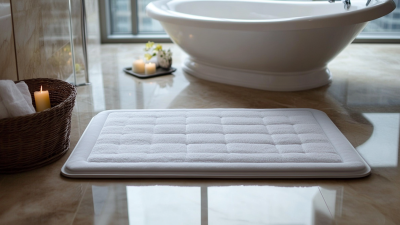
This guide explores the leading Toilet Mat types expected to attract attention in 2026. Microfiber mats offer a soft surface and quick moisture collection. Memory foam designs provide cushioning, especially on hard tile floors. Rubber and PVC mats focus on stability and easy rinsing. Diatomite-style mats can dry rapidly, although they may feel firm and require careful handling. Washable fabric options remain practical for families, but they need frequent laundering to prevent stale odors.
No single type suits every bathroom. That is important. A small, poorly ventilated room may need fast drying rather than thick padding. A household with children or older adults may value a secure, low-slip backing. In my experience, edge design is often overlooked. A raised or poorly cut edge can collect water and dust near the toilet. This overview compares each type through practical details, expert selection criteria, and realistic limitations. Some recommendations may still need reconsideration, because comfort, hygiene, and durability can conflict. The best choice depends on flooring, cleaning habits, room moisture, and the people using the space.
What Is a Toilet Mat and What Purposes Does It Serve?
A toilet mat is a small floor covering placed around the toilet base or in front of it. It usually has an absorbent surface and a backing designed to reduce slipping. Its main job is simple: catch drips, soften cold floors, and make standing more comfortable. Some designs follow the toilet’s curved base, while flat rectangular mats suit open bathrooms. This difference matters when doors swing low or cleaning tools need clear access.
In 2026, practical choices include contour mats, quick-drying woven mats, washable microfiber styles, and low-profile non-slip mats. Contour shapes fit closely around the pedestal. Quick-drying fibers can reduce dampness after bathing, but they still need ventilation. A mat should stay flat, resist sliding, and release water instead of holding it underneath. I would check the backing every week, especially on smooth tile. Tiny curls can become trip hazards. Wash the mat according to its care instructions, then dry it completely before replacing it. Hot water or harsh chemicals may damage some backings.
The mat also supports hygiene by limiting splash contact with the floor. However, it is not a substitute for cleaning the toilet base or disinfecting spills. If the underside remains wet, the mat can create odors, stains, or hidden floor damage. That is an easy detail to miss. I used to assume a thicker mat was safer, but excessive pile made the bathroom door catch. A slimmer design may work better in compact spaces. Measure the clearance first.
What Are the Main Types of Toilet Mats in 2026?
In 2026, toilet mats mainly fall into four practical types: microfiber, memory foam, rubber, and stone-based quick-dry mats. Each type solves a different bathroom problem. The right choice depends on moisture, floor material, cleaning habits, and household traffic.
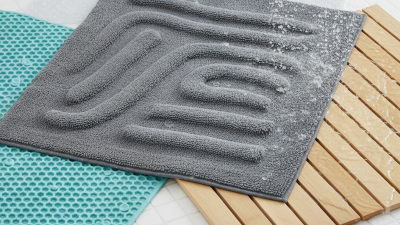
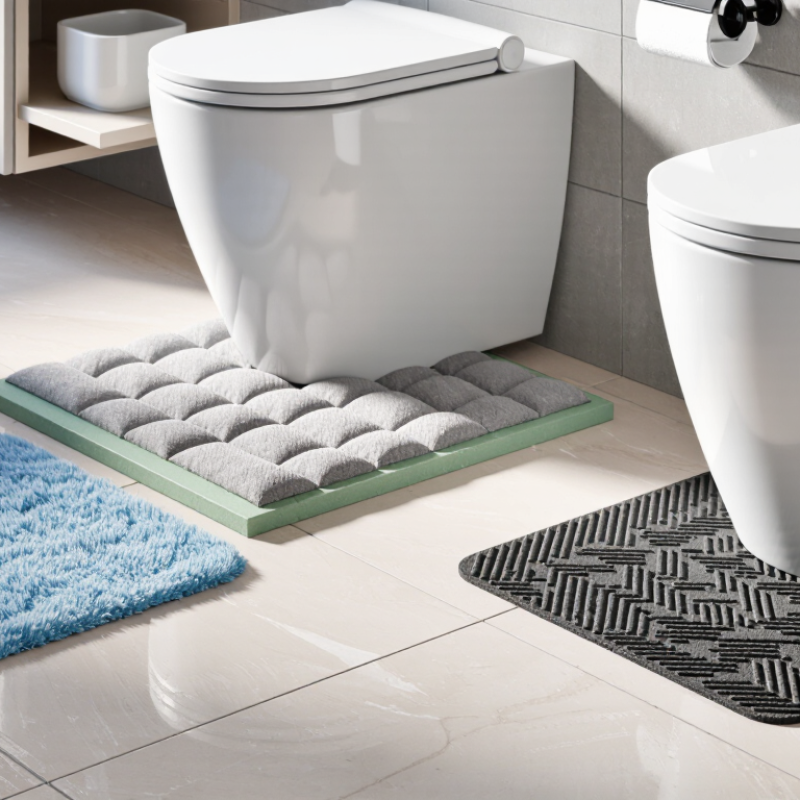
Microfiber mats absorb splashes quickly and feel soft under bare feet. Their dense fibers can trap hair, so regular washing matters. Memory foam mats offer noticeable cushioning, especially on hard tile floors. However, thick foam may dry slowly in poorly ventilated bathrooms. Rubber and PVC mats provide strong grip and resist water. They work well near toilets, but some surfaces can collect dust around textured edges. Quick-dry stone mats, often made from porous mineral materials, reduce dampness after use. They feel firm, though some users may find them less comfortable.
Shape also matters. Contour mats have a cutout for the toilet base and usually stay close to the fixture. Rectangular mats suit open bathroom layouts and can cover a wider walking area. Washable fabric mats are convenient for families, while low-profile designs reduce door interference. Check the underside before buying. A stable backing should grip without leaving sticky residue.
From practical testing, absorbency alone is not enough. A mat that stays wet can develop unpleasant odors. Cleaning instructions also deserve attention. Some mats tolerate machine washing, while others need surface wiping and ventilation. No option is perfect. Even a well-designed mat may curl after repeated washing or shift on a dusty floor.
What Are the 2026 Top Toilet Mat Types?
A practical comparison of common toilet mat materials based on absorbency, drying speed, floor grip, and washability.
Scores use a relative 1–10 scale derived from the typical physical characteristics of each material type. Microfiber and chenille generally provide strong absorbency, while PVC or rubber mats are easier to dry and clean but offer little water absorption.
How Do Toilet Mat Materials Affect Comfort and Performance?
What Are the 2026 Top Toilet Mat Types?
Material choice strongly affects how a toilet mat feels underfoot and performs after daily splashes. Memory foam offers noticeable cushioning, especially on hard tile. However, dense foam may dry slowly if water reaches its lower layers. Microfiber mats feel soft and absorb quickly. Their fine fibers can also trap hair, dust, and detergent residue. Cotton provides a warmer, more natural touch, but it usually needs longer drying time.
Textile Exchange’s 2024 Materials Market Report recorded 124 million tonnes of global fiber production in 2023. Polyester represented about 57% of that volume. This explains the popularity of synthetic microfiber in home textiles. It is lightweight, fast-drying, and easy to wash. Yet recycled content alone does not prove better performance. A mat still needs stable backing, secure edging, and repeated wash testing. I would inspect the underside carefully. A smooth backing can slide on wet ceramic flooring.
The 2024 UNEP Global Resources Outlook reported that global resource extraction could rise by about 60% by 2060 without major changes. That finding makes durable materials more important in 2026. Bamboo-based fabrics may feel breathable, but processing methods vary widely. Rubber or thermoplastic backing can improve grip, although some types may release odor when newly unpacked. ASTM absorbency and colorfastness methods offer useful testing references. Still, household conditions differ. A thick mat may feel luxurious, but it can become inconvenient beside a narrow toilet.
How Should You Choose a Toilet Mat for Your Bathroom?
Choosing a toilet mat in 2026 starts with your bathroom’s actual conditions, not a popular design.
Measure around the toilet base and leave enough space for cleaning. A U-shaped contour mat suits close-fitting toilets, while a flat rectangular mat works better in open layouts. My own bathroom once had a thick mat that looked comfortable but trapped moisture underneath. It was a poor choice.
Microfiber mats feel soft and absorb splashes quickly. They are useful in busy family bathrooms, but they need frequent washing and complete drying.
Quick-drying stone mats offer a firmer surface and a cleaner appearance. However, they can feel cold and may crack if handled roughly.
Woven cotton mats are comfortable, yet they usually dry more slowly. Choose based on your habits.
Safety deserves more attention than color.
Look for a stable backing that grips your floor without leaving sticky residue. Test the mat near the toilet before daily use. It should not curl at the corners or block the door. Check its washing instructions, especially when the mat contains rubber or layered materials. Keep the floor ventilated.
There is no perfect type. A small bathroom may need a thin, washable mat, while a cold, spacious room may suit a thicker option. I once chose appearance over drying time, and regretted it after one damp week. Choose the mat you can clean, dry, and replace without hesitation.
How Do You Clean, Maintain, and Replace a Toilet Mat?
What Are the 2026 Top Toilet Mat Types?
Toilet mats now include microfiber, washable cotton, rubber-backed fabric, and quick-drying stone styles. Grand View Research estimated the global bath mat market at about USD 1.39 billion in 2022. However, market growth does not prove better hygiene. The weak point is usually the backing. EPA WaterSense reports that toilets use nearly 30% of indoor household water, increasing the chance of splashes and damp flooring.
Clean a toilet mat weekly in busy bathrooms. Remove it before cleaning the toilet. Shake it outdoors, then vacuum loose hair and dust. Follow the care label before machine washing. Use warm water and a mild detergent when permitted. Avoid mixing bleach with acidic or ammonia-based cleaners. That combination can create dangerous fumes. Rinse thoroughly, then dry the mat completely. Moisture wins.
The Centers for Disease Control and Prevention recommends cleaning visibly dirty surfaces before disinfecting them. Apply that order to the surrounding floor, not only the mat. Inspect the underside each week for peeling, odor, mildew, or trapped grit. Replace the mat when the backing cracks, curls, or stays damp after drying. A washable mat may last longer, but no routine is perfect. I would replace it sooner in homes with children, older adults, or poor bathroom ventilation. A 2024 industry report may forecast market growth, yet replacement decisions still depend on wear, moisture, and cleaning performance.