SIMPLE, TRUST, INTROSPECTION MIND, DO 101 POINTS.

Leave Your Message

How to Choose the Best Faux Fur Bath Mat

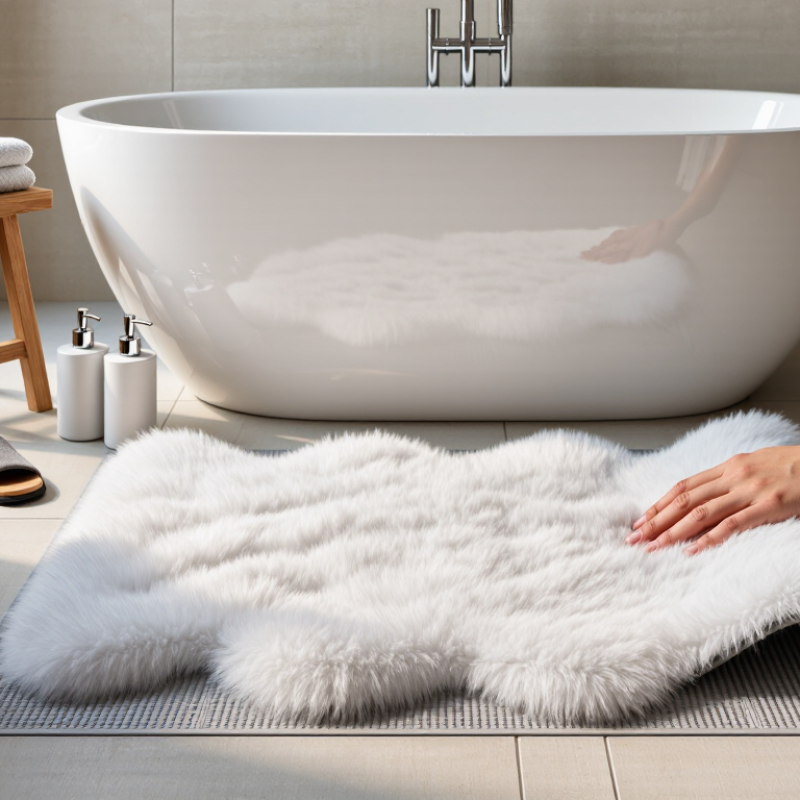
A Faux Fur Bath Mat can make a bathroom feel warmer, softer, and more inviting. Yet the plush surface is only part of the decision. Backing grip, pile density, absorbency, and washing instructions all affect daily comfort and upkeep. A mat that looks cloud-soft beside the tub may flatten quickly or slide on smooth tile. Small details matter.

Grand View Research valued the global home textiles market at approximately $133.4 billion in 2023, with growth projected through 2030. This broad category includes many products; it does not measure faux-fur bath mats specifically. That distinction matters. Market growth cannot tell shoppers whether a particular mat sheds, dries quickly, or stays secure. Product-level evidence and clear care labels are more useful. No verifiable public quotation from a named faux-fur bath mat specialist was available for this introduction, so attributing a made-up quote would undermine trust. A useful buying rule is simple: check the backing, wash method, and manufacturer’s performance details before choosing.

In this guide, we’ll look closely at those practical checks. We’ll compare pile feel, backing materials, size, and cleaning needs, then explain what product claims can—and cannot—prove. Expect a little compromise. The plushest mat may need more careful washing, while a quick-drying option may feel less dense underfoot. The best choice is the one that suits your bathroom’s floor, routine, and comfort preferences.
How to Choose the Best Faux Fur Bath Mat

Measure the Bath Area and Compare Mat Dimensions in Centimeters

Measure the clear floor area beside the tub or shower, not the full bathroom. Note the usable length and width in centimeters, then check door swings, vanity edges, and where feet land when stepping out. A paper outline helps: tape off a proposed mat size and walk around it. Small difference. A 50 × 80 cm mat may suit a narrow tub exit, while a 60 × 90 cm mat offers more landing space if the floor allows. These are practical examples, not fixed standards.

Compare the mat’s listed dimensions with your measurements, leaving exposed floor rather than forcing a wall-to-wall fit. Check the backing and care label too; a plush faux-fur pile can look larger than its stable base. The U.S. Centers for Disease Control and Prevention’s analysis, “Nonfatal Bathroom Injuries Among Persons Aged 15 Years and Older—United States, 2008,” found that 81.1% of bathroom injuries involved falls. That figure does not mean a mat prevents falls, but it supports keeping walkways clear and choosing a mat that lies flat. Recheck measurements after accounting for trim or a curved tub. Easy to overlook. I’d still measure twice; bathroom corners rarely feel as square as they look.

Check Fiber Content, Pile Construction, and Backing Materials

How to Choose the Best Faux Fur Bath Mat

Check the fiber label before judging a mat by softness alone. Polyester faux fur is common and can feel plush, but fiber content affects care and drying. Textile Exchange’s Materials Market Report 2024 estimates that polyester made up 57% of global fiber production in 2023. That figure describes the wider textile market, not bath mats specifically. Still, it helps explain why polyester appears so often. Check whether the mat is machine-washable, and follow its care instructions. A dense pile feels cozy under bare feet. It may also hold water longer. Shorter, evenly packed fibers can be easier to shake out and dry.

Look closely at how the pile is attached to its backing. Tufted fibers should feel secure, without obvious loose patches or shedding. Then inspect the underside: latex, thermoplastic rubber, and PVC are common backing materials, but performance varies by surface and wear. No backing guarantees a slip-free floor. Press the mat onto clean, dry tile, then check that its edges lie flat. Small detail. If the bathroom stays damp, lift the mat after use and let air reach both sides. I might favor extra fluff at first, but a mat that dries slowly can become a nuisance. Check care and replacement guidance rather than assuming a thick pile will last longer.

How to Choose the Best Faux Fur Bath Mat - Check Fiber Content, Pile Construction, and Backing Materials

What to Check Common Options Practical Benefits Things to Consider What to Look for
Fiber content Polyester, acrylic, or a blend Polyester is widely used, dries relatively quickly, and is generally easy to care for. Acrylic can provide a soft, wool-like feel. Performance varies with yarn, pile, backing, and construction. Synthetic fibers can shed microfibers during washing. Check the stated fiber percentages and care instructions; prefer a washable design if regular cleaning is important.
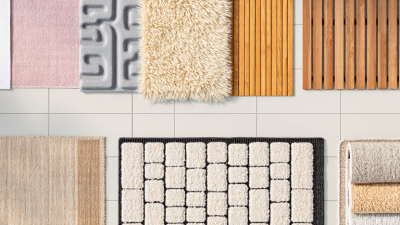
Pile construction Cut pile, shag pile, or a shorter, denser pile A longer pile feels plush underfoot; a shorter or denser pile is often easier to shake out and clean. Long, loose fibers can trap more hair and debris and may take longer to dry. Very thick pile can feel less stable underfoot. Choose a pile height that balances softness with cleaning and drying needs; look for securely attached fibers.
Backing material TPR, PVC, latex, or textile backing A grippy backing can help reduce movement on suitable, clean, dry floors. Textile backing may be more flexible. Grip is not guaranteed on every floor. Some rubber-like backings may deteriorate if exposed to heat, harsh cleaners, or prolonged dampness. Check the backing material and care label, and confirm it is compatible with your floor. Keep the floor and underside dry.
Absorbency and drying Depends on fiber, pile density, and mat thickness A mat can help catch drips after bathing and provide a softer surface than bare flooring. Faux fur is not automatically highly absorbent; a thick mat may retain moisture and need more time to dry. Look for clear washing and drying guidance, and hang or lay the mat flat to dry as directed.
Care and washing Machine-washable or spot-clean only, depending on construction Washable mats can be easier to maintain when used frequently. High heat, bleach, or aggressive washing may damage fibers or backing; not every mat is suitable for a dryer. Follow the product care label rather than assuming all faux fur mats can be machine-washed.
Size and placement Compact, standard, or oversized formats The right size covers the area where water is most likely to drip without obstructing doors or walkways. A mat placed partly under a door or on an uneven surface may bunch or move. Measure the intended area and check door clearance before choosing a size.

Safety note: A bath mat can reduce slipping risk but does not eliminate it. Place it on a clean, dry floor and check regularly that the backing remains intact and the mat lies flat.

Compare Water Absorbency Using AATCC TM79

AATCC TM79 measures textile absorbency by recording how long a water drop takes to disappear from the fabric surface. For faux fur bath mats, this offers a useful comparison, but the result needs context. A dense pile may hold a drop between fibers, while a flatter surface lets it spread quickly. Fast disappearance alone does not prove that a mat can absorb a large spill.

For a fair comparison, condition samples in the same room and test identical areas on the pile side. Keep the water temperature, drop size, and placement consistent, and record several readings per mat. Follow the current method’s instructions, preferably in a textile lab; improvised droppers can vary more than expected. Average the readings, but note unusual results rather than quietly discarding them. Consistency matters.

Use the times to compare similar mats, not to promise how dry a bathroom floor will feel. AATCC TM79 focuses on surface wetting, not total water capacity, drying speed, or grip on tile. Check backing construction and care guidance separately. Then consider whether the pile stays pleasant underfoot after repeated use. One test cannot answer everything. That limitation is worth admitting when choosing the softest-looking option.

Assess Drying Performance with AATCC TM201

A faux fur bath mat can feel plush underfoot yet stay damp beneath its long fibers. AATCC TM201, the heated plate method for drying rate, offers a controlled way to compare textile samples. It measures how quickly moisture leaves a test specimen under specified conditions. That gives shoppers a useful performance signal, not a promise that a mat will dry equally fast in every bathroom.

Tips: Compare results only when samples were tested using the same method and conditions. Check whether the data applies to the finished mat or just its fabric. Look closely at pile depth and backing, too. Dense fibers may hold water near the base, while a nonporous backing can slow drying. Airflow and room humidity also matter.

I would not treat one number as the whole story. A lab test cannot fully recreate a mat left on cool tile after a steamy shower. Still, TM201 results can help separate faster-drying options from slower ones. Pair them with practical details, such as whether the pile feels damp after light pressure and whether the backing releases moisture. Small differences in construction can matter. That part is easy to overlook.

Review Home-Laundering Durability Against ISO 6330

A faux fur bath mat should stay soft and stable after routine washing, not just look plush on a shop floor. ISO 6330 provides procedures for domestic washing and drying textile samples. It is a testing framework, not a pass-or-fail durability rating. Ask which washing and drying method was used, and how many cycles were completed.

Look for checks made before and after laundering: pile shedding, mat dimensions, backing condition, edge curling, and changes in softness. A small sample may not reveal how a full mat behaves, so test reports should identify the specimen and conditions. Details matter. A mat dried flat may fare differently from one tumble-dried. Follow the care label when comparing results; otherwise, the test may not reflect normal home use.

I would treat claims such as “machine washable” as a starting point, not proof of long-term performance. One caveat: a controlled test cannot reproduce every bathroom, detergent, or washer. Still, repeated cycles can expose weak backing or flattened pile early. The evidence is useful, though imperfect. For a dependable choice, favor clear test details over vague durability language, and consider whether the mat can dry fully between washes.