What Is a Bathtub Mat and Why Do You Need One?
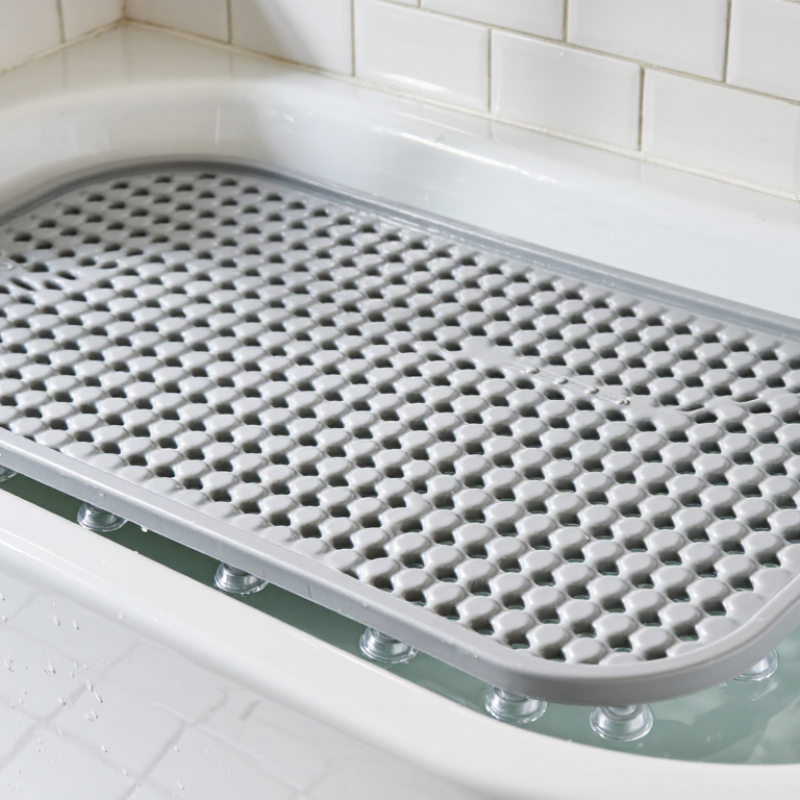
A Bathtub Mat is a textured, water-resistant surface placed inside or beside a bathtub. It helps reduce slipping when wet feet meet smooth enamel, acrylic, or tile. A properly fitted mat can make stepping out of the bath feel steadier, especially for children, older adults, or anyone with limited balance. Small details matter. Raised patterns create grip, while drainage holes help water escape instead of collecting underneath. Some mats use suction cups, but their performance depends on a clean, smooth, non-textured surface.
A reliable Bathtub Mat should match the tub’s dimensions without curling at the edges. It should also be easy to lift, rinse, and dry. A damp mat left in place can develop unpleasant odors, mildew, or hidden residue. Regular washing and complete air-drying are practical habits, not optional extras. Check the manufacturer’s cleaning instructions before using strong chemicals, since certain materials may crack or lose their grip.
A mat is helpful, not magical. It cannot replace careful movement, adequate lighting, or a secure grab bar. Suction cups may loosen over time, and even a high-quality product can become slippery when coated with soap. Personal experience often reveals this too late: the mat feels secure for weeks, then shifts slightly during one hurried step. Inspecting it regularly is sensible. Choosing the right material, size, and maintenance routine turns this simple bathroom accessory into a meaningful part of everyday safety.
What Is a Bathtub Mat? Definition, Materials, and Core Functions
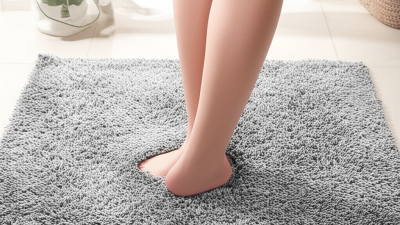
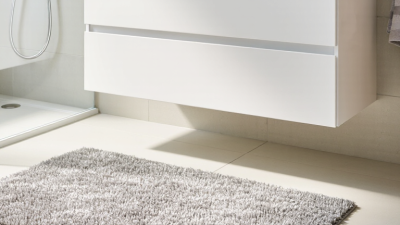
A bathtub mat is a textured pad placed inside or beside a bathtub. Inside the tub, it creates a more stable surface for wet feet. Beside the tub, it absorbs water and protects the floor from puddles. These two types look similar, but they serve different purposes. An inside mat usually has suction cups or a grippy underside. An outside mat often uses absorbent fibers and a moisture-resistant backing.
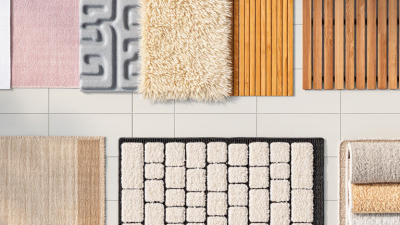
Common materials include rubber, PVC, microfiber, cotton, and bamboo. Rubber and PVC resist water and provide firm traction, while microfiber and cotton feel softer underfoot. Bamboo dries quickly, although it can become slippery when wet. Small drainage holes help water move away from the standing surface. A washable design is useful, because soap residue, skin oils, and damp fibers can support mold growth.
The main function is fall prevention, not decoration. A properly sized mat should lie flat without curled edges. I check its suction cups before each use, especially when the tub surface is textured. Even then, no mat is completely slip-proof. That limitation matters. Clean the mat regularly, rinse away soap, and hang it fully open to dry. A mat that stays damp underneath may create the problem it was meant to prevent. My first choice would be a washable, quick-drying material, but comfort and tub compatibility still need careful consideration.
What Is a Bathtub Mat and Why Do You Need One?
A bathtub mat is a removable floor covering placed inside or beside a bathtub to improve traction, absorb water, and create a more comfortable surface. Common materials include PVC, natural rubber, cotton, and diatomaceous earth.
The chart compares typical thickness values for common bathtub mat materials. Thickness varies by design and is not, by itself, a guarantee of slip resistance or drying performance.
Why Bathtub Mats Matter: CDC Says 1 in 4 Older Adults Falls Yearly
A bathtub mat is a textured, water-resistant surface placed inside or beside a tub. It helps improve traction where soap and water create a slippery film. The CDC reports that more than one in four adults aged 65 and older falls each year. Falls also cause over 3 million emergency department visits annually among older adults in the United States (CDC, Facts About Falls). A wet tub is a small space, but the consequences can be serious.
A well-fitted mat may reduce slipping risk, especially for people with limited balance or reduced vision. Choose one with drainage holes, strong suction, and a surface that remains stable underfoot. It should lie flat without curled edges. Replace it when the backing cracks or loses grip. The National Institute on Aging recommends reducing bathroom hazards, improving lighting, and using supportive equipment when needed. A mat supports these steps, but it cannot replace grab bars or careful movement.
Do not trust suction cups blindly. Dust, soap residue, and an uneven tub can weaken their hold. Clean the mat regularly and let both sides dry fully. I would also test it with a hand before stepping in. That habit feels excessive until the mat shifts. Even better, keep the floor outside the tub dry and remove loose rugs nearby. These simple checks reflect CDC fall-prevention guidance, though no single product can eliminate every risk.
Which Safety Features Matter? ASTM F1677 Slip-Resistance Testing
A bathtub mat is a textured, water-resistant surface placed inside or beside a tub. It helps reduce sliding when feet meet wet porcelain, acrylic, or tile. Water alone is troublesome. Soap residue can make the surface feel almost glassy.
ASTM F1677 is associated with a Portable Inclinable Articulated Strut Slip Tester. This test method evaluates slip resistance under controlled conditions by measuring when a test device begins to slide. That information is useful, but it is not a universal safety guarantee. Test results may depend on water, soap, surface texture, pressure, and footwear. Bare feet behave differently from rubber soles.
Look for clear testing information, not vague claims such as “extra safe.” Ask whether the tested surface was wet and whether contaminants were included. A mat should also lie flat, resist curling, and drain water through its openings. Strong suction cups can help, but they may fail on textured or dirty tub surfaces. Clean both the mat and the tub regularly, because trapped soap reduces traction. I once assumed more suction always meant better safety. It does not. A poorly fitted mat can still shift at the edges. ASTM data matters, yet daily fit and maintenance matter too. Safety needs practical checking.
How to Choose Size, Grip, Drainage, and Material for Your Tub
What Is a Bathtub Mat and Why Do You Need One?
A bathtub mat is a textured, water-resistant surface placed inside or beside a tub. It helps reduce slipping when feet are wet, but it cannot prevent every fall. The U.S. Consumer Product Safety Commission reported about 235,000 bathroom-related injuries among people aged 15 and older in 2008. That figure is dated, so I would not treat it as a current risk estimate. Still, it shows why small safety details deserve attention.
Measure the tub floor before buying. The mat should cover the main standing area without blocking the drain. Leave enough space for water to escape. A mat that curls near the wall can become a trip hazard. Look for strong suction cups or a stable non-slip backing. ASTM F462, the safety specification for slip-resistant bath mats, emphasizes secure placement and slip resistance. However, suction cups may fail on textured, dirty, or uneven surfaces. Check them every week.
Material affects comfort, drying, and cleaning. Rubber or thermoplastic options usually handle repeated moisture well. Fabric mats feel softer, but they need frequent washing and complete drying. Choose drainage holes that release water quickly. Mildew grows in trapped moisture. I prefer a mat that lifts easily after bathing. That habit is easy to miss. Clean the tub surface first, then press the mat firmly into place. Replace it when the backing cracks, edges curl, or the surface stays slippery.