How to Choose the Best Bathroom Floor Carpet?
Choosing the best Bathroom Floor Carpet involves more than matching colors with your tiles. The room faces steam, splashes, damp feet, and frequent cleaning. A carpet that feels soft in a showroom may become heavy, musty, or slippery beside a bathtub.
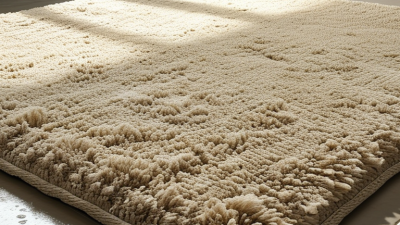
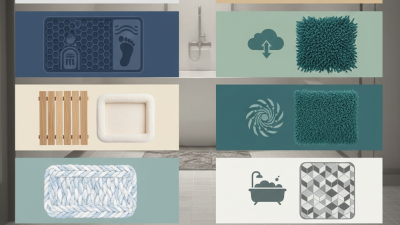
Flooring specialist Debbie Gartner, author of The Flooring Girl, says, “The best floor is the one that fits your lifestyle, your budget, and your maintenance habits.” That principle matters here. A practical Bathroom Floor Carpet should have a firm, non-slip backing, quick-drying fibers, and edges that stay flat. Look for washable materials, especially if children or pets use the bathroom. Polyester can resist moisture and stains, while cotton feels comfortable but may hold water longer. Microfiber often dries quickly, though quality varies between products.
Measure the standing area before shopping. Leave doors and cabinet drawers clear. A small rug near the sink may work better than one large piece covering the whole floor. Check the underside with your hand. It should feel grippy, not greasy or brittle.
Safety comes first.
Still, no carpet is completely mold-proof. I have learned that even a premium rug can fail when it remains wet overnight. Shake it out, hang it regularly, and follow the washing instructions carefully. Choosing the best option means balancing appearance, comfort, drying speed, cleaning effort, and the habits of everyone in your home. The perfect Bathroom Floor Carpet may not be the thickest one. It may be the one you can keep genuinely clean.
Define Moisture Control: Maintain Bathroom RH at 30–50% (EPA Guidance)
When choosing the best bathroom floor carpet, moisture control should guide the decision. The EPA generally recommends keeping indoor relative humidity between 30% and 50%. This range helps limit condensation, musty odors, and mold growth. Use a small hygrometer near the shower for accurate readings. Do not trust comfort alone.
Measure it regularly.
A bathroom carpet should dry quickly after use. Choose a low-pile, washable material with strong water resistance. Thick, dense fibers may feel soft, but they can hold moisture beneath the surface. A non-slip backing improves safety, yet some backings trap water against the floor. Lift the carpet after showering and inspect underneath. Hang it over a rail instead of leaving it flat.
Ventilation matters just as much. Run the exhaust fan during bathing and for about 20 minutes afterward. Keep the door slightly open when privacy allows. Wipe puddles near the bathtub, toilet, and sink. If humidity remains above 50%, the carpet may not be the main problem. Check airflow, leaks, and drying habits.
A practical test is simple: press a dry towel against the carpet after use. If the towel feels damp, the carpet needs more drying time. I once assumed a thicker mat offered better comfort, but it stayed wet longer than expected. That mistake changed my preference. A smaller carpet that dries fully may perform better than a luxurious one that remains damp. Replace any carpet with persistent odor, warped backing, or visible discoloration.
Verify Slip Safety: Compare Wet DCOF with ANSI A326.3’s 0.42 Benchmark
Choosing a bathroom floor carpet starts with the surface beneath it, not softness alone. In wet areas, slip resistance deserves measurable attention. ANSI A326.3 uses wet dynamic coefficient of friction, or wet DCOF, to assess flooring under controlled conditions. The often-cited benchmark is 0.42 for level interior surfaces walked on when wet. It is a useful screening point, not a promise of safety.
Ask for a current test report identifying the exact product, finish, and test method. Do not accept a vague “slip-resistant” label. A bathroom carpet may not be tested like tile, especially when fibers or backing change under moisture. Check whether the report applies to the exposed walking surface. Then inspect the underside. A stable, water-resistant backing should stay flat beside the shower and resist curling.
Place a sample on wet tile and test it with clean, dry feet. Better yet, have another adult observe movement. Tiny shifts matter. I once focused more on plush texture than edge stability; that judgment was incomplete. Water, soap, loose fibers, and poor drainage can alter real-world traction. Keep the mat washable and quick to dry. Replace it when the backing cracks or corners lift. A 0.42 result helps compare surfaces, while daily cleaning and careful placement affect actual performance.
Size the Carpet Safely: Keep Edges Clear of Fixtures and Door Swings
How to Choose the Best Bathroom Floor Carpet?
Measure the usable floor, not the room’s full width. Leave a visible buffer around the toilet, vanity, bathtub, and shower. A carpet should never press against a fixture’s curved base. Moisture can collect there, causing slow drying and unpleasant odors. Keep at least 2 to 4 inches of exposed flooring around fixed fixtures when possible.
Door clearance matters just as much. Open the door fully, then mark its entire swing on the floor. The carpet must stay outside that path. A thick edge can catch beneath the door, shift suddenly, or block emergency access. The National Kitchen and Bath Association recommends planning clearances around bathroom fixtures, while accessibility guidance commonly requires about 30 by 48 inches of clear floor space near fixtures. These measurements are not interchangeable, but they reveal the same principle: circulation needs room.
Do not guess.
The U.S. Consumer Product Safety Commission’s 2021 bathroom injury analysis estimated 234,094 emergency-department-treated injuries in U.S. bathrooms. Falls represented the dominant injury mechanism. That figure does not prove every bathroom carpet is dangerous, yet it supports careful placement. The National Floor Safety Institute also identifies floor conditions and housekeeping as important fall-risk factors. In practice, choose a low-profile, tightly edged carpet with a stable backing. I have found that a slightly smaller carpet often performs better than a visually perfect, oversized one. Recheck the door after installation. Humidity can change the carpet’s shape, and my first measurement may still be wrong.
How to Choose the Best Bathroom Floor Carpet?
Keep carpet edges outside fixture clearance zones and away from door swings. Use these common U.S. planning references as a sizing guide, then confirm local building and accessibility requirements before installation.
Plan Hygiene and Care: Follow ISO 6330 Wash Tests and Manufacturer Limits
How to Choose the Best Bathroom Floor Carpet?
A bathroom floor carpet should survive repeated washing, not just look soft in a product photo. ISO 6330:2021 defines controlled domestic washing and drying procedures for textile testing. Use its methods as a comparison point when reviewing test results. Ask whether the carpet was tested at its stated temperature, cycle, and drying method.
A 40°C result cannot prove safe performance at 60°C.
Check the manufacturer’s care limits carefully. The label should state washing temperature, detergent restrictions, drying instructions, and whether machine drying is allowed. Do not exceed them. Heat may shrink fibers, weaken latex backing, or cause curling around the edges.
I once treated a “washable” mat too aggressively; it cleaned well but dried unevenly and became a trip risk.
Hygiene also depends on drying speed. The U.S. Environmental Protection Agency reports that indoor pollutant levels can be two to five times higher than outdoor levels, making moisture control important indoors. Choose a low-pile carpet with a breathable backing and a surface that dries quickly after shower use.
A 2023 textile-care review in the Journal of Engineered Fibers and Fabrics highlights repeated laundering as a major stress on dimensional stability and color retention. Therefore, compare appearance after several declared wash cycles, not after one test.
It is easy to overlook the underside. Check it too.