Choosing the best Shower Room Carpet in 2026 requires more than comparing colors, prices, or online ratings. Global buyers need a product that performs safely in wet, humid, and frequently cleaned spaces. A soft surface is helpful, but it should not hide weak drainage or poor backing.
This guide examines practical details that affect daily use. We consider absorbency, drying speed, slip resistance, edge construction, fiber durability, and washing instructions. Materials such as microfiber, cotton blends, and recycled fibers can offer different benefits. However, performance may change between a dry apartment bathroom and a humid coastal home. Local water quality and ventilation also matter.
Look closely at the underside.
A reliable Shower Room Carpet should stay stable on a clean floor without creating a sealed puddle underneath. Buyers should check supplier specifications, test reports, fiber content, colorfastness information, and applicable safety requirements before ordering internationally. Packaging quality and replacement availability deserve attention too. A low-cost item may become expensive if it loses shape after several washes.
No option is perfect. A thick carpet may feel warmer but dry slowly. A quick-drying mat may feel less luxurious. Even trusted sellers can provide incomplete care instructions, so careful questions remain necessary. This introduction sets a practical framework for comparing products in 2026, while recognizing that the “best” choice depends on bathroom size, climate, cleaning habits, budget, and expected service life.
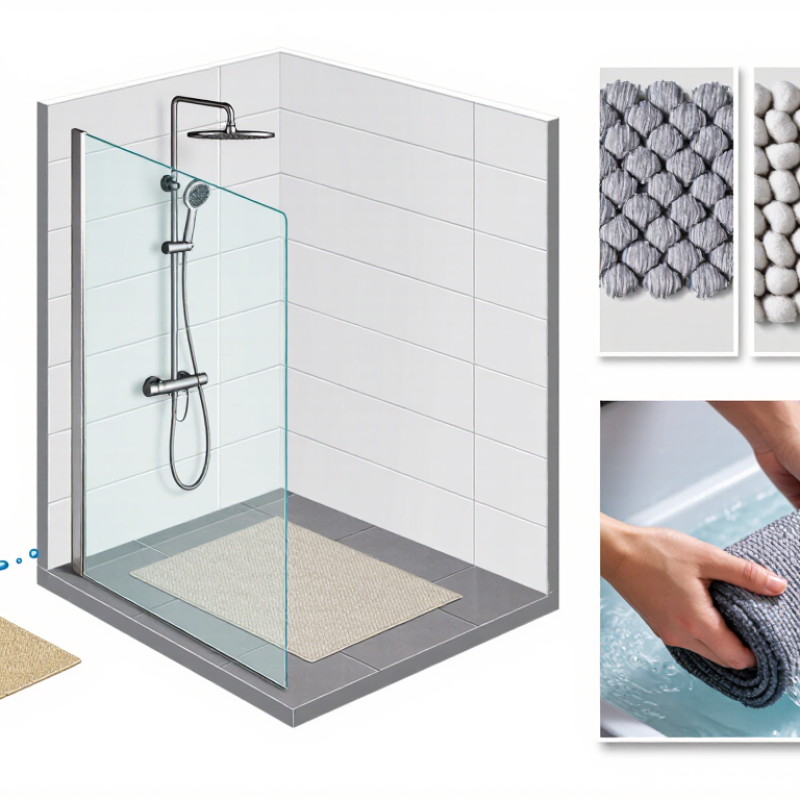
A shower room carpet is a water-resistant floor covering for humid bathroom conditions. It may be a quick-drying mat, perforated roll, or modular surface. Unlike ordinary carpet, it should release water and resist odor buildup. That difference matters. A soft surface can still become slippery underneath. Good design begins below the feet.
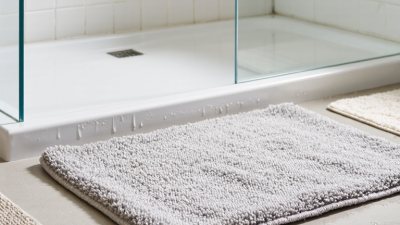
When assessing one, check the underside first. A textured backing should grip a clean floor without leaving sticky residue. Edges should remain flat, because curled corners can cause trips. Drainage channels are useful in busy shower rooms, especially after several users.
Closed-cell foam feels warm, while perforated rubber often drains faster. Treated synthetic fibers can feel comfortable, but they may need more frequent washing.
Cleaning instructions deserve close attention. A removable carpet is easier to inspect, dry, and replace. Look for clear information about washing temperature, drying methods, thickness, and material composition. Independent slip-resistance or water-management test data can improve purchasing confidence. Requirements differ across countries, so buyers should also check local building and accessibility guidance.
No surface is perfect. A thicker carpet may feel luxurious but dry slowly in a poorly ventilated room. A thin design may drain well but feel less comfortable. I would test it with wet feet, inspect the corners, and measure the drying time after use. These simple checks often reveal more than attractive product photographs.
For global buyers in 2026, the best shower-room carpet begins with material, not color. Bathrooms create a difficult mix of standing water, soap residue, heat, and slow drying. For most homes, solution-dyed polypropylene is a practical choice. It absorbs little water, dries faster, and usually resists fading near windows. Polyester can also work, especially when softness matters. However, soft fibers alone do not make a safe bathroom carpet.
Choose a low-pile surface with tightly woven fibers. A deep pile can trap hair, soap, and moisture beneath the surface. Look for a backing that grips firmly without blocking drainage. Thermoplastic rubber or other water-resistant backing materials are often more suitable than absorbent fabric backing. Still, backing quality varies widely. Check independent slip-resistance information, washing instructions, and maximum drying times before ordering. Do not trust the word “waterproof” by itself.
I once used a thick cotton mat beside a shower. It felt comfortable, but the underside stayed damp after several hours. That choice was not perfect. Now, I inspect the floor daily and lift the mat after bathing. Washability matters as much as softness. Select a size that leaves visible floor around the edges, allowing air to move underneath. Natural fibers may feel luxurious, yet they often need more ventilation and frequent laundering. Buyers should also compare fiber density, edge stitching, odor after wetting, and replacement availability in their region. A small sample test can reveal more than a polished product photograph.
When global buyers compare a 2026 shower room carpet, safety should lead the checklist. A carpet should stay outside the direct shower spray. A stable, slip-resistant backing helps keep it still on wet tile. Look for low edges, firm stitching, and a surface that resists curling after washing. I have found that dense, soft fibers improve comfort on cold mornings. Yet excessive thickness can trap water and slow drying. That trade-off matters. Choose a carpet that feels cushioned but can be lifted easily with one hand.
Hygiene requires more than attractive product claims. Compare machine-wash instructions, drying time, colorfastness, and resistance to odor buildup. Quick-drying synthetic fibers may suit humid homes, while natural blends can feel warmer but need careful maintenance. A credible supplier should provide clear material details and relevant safety test information. Check whether the backing tolerates repeated washing, because separation can create hidden dirt pockets. I once assumed a thicker pile was automatically more hygienic. It was not. Inspect the underside after use, especially in poorly ventilated bathrooms. Small design details often affect daily reliability more than appearance.
Which safety, comfort, and hygiene features should buyers compare?
This procurement weighting model assigns the greatest importance to wet-floor safety and hygiene. Buyers should compare slip resistance, drainage speed, antimicrobial or mold-resistant construction, washable materials, cushioning, and long-term dimensional stability before selecting a shower room carpet.
A shower-room carpet should not be chosen by appearance alone. Measure the dry floor beside the shower, then leave a 5–10 cm gap around walls and fixtures. This space improves airflow and reduces trapped moisture. A low-pile, removable mat is usually safer than a thick carpet. It dries faster and collects less hair. Keep it outside the direct spray zone.
Design affects daily maintenance. Light colors reveal soap marks quickly, while very dark colors show lint and dust. Small geometric patterns can hide minor stains without making a compact bathroom look crowded. Choose a tightly woven surface, a non-slip backing, and edges that lie flat. I would avoid loose fringe. It looks attractive, but it holds water and may become a trip hazard.
Moisture control decides durability. The U.S. Environmental Protection Agency recommends indoor relative humidity between 30% and 50%, and advises drying wet materials within 24–48 hours to limit mold growth. The IICRC S100 Standard also emphasizes controlled cleaning and rapid drying for textile floor coverings. Wash the carpet according to its care label, and hang it fully open after use. Never judge durability by fiber softness alone. Check colorfastness, backing stability, and repeated-wash performance. My earlier assumption was that a thicker carpet would feel more luxurious. In a shower room, that choice can become a damp, unpleasant mistake. Test a sample on the floor first.
Global buyers should treat a shower room carpet as a wet-area safety product, not an ordinary floor covering. Check slip resistance, water drainage, mold resistance, colorfastness, and backing adhesion. The exact requirements depend on the destination market and installation location. A product placed beside a shower may follow different rules from one used inside a constantly wet enclosure. Ask for current laboratory reports, material specifications, and care instructions. Test reports should match the actual product, not only a similar sample.
Costs include more than the factory quotation. Compare sample fees, custom mold charges, packaging, inland transport, ocean freight, insurance, duties, and inspection costs. A low unit price can hide weak backing or expensive minimum order quantities. Request a landed-cost estimate using your port and delivery terms. For small orders, freight may cost more than the carpet itself. That feels unfair, but it is common.
Supplier evaluation needs evidence. Request factory registration details, production photos, batch records, and a recent quality-control report. Check whether the supplier can repeat size, color, thickness, and drainage performance across batches. Order a sample and test it with water, soap residue, and repeated foot pressure. Inspect the edges after drying. A sample can pass while mass production changes. This risk is easy to underestimate. Independent pre-shipment inspection is useful, although it cannot replace clear specifications. Ask how rejected goods are handled, and keep every agreed tolerance in writing.