2026 Top Toilet Mat Types Which Do Global Buyers Prefer?
A Toilet Mat may look like a small bathroom accessory, yet global buyers now examine it with greater care. In 2026, purchasing decisions often involve absorbency, drying speed, slip resistance, comfort, and visual appeal. A mat beside the toilet faces moisture, cleaning chemicals, and frequent foot traffic. Its performance matters more than a decorative pattern alone.
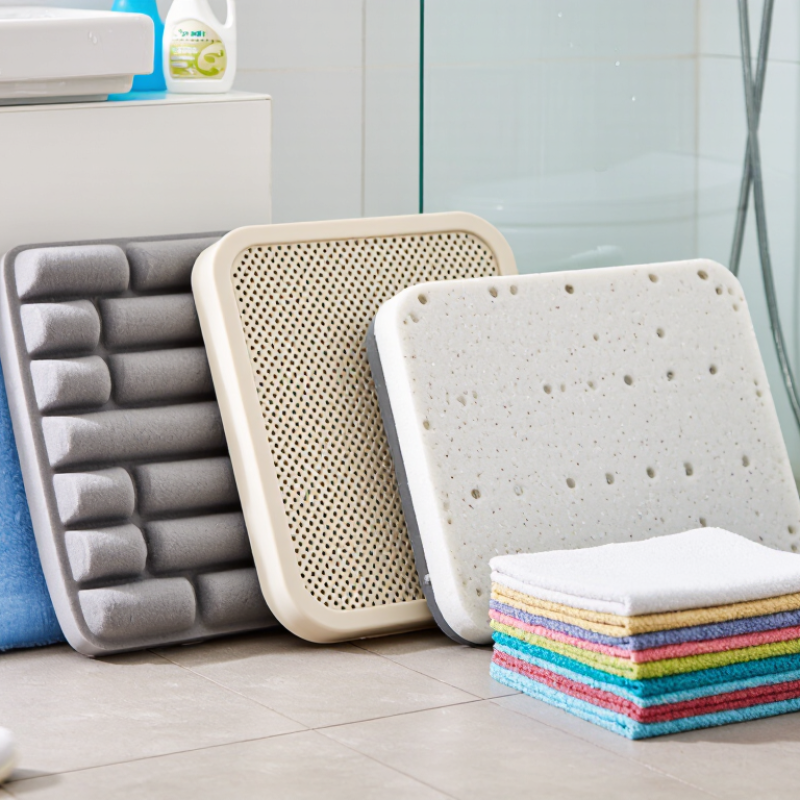
This introduction explores the Toilet Mat types attracting buyers across different markets. Common options include microfiber mats, memory-foam mats, rubber-backed designs, diatomaceous earth styles, and washable fabric models. Each type creates a different balance between softness, hygiene, durability, and maintenance. For example, microfiber can dry quickly, while rubber backing may improve floor stability. However, poor backing materials can crack, trap moisture, or leave marks on smooth tiles.
Buyer preferences are not identical. Climate, bathroom size, household habits, and local washing facilities can change the final choice. Families may value machine washing, while hotels may prioritize uniform appearance and replacement cost. Some claims about “quick drying” or “anti-slip” performance also deserve closer testing. Marketing language is not always enough. Real use, product specifications, and reliable quality checks should guide a responsible comparison. No single Toilet Mat suits every bathroom. That is worth remembering. This overview therefore considers practical evidence, user experience, and long-term value. It also recognizes an uncomfortable point: lower prices can sometimes hide weaker construction, but premium pricing does not guarantee better performance. Global buyers need clear criteria, not fashionable assumptions, when choosing their preferred type.
What Is a Toilet Mat and Why Does Its Type Matter?
2026 Top Toilet Mat Types: Which Do Global Buyers Prefer?
What Is a Toilet Mat and Why Does Its Type Matter?
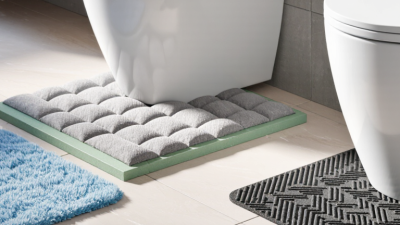
A toilet mat is a small floor covering placed around the toilet base. It absorbs splashes, softens cold tiles, and creates a cleaner visual boundary. Its type matters because bathrooms combine water, smooth surfaces, cleaning chemicals, and limited walking space.
Textile mats, especially microfiber styles, offer soft footing and fast surface drying. Rubber-backed designs improve stability, but their backing may trap moisture on poorly ventilated floors. Diatomite mats dry quickly and feel firm underfoot. However, they can crack, stain, or feel uncomfortable when used barefoot. Buyers usually compare absorbency, drying speed, edge shape, washability, and backing grip rather than appearance alone.
Safety deserves more attention. The World Health Organization reports about 684,000 fatal falls globally each year, with older adults facing the greatest risk. The U.S. Centers for Disease Control and Prevention also identifies falls as a leading cause of injury among older adults. These reports do not prove that toilet mats cause falls, but they support careful product evaluation. A flat edge, secure backing, and regular drying routine may reduce avoidable hazards. Still, no mat is automatically safe. My own preference is practical but imperfect: washable microfiber for humid homes, firm quick-dry mats for frequent use, and no mat where moisture remains underneath. Global buyers may prefer convenience, yet local climate and flooring often decide the better type.
How Do Global Buyers Compare Toilet Mat Designs and Features?
How Do Global Buyers Compare Toilet Mat Designs and Features?
Global buyers rarely judge toilet mats by appearance alone. They compare absorbency, drying speed, grip, comfort, and cleaning effort. A thick memory-foam mat feels comfortable, but it may dry slowly in humid bathrooms. A low-profile microfiber design dries faster and fits beneath most doors. However, thinner mats can feel less luxurious. No single feature wins every market.
Textile Exchange reported global fiber production reached 124 million tonnes in 2023. This figure encourages buyers to examine recycled content, fiber origin, and product durability. The IBM Institute for Business Value also found that 57% of surveyed consumers were willing to change purchasing habits to reduce environmental impact. Therefore, global purchasers increasingly ask for washable materials, transparent composition, and longer service life. My earlier assumption that “eco-friendly” always meant better was too simple. Some recycled fabrics still need careful testing for shedding, colorfastness, and drying performance.
Tips: Compare mats after washing, not only when new. Check the backing for stable grip, but avoid materials that damage flooring. Measure the toilet base and door clearance before ordering. Look for independent test information, clear care instructions, and realistic drying claims. Design matters too: neutral colors suit rental homes, while textured patterns can hide minor stains. Yet raised textures may collect dust, so buyers should match the surface to cleaning habits and local humidity.
Which Toilet Mat Types Suit Different Bathrooms and User Needs?
Choosing a toilet mat begins with the bathroom, not a trend. In compact bathrooms, low-profile microfiber mats dry quickly and fit around pedestal bases. Their soft surface suits bare feet and absorbs splashes after handwashing. Washable polyester works well for households needing frequent cleaning. However, thick piles can trap moisture under the mat. That problem is easy to overlook. Fit matters. Buyers in humid regions should check drying time, stitching, and care instructions. A machine-washable design is useful, but only when its backing survives repeated cycles.
Memory-foam mats suit users who stand for longer periods, especially in larger family bathrooms. They cushion the feet and reduce the cold feeling of tiled floors. Yet foam dries slowly when ventilation is poor. It may also curl at the edges after heavy use. For older users or anyone with limited balance, stability matters more than softness. Look for a broad, flat shape, a reliable nonslip underside, and no raised lip near the toilet. Test the mat on a dry floor before regular use. Wet tiles can expose weaknesses quickly.
Diatomite-style stone mats appeal to buyers wanting a firm, fast-drying surface. They are practical beside a shower, but they feel hard and may crack if dropped. They also need a level floor and occasional surface care. Families with children may prefer a flexible, washable mat because it is easier to handle. Pet owners should consider loose fibers and cleaning frequency. My preference changes by room: microfiber for daily comfort, stone for rapid drying. Neither choice is perfect. A beautiful mat can still fail when its underside stays damp.
What Factors Shape Global Toilet Mat Buying Preferences?
Global toilet mat preferences are shaped by bathroom conditions, household habits, and local expectations of comfort. In humid regions, buyers often seek quick-drying fibers, stable backing, and resistance to repeated washing. A mat that stays damp near the toilet can develop odors and become unpleasant within days. Dry floors matter.
Cold-climate households may prefer thicker, softer mats that reduce contact with chilly tiles. In smaller bathrooms, compact dimensions and a slim profile usually matter more than luxurious thickness. Buyers also examine edging, stitching, and whether the backing slides on ceramic or stone surfaces. These details affect daily safety, especially for older users and children.
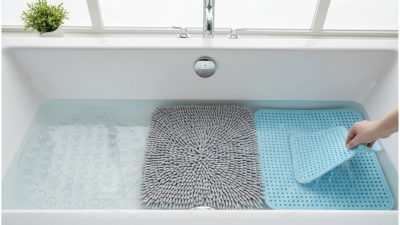
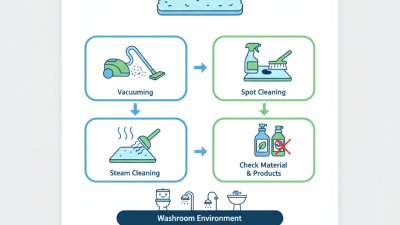
Cleaning routines strongly influence material choices. Machine-washable designs appeal to busy families, while smooth surfaces may suit homes with frequent disinfecting. However, “easy to clean” is not always enough. Some backings crack after repeated hot washes, and dense fibers can dry slowly indoors. Product evaluations should include washing tests, drying time, odor checks, and edge inspection. In comparative checks, measurements sometimes look reliable but fail after several weeks of use. That is worth admitting.
Price remains important, but buyers increasingly compare service life with the initial cost. Clear size information helps prevent poor fits around toilet bases and doors. Packaging also matters when shipping globally, because compressed mats may arrive creased or miss their stated dimensions. Preferences vary by region, yet reliable performance, safe movement, and honest product information remain practical decision factors.