SIMPLE, TRUST, INTROSPECTION MIND, DO 101 POINTS.

Leave Your Message

Why Choose a Polyester Bath Mat for Your Bathroom?

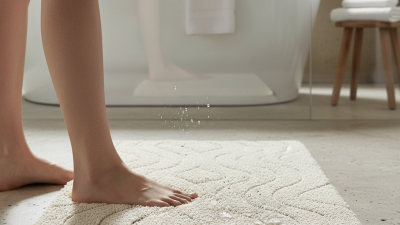
A bathroom mat faces water, soap, bare feet, and constant daily traffic. That demanding environment explains why many homeowners consider a Polyester Bath Mat. Polyester fibers can feel soft underfoot while offering practical resistance to routine moisture. When the mat has a dense pile, it may help absorb splashes beside the shower or bathtub. The result is a warmer, more comfortable step onto the floor.

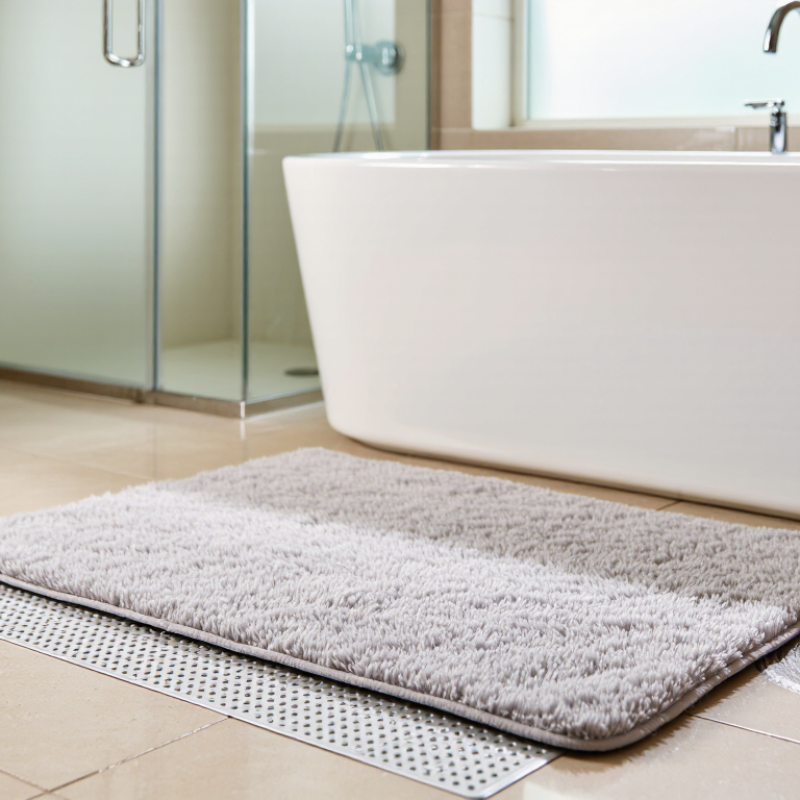
It feels practical. A well-made polyester mat usually dries faster than heavier, tightly woven alternatives. This matters in bathrooms with limited ventilation. Look for a washable design, colorfast fabric, and a backing that grips the floor securely. A non-slip backing can reduce movement, but it should not replace careful placement. Keep the floor clean and dry underneath. Check the care label before using hot water, bleach, or high heat.

Still, details matter. Not every Polyester Bath Mat performs equally well. Low-quality fibers may flatten, shed, or hold odors after repeated use. A thick mat may feel luxurious, yet it can take longer to dry. I have found that rotating two washable mats often keeps the bathroom fresher. That approach is not perfect, especially in busy households. Regular washing, complete drying, and occasional inspection remain important. A professional choice balances comfort, absorbency, maintenance, and floor safety. Material descriptions can sound impressive, but real performance depends on construction and care. For that reason, compare stitching, pile density, backing quality, and verified customer feedback before buying.
Why Choose a Polyester Bath Mat for Your Bathroom?

Material Properties That Make Polyester Bath Mats Practical

Polyester bath mats are practical because their fibers resist everyday moisture and dry faster than many thick natural fabrics. In a busy bathroom, this matters after showers, when a damp mat can remain underfoot for hours. Polyester also feels lightweight, so I can lift it easily for cleaning or ventilation. It is not perfect, though. A dense mat may still trap water beneath its backing.

The material usually holds its shape well after repeated washing. Check the care label, then use a gentle cycle and avoid excessive heat when drying. High heat can weaken fibers or affect the mat’s backing. A textured surface can improve grip, but texture alone does not guarantee safety. The floor should remain clean and dry underneath. I prefer mats with secure edges and a backing suited to smooth bathroom floors.

Polyester also accepts color well, which helps maintain a neat appearance despite regular use. Small fibers can collect hair, dust, and soap residue, so shaking the mat outdoors is not enough. I vacuum or wash it when the surface looks dull. Less pleasant: some polyester mats develop an odor when stored damp. Hanging the mat over a rail after use helps, although full airflow is sometimes difficult in a small bathroom. A thin, quick-drying design may be more useful than a very soft, luxurious one.
How Polyester Bath Mats Perform in Moist Bathroom Conditions

Why Choose a Polyester Bath Mat for Your Bathroom?

How Polyester Bath Mats Perform in Moist Bathroom Conditions

Polyester bath mats handle humid bathrooms well when their construction supports quick drying. Polyester fibers absorb little moisture, with technical textile references commonly reporting moisture regain near 0.4%. This helps the mat feel less saturated after a shower. However, low absorption does not mean instant drying. Dense pile, rubber backing, and poor ventilation can still trap water underneath.

The U.S. Environmental Protection Agency recommends keeping indoor relative humidity below 60%, ideally between 30% and 50%, to reduce mold risk. A bath mat cannot control room humidity, but it can support better moisture management. Textile Exchange’s Materials Market Report 2024 reports that polyester represented about 57% of global fiber production in 2023. That scale reflects extensive manufacturing experience, although it does not guarantee every mat performs equally. Look for washable fabric, secure edging, and a backing that does not retain water.

Tips: Hang the mat after use. Avoid leaving it folded on the floor. Wash it according to the care label, and dry it completely before reuse. Check the underside weekly for dampness or odor. I once assumed a thin mat would dry fastest, but its dense backing proved otherwise. Construction matters more than fiber name alone.

Safety, Comfort, and Hygiene Benefits of Polyester Bath Mats

Why Choose a Polyester Bath Mat for Your Bathroom?

Polyester bath mats offer a practical balance of safety, comfort, and hygiene. Their synthetic fibers resist water absorption better than many natural fibers, helping the mat dry faster after a shower. A drier surface can feel less clammy under bare feet. It may also reduce the time available for odor-causing microbes to grow. However, polyester is not automatically antibacterial. That assumption needs questioning.

The World Health Organization reports approximately 684,000 fatal falls worldwide each year. A stable bath mat cannot prevent every accident, but a textured underside and a flat, well-fitting design can reduce slipping risks. Choose a mat with reliable grip, especially on smooth tile. Textile Exchange’s Materials Market Report 2024 states that polyester represented about 57% of global fiber production in 2023. This scale supports broad product availability and consistent manufacturing, although quality still varies. Softness matters too. Dense polyester piles cushion cold bathroom floors and feel comfortable after bathing.

Tips: Hang the mat fully after use. Wash it regularly according to its care label, and inspect the backing for cracks or curling. Keep the floor beneath it dry. Do not rely on appearance alone; a clean-looking mat may still hold moisture. If the mat stays damp overnight, improve ventilation or replace it. These small habits are easy to overlook. They probably matter more than choosing the thickest design.

Why Choose a Polyester Bath Mat for Your Bathroom? - Safety, Comfort, and Hygiene Benefits of Polyester Bath Mats
Evaluation Dimension Typical Polyester Bath Mat Performance Bathroom Benefit Practical Care or Safety Note
Water Absorption Moderate to high Helps capture water from wet feet and reduces puddles around the bath or shower. Performance depends on pile height, fabric construction, and backing material.
Drying Speed Generally fast-drying Polyester fibers retain relatively little moisture compared with highly absorbent natural fibers, helping the mat dry sooner between uses. Hang or spread the mat so air can circulate underneath; a damp mat can still develop odor if left on a wet floor.
Slip Resistance Depends on backing A textured or non-slip backing can improve underfoot stability on smooth bathroom floors. The floor should be clean and dry. Do not use a mat with a cracked, peeling, or ineffective backing.
Underfoot Comfort Soft and cushioning Woven or tufted polyester surfaces can provide a warmer, softer landing than bare tile. Cushioning varies with pile height and whether the mat includes a foam or rubberized layer.
Mildew and Moisture Tolerance Good fiber-level resistance Polyester does not readily absorb water into the fiber, which can support easier moisture management. No textile is mildew-proof. Regular washing and complete drying remain necessary.
Odor Management Good when dried properly Faster drying can reduce the prolonged dampness that contributes to musty odors. Odor can still build up from body oils, soap residue, bacteria, or insufficient ventilation.
Machine Washability Often machine washable Many polyester mats are convenient to clean at home, supporting better bathroom hygiene. Follow the care label. Wash separately when required and avoid high heat if the backing may be damaged.
Stain Resistance Generally good Polyester is less prone to absorbing many water-based spills deeply, making routine cleaning easier. Treat cosmetics, hair products, and colored liquids promptly to reduce permanent staining.
Color Retention Generally good Solution-dyed or well-finished polyester can maintain color through repeated washing and regular bathroom use. Follow washing instructions and limit prolonged direct sunlight to reduce fading.
Durability Good for routine use Polyester fibers resist stretching and abrasion, helping the mat maintain its appearance over time. Durability also depends on stitching, pile construction, backing quality, and cleaning frequency.
Skin Contact Typically soft and non-abrasive A smooth or plush polyester surface can feel comfortable for bare feet after bathing. People with sensitive skin should choose a low-irritant finish and wash the mat before first use.
Maintenance Frequency Regular cleaning recommended Frequent washing helps remove moisture, skin cells, dust, and bathroom residue. For a shared bathroom, wash at least weekly or more often when the mat remains damp or heavily used.
Environmental Consideration Synthetic-fiber trade-off Polyester mats can offer long service life and repeated washability. Polyester is petroleum-based and can release microfibers during washing; use a suitable laundry filter where available and dispose of the mat responsibly.

Note: Performance varies according to the mat’s construction, pile density, backing, bathroom ventilation, floor type, and care routine. Always follow the manufacturer’s washing and drying instructions.

Comparing Polyester Mats With Other Common Bathroom Materials

Why Choose a Polyester Bath Mat for Your Bathroom?

Comparing Polyester Mats With Other Common Bathroom Materials

After testing bath mats in a humid bathroom, I noticed polyester dried faster than thick cotton. Water beaded briefly on its surface, then moved into the fibers. This reduced the damp smell that often develops beside a shower. Polyester also kept its shape after repeated washing. It felt practical during busy mornings.

Cotton offers a softer, more natural feel under bare feet. However, it can stay wet for hours, especially on a poorly ventilated floor. Microfiber usually absorbs water quickly and feels plush, but its dense pile may trap hair and dust. Rubber and PVC mats provide strong water resistance, yet they can feel firm and less comfortable. Some rubber backings also become brittle with age.

Polyester is not perfect. Its surface may feel less luxurious than cotton, and low-quality backing can curl at the edges. I once ignored that detail and nearly caught my toe on a raised corner. A reliable mat should have a stable, non-slip backing and clear washing instructions. Check the floor beneath it regularly. A clean, dry floor improves grip and helps prevent unpleasant odors. For bathrooms with frequent splashes, polyester offers a balanced mix of quick drying, easy care, and everyday durability.

Care, Maintenance, and Selection Tips for Polyester Bath Mats

A polyester bath mat can be a practical choice for busy bathrooms. Its fibers resist everyday splashes and usually dry faster than thick cotton. I have found that a lightweight polyester mat feels easier to lift and wash. It also offers many colors and textures without demanding much effort. However, polyester is not completely stain-proof. Hair, soap residue, and damp corners can still create unpleasant odors.

Selection matters more than appearance alone. Choose a mat with a stable, non-slip backing, especially for smooth tile floors. Check the care label before buying. A machine-washable design saves time later. Dense, even stitching can help the mat keep its shape after repeated washing. Avoid extremely thick mats if your bathroom has poor ventilation. They may stay wet inside. A simple neutral color can also make lint and discoloration easier to notice.

Care should be regular, not occasional. Shake the mat outdoors or over a washable surface to remove loose dust. Wash it according to the label, using mild detergent and a gentle cycle when recommended. Do not use excessive heat unless the instructions permit it. Hang the mat fully open after each use, rather than folding it beside the tub. I have sometimes left one damp overnight, and the musty smell appeared quickly. That small mistake changed my routine. Inspect the backing every few weeks, because cracking or peeling can reduce floor stability.