Ultimate Guide to Bath Inserts Tips for Choosing the Best Fit for Your Bathroom
When it comes to transforming your bathroom into a sanctuary of comfort and style, selecting the right bath inserts is a crucial decision. Bath inserts not only enhance the visual appeal of your space but also provide the perfect blend of functionality and aesthetics. As you embark on this journey to upgrade your bathroom, understanding the various options available and how to choose the best fit for your needs will make all the difference.
In this ultimate guide, we will explore essential tips and considerations for selecting bath inserts that not only suit your personal style but also elevate the overall functionality of your bathroom. From materials and sizes to installation processes and maintenance, our comprehensive insights will help you navigate the myriad of choices, ensuring that your selection complements your unique taste and requirements. Dive in as we equip you with all the knowledge necessary to make an informed decision that aligns perfectly with your bathroom vision.
Factors Influencing Your Choice of Bath Inserts: Material and Design
When choosing the best bath insert for your bathroom, the material and design play pivotal roles in your decision-making process. Various materials such as acrylic, fiberglass, and cast iron each have unique qualities that can influence both aesthetics and functionality. Acrylic inserts offer a lightweight option that is easy to install and resistant to chipping, making them popular for modern bathrooms. On the other hand, cast iron provides durability and excellent heat retention, adding a touch of vintage elegance but with a heftier installation challenge. Consider the material's ease of maintenance and lifespan to ensure it meets your long-term needs.
Design is equally important when selecting bath inserts, as it ties into the overall theme and flow of your bathroom. Depending on your space, you may prefer a sleek, minimalist design for small bathrooms, or a more ornate style for larger, luxurious spaces. Color and texture also contribute significantly to the design; a smooth, glossy surface can create a contemporary feel, while matte finishes can evoke tranquility and warmth. It’s essential to visualize how these design elements will integrate with existing fixtures, lighting, and decor in your bathroom, ensuring harmony and appeal. Choosing the right combination of material and design will ultimately enhance your bathing experience and elevate the overall ambiance of your bathroom.
Understanding Bath Insert Sizes: Ensuring a Perfect Fit for Your Space
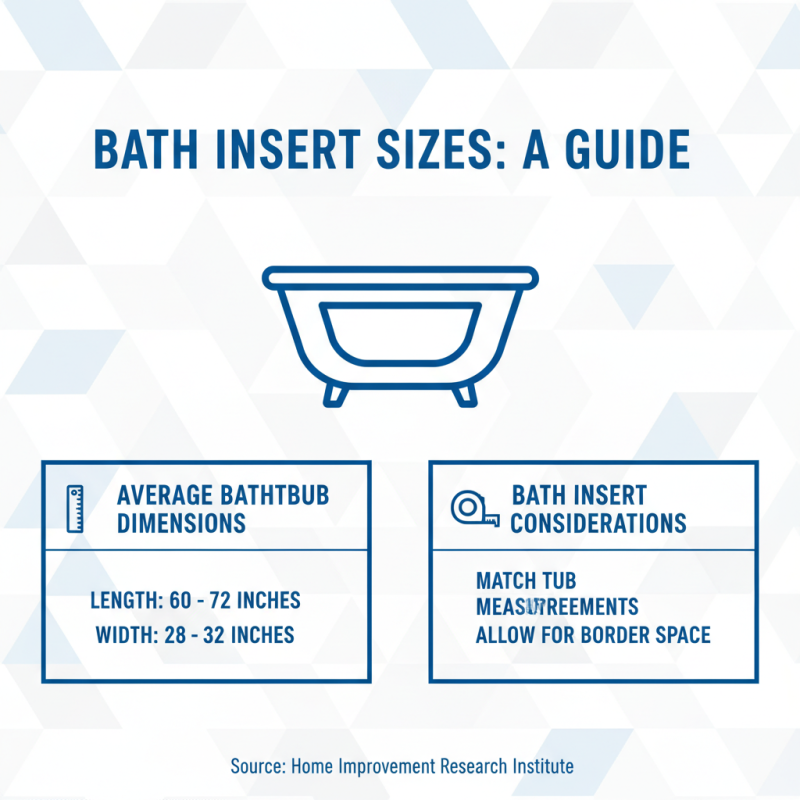
When selecting a bath insert, understanding the sizes available is crucial to ensure a seamless fit within your bathroom space. According to the Home Improvement Research Institute, the average bathtub dimensions range from 60 to 72 inches in length and 28 to 32 inches in width. This variation directly impacts the size of bath inserts, which are typically designed to accommodate these standard measurements. For homeowners, it is essential to measure both the length and width of the existing bathtub accurately, factoring in any additional space needed for the insert’s borders.
Moreover, it is also important to consider the depth of the tub. The National Kitchen & Bath Association reports that the standard depth of bathtubs averages between 14 to 20 inches. Different inserts have varying depths, which can affect water depth and overall bathing experience. Additionally, many manufacturers provide customizable options, allowing for adjustments that cater to non-standard tub shapes or sizes. Therefore, accurately measuring both dimensions and depths ensures that homeowners can not only choose an insert that fits well but also enhances the overall aesthetic and functionality of their bathroom space.
Top Bathroom Trends: Popular Styles and Features of Bath Inserts
When it comes to choosing bath inserts, understanding the latest bathroom trends is crucial. According to a report by the National Kitchen and Bath Association, 58% of homeowners are opting for more modern and sleek designs, with acrylic and composite materials becoming increasingly popular due to their durability and ease of maintenance. Additionally, freestanding inserts continue to gain traction, providing a luxurious feel and enhancing the spa-like atmosphere many homeowners desire. The trend towards customizable features is also on the rise, allowing users to select sizes, shapes, and finishes that best suit their bathroom aesthetics.
Tips for selecting the right bath insert include considering the overall size of your bathroom. Space planning is vital; a compact area may benefit from a corner tub insert, while larger spaces can accommodate extravagant freestanding options. Additionally, think about your bathing habits and lifestyle; for instance, if you prefer soaking baths, a deeper insert can provide the ultimate relaxation experience. Lastly, evaluate the installation process. Some inserts are more straightforward to install than others, and understanding this could save both time and money.
With the bathroom emerging as a personal retreat, integrating features like built-in shelves and non-slip surfaces into bath inserts has become common. According to market research from Houzz, nearly 40% of renovation projects now include smart features, such as integrated lighting and water-saving fixtures. These innovations not only enhance functionality but also contribute to energy efficiency, making it easier to create an inviting and environmentally friendly space.
Ultimate Guide to Bath Inserts: Tips for Choosing the Best Fit for Your Bathroom
| Feature |
Details |
Benefits |
| Material |
Acrylic, Fiberglass, Porcelain |
Durability, Easy Maintenance, Various Designs |
| Style |
Freestanding, Alcove, Corner, Drop-in |
Aesthetic Variety, Space Optimization, Modern Appeal |
| Size |
Standard (60x30 in), Oversized (72x36 in) |
Comfort, Fit for Various Spaces |
| Color Options |
White, Beige, Baby Blue, Custom Finishes |
Customization, Enhanced Decor |
| Installation Type |
Drop-in, Undermount, Alcove |
Ease of Installation, Flexibility with Space |
Cost Analysis: Evaluating Price vs. Quality in Bath Inserts
When considering bath inserts, a critical factor to evaluate is the balance between cost and quality. While it may be tempting to opt for the cheapest option available, it's essential to understand that lower prices can often lead to trade-offs in durability, safety, and overall performance. Investing in a higher-quality bath insert may have a more substantial upfront cost, but it generally pays off in longevity and fewer maintenance issues over time. Consumers should assess their specific needs and how frequently the insert will be used to make an informed decision.
Furthermore, various materials, designs, and features contribute to the overall expense of bath inserts. For instance, inserts made from high-quality acrylic or fiberglass tend to be more expensive than those made from lower-grade materials, but they provide better insulation and are more resistant to stains and scratches. Prospective buyers should consider how each type aligns with their bathroom aesthetic and practical needs. By carefully evaluating these elements and weighing them against their budget, consumers can ensure they select a bath insert that not only fits their financial parameters but also enhances their bathing experience for years to come.
Maintenance Tips for Bath Inserts: Longevity and Care Best Practices
When it comes to maintaining bath inserts, proper care can significantly enhance their longevity and aesthetic appeal. Regular cleaning is crucial; a report from the American Institute of Architects indicates that maintaining a pristine environment can extend the lifespan of bathroom fixtures by up to 30%. Utilize gentle, non-abrasive cleaners to prevent scratching, and always rinse thoroughly to avoid buildup that can lead to discoloration or degradation over time.
Additionally, pay attention to the installation conditions. A report by the Home Improvement Research Institute found that improper sealing and moisture control can lead to serious mold issues, which is not only unsightly but can also compromise the structural integrity of the insert. To combat this, ensure that the area is well-ventilated, and consider using a dehumidifier if moisture levels are high.
Tips for maintaining your bath insert include checking for minor cracks or chips periodically; addressing these issues early can prevent more extensive damage. Furthermore, regularly inspect the caulking around the edges, replacing it as needed to avoid water leakage and subsequent mold growth. By integrating these practices into your routine, you can keep your bath insert looking fresh and functioning well for years to come.