Ultimate Tips for Choosing the Perfect Bathroom Floor Mats for Your Home
When it comes to creating a comfortable and stylish bathroom environment, the choice of Bathroom Floor Mats plays a crucial role. According to a recent report by the Home Textile Association, the bathroom mat market has seen a significant growth of 8% annually, reflecting an increasing consumer demand for both functionality and aesthetics. This trend highlights the importance of carefully selecting the perfect floor mats that not only enhance the decor but also provide safety and comfort.
Industry expert, Dr. Emily Carter, a renowned interior design consultant, emphasizes that "the right Bathroom Floor Mats can transform a space, adding warmth and character while ensuring safety in potentially slippery areas." This statement resonates with many homeowners looking to invest in bathroom essentials that combine quality and design. As we delve into the ultimate tips for choosing the perfect Bathroom Floor Mats for your home, it’s essential to consider factors such as material, size, and style to achieve the optimal blend of beauty and practicality in your bathroom.
Understanding the Importance of Bathroom Floor Mats in Home Decor
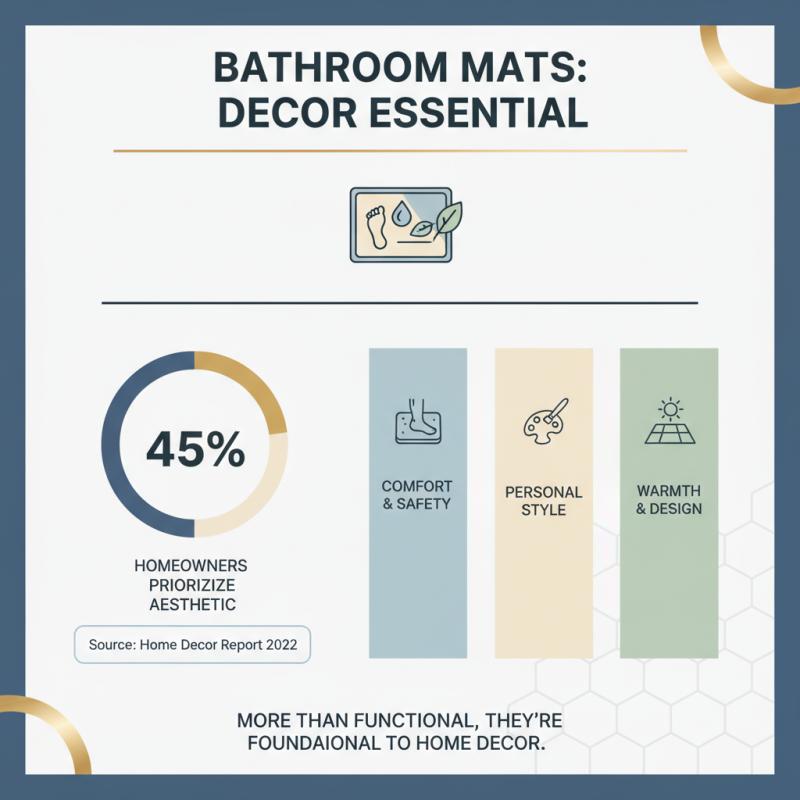
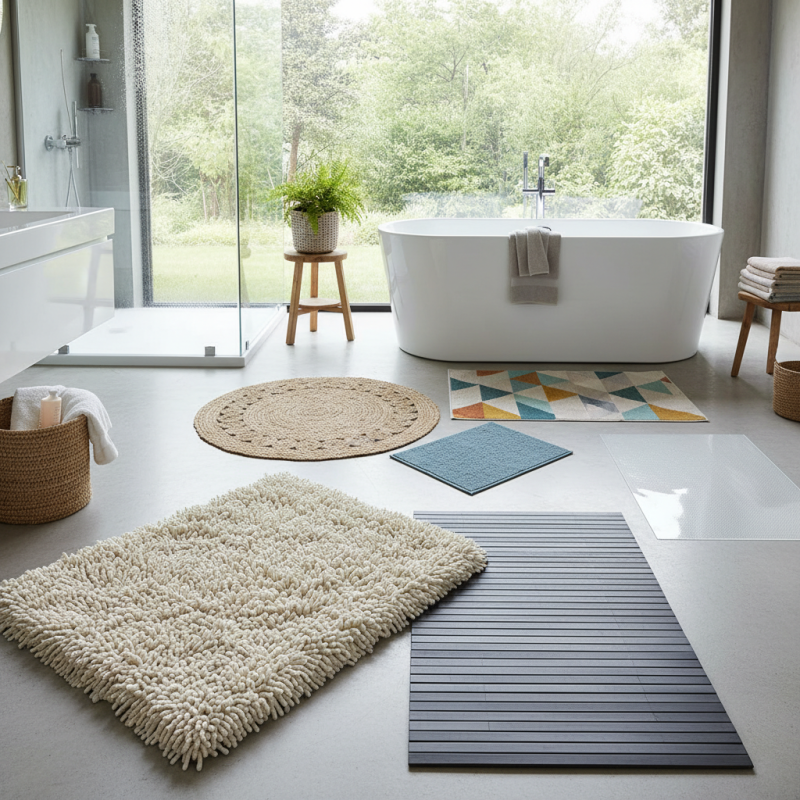
Bathroom floor mats play a pivotal role in home decor, transcending mere functionality to enhance the overall aesthetic of a space. According to the Home Decor Report 2022, 45% of homeowners consider bathroom accessories, including floor mats, as essential elements that contribute to the visual appeal of their bathrooms. These mats not only provide comfort and slip-resistance but also serve as a canvas for personal style. Their versatility in design—ranging from contemporary to vintage—allows homeowners to express their tastes while adding warmth to an otherwise cold tile floor.
Moreover, the importance of bathroom floor mats extends beyond aesthetics; they also play a crucial role in hygiene and safety. The National Floor Safety Institute reports that slip and fall accidents account for over 8 million hospital emergency room visits annually, with wet bathroom floors being a significant risk factor. Incorporating quality floor mats can significantly reduce this risk by offering a secure surface and absorbing excess moisture. Furthermore, investing in mats made from materials with antimicrobial properties can help mitigate the growth of mold and mildew, contributing to a healthier bathroom environment. Thus, the thoughtful selection of bath mats can elevate the decor while ensuring the safety and comfort of all who use the space.
Factors to Consider When Selecting Bathroom Floor Mats for Your Space
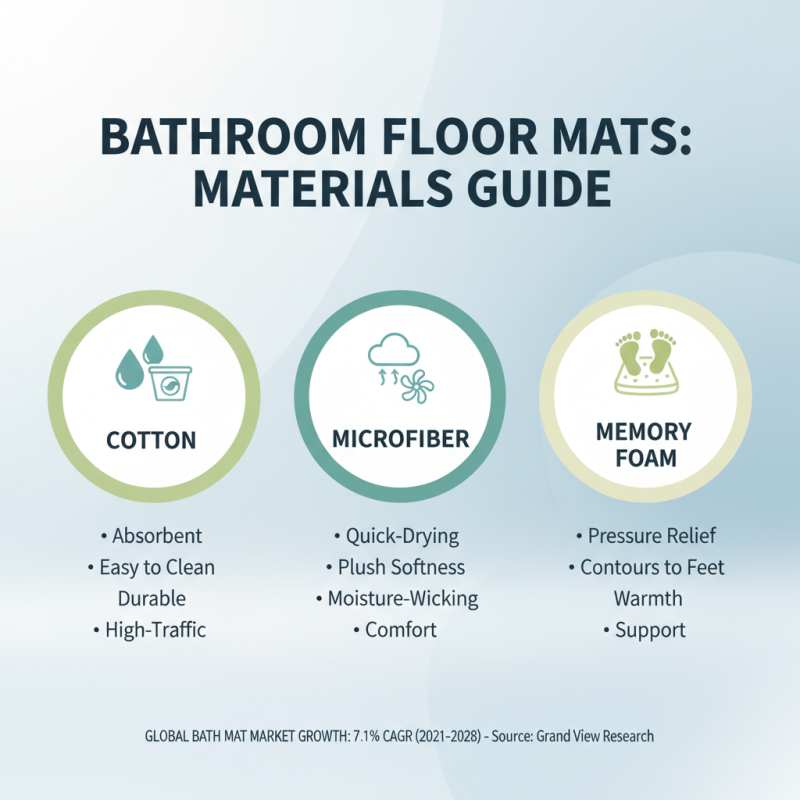
When selecting bathroom floor mats, several key factors should be taken into consideration to ensure both functionality and aesthetics. One of the primary aspects to evaluate is the material of the mat. Options such as cotton, microfiber, and memory foam each offer unique benefits. Cotton mats are absorbent and machine washable, making them practical for high-moisture environments. Microfiber mats, on the other hand, dry quickly and often provide a plush feel underfoot. Memory foam mats are recognized for their comfort, and they can alleviate fatigue during prolonged standing.
Another crucial element to consider is the size and shape of the bathroom floor mat. Mats should fit comfortably within the space without overcrowding the area. Measuring the space beforehand can help in choosing a mat that complements the layout. Additionally, colors and patterns play a significant role in enhancing the overall bathroom décor. Opt for shades that harmonize with existing fixtures and tiles, and consider patterns that reflect personal style while maintaining a cohesive look. Evaluating these factors will lead to better choices that enhance both the practicality and design of your bathroom.
Ultimate Tips for Choosing the Perfect Bathroom Floor Mats for Your Home
| Factor |
Description |
Material Options |
Maintenance |
Style/Design |
| Water Absorption |
Ability to soak up water to prevent slipping |
Microfiber, Cotton |
Washable, Quick-drying |
Variety of colors and patterns |
| Durability |
Longevity of mat under wet conditions |
Rubber, Synthetic fibers |
Easy to clean, Resistant to mold/mildew |
Modern designs, Textured surfaces |
| Non-slip Feature |
Prevents slipping while stepping on or off |
Latex backing, Anti-slip textiles |
Regular inspection for wear |
Coordinating theme with bathroom décor |
| Size & Shape |
Fits the intended area comfortably without being bulky |
Rectangular, Round, Custom options |
Vacuum or shake to clean |
Personal style preference and room size |
| Eco-friendliness |
Sustainability of materials used |
Bamboo, Recycled materials |
Biodegradable options |
Natural aesthetics |
Material Choices for Optimal Comfort and Durability in Floor Mats
When selecting bathroom floor mats, the choice of materials plays a crucial role in ensuring both comfort and durability. The most commonly recommended materials include cotton, microfiber, and memory foam, each with unique attributes that cater to various needs. According to a market analysis by Grand View Research, the global bath mat market is projected to grow at a compound annual growth rate of 7.1% from 2021 to 2028, indicating a rising demand for high-quality, comfortable floor mats. Cotton mats are favored for their absorbency and easy maintenance, making them ideal for high-traffic bathrooms. Microfiber, on the other hand, is known for its quick-drying capabilities and softness, providing a plush feel underfoot without retaining excess moisture.
In terms of durability, rubber-backed mats are an excellent option, as they help prevent slipping and ensure that the mat stays in place, reducing the risk of accidents. A study by the National Floor Safety Institute found that proper mat choices could decrease slip-and-fall incidents by up to 70%. Furthermore, environmental considerations are becoming increasingly important for consumers; eco-friendly materials such as bamboo and recycled fibers are gaining traction. As consumers become more aware of sustainable practices, manufacturers are innovating to produce mats that are not only comfortable and durable but also environmentally responsible.
Design and Color Options to Complement Your Bathroom Aesthetics
When selecting bathroom floor mats, the design and color options play a critical role in enhancing your overall bathroom aesthetics. According to the National Kitchen and Bath Association, over 50% of homeowners prioritize aesthetics when choosing bathroom accessories, highlighting the importance of floor mats as both functional and decorative elements. Soft, plush mats in muted colors can create a serene environment, while bold patterns can serve as statement pieces to liven up the space. Earth tones, such as taupe and sage green, are particularly popular, aligning with the growing trend of biophilic design, which emphasizes natural elements in home decor.
In addition to color, the design of your bathroom floor mat should complement existing fixtures and styles. For a minimalist space, consider mats with clean lines and subtle textures that contribute to a cohesive look without overwhelming the senses. As per a recent consumer trends report, nearly 65% of homeowners prefer mats that mirror the aesthetics of their tiles and vanities, creating a harmonious connection throughout the room. On the other hand, if your bathroom features vintage or farmhouse elements, look for mats with intricate designs or rustic patterns that add warmth and character. By thoughtfully selecting the right color and design, your bathroom floor mats can transform a simple space into a stylish oasis that reflects personal taste and enhances comfort.
Bathroom Floor Mats Design and Color Options
Maintenance Tips to Keep Bathroom Floor Mats Fresh and Clean
Keeping your bathroom floor mats fresh and clean is essential for maintaining a hygienic space in your home. Regular maintenance not only prolongs the life of the mats but also ensures they remain visually appealing. Begin by shaking out the mats to remove loose dirt and debris. Depending on the material, vacuuming can also be an effective way to keep them clean. For deeper cleaning, check the care instructions to determine if they are machine washable. If they are, laundering them every few weeks can significantly help in removing stubborn stains and odors.
In addition to regular washing, consider using natural cleaning solutions to treat your bathroom mats. A mix of vinegar and water can be applied to tough stains, helping to eliminate bacteria without harsh chemicals. After cleaning, ensure the mats are thoroughly dried before placing them back on the floor, as dampness can lead to mold and mildew growth. Rotate your mats periodically or place them in direct sunlight occasionally; this not only helps to maintain their color but also ensures any lingering moisture evaporates, keeping them fresh over time.