Bathtub Carpet Tips for Choosing and Maintaining Them?
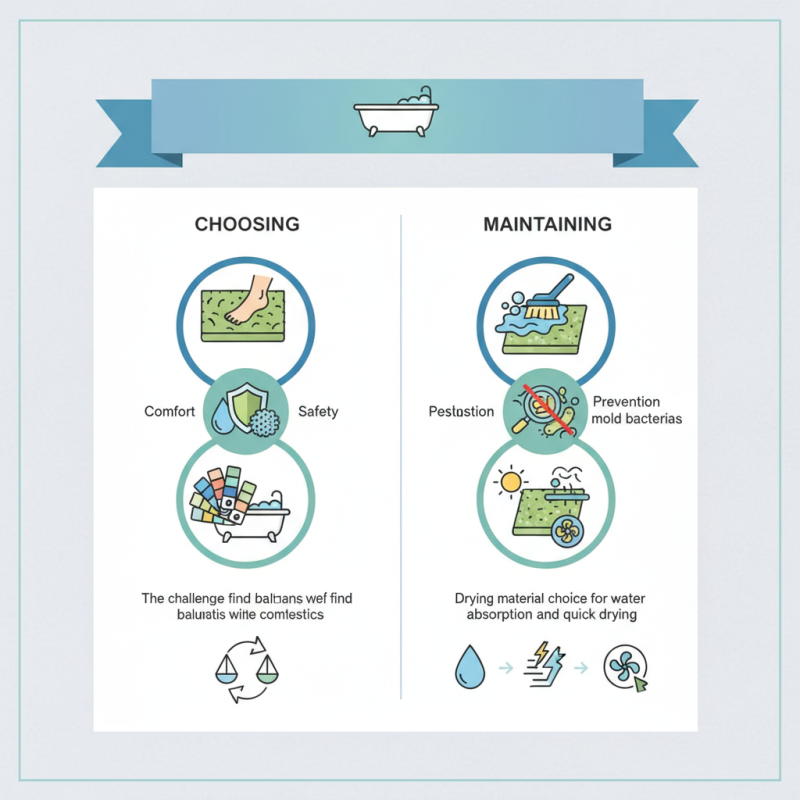
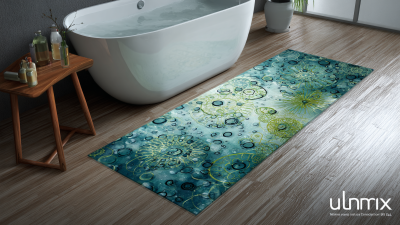
Choosing the right Bathtub Carpet can transform your bathroom experience. According to John Stevens, a renowned expert in home decor, "A good bathtub carpet enhances comfort and safety." Bathtub Carpets are not just about style; they serve practical purposes. They provide a soft surface and reduce slip risks.
Maintaining your Bathtub Carpet is essential. Regular cleaning can prevent mold and mildew buildup, which is a common concern. However, many overlook this aspect. It's not just about visual appeal; it's about health. A stained or dirty carpet can hide more than just dirt. It can harbor bacteria too.
Think about the materials used in your Bathtub Carpet. Some options absorb water better than others. Others dry faster, reducing the chances of odor. Yet, finding the right balance is challenging. Comfort, safety, and aesthetics must coexist. Make thoughtful choices to enjoy your Bathtub Carpet fully.
Choosing the Right Material for Bathtub Carpets
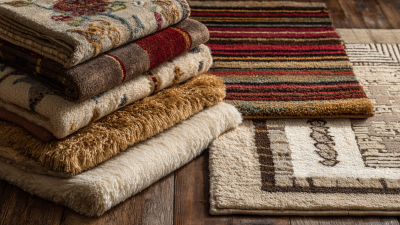
When selecting materials for bathtub carpets, you should focus on water resistance, softness, and durability. A report from the Home Improvement Research Institute highlights that about 37% of homeowners choose synthetic fibers due to their mold resistance. These materials can effectively repel moisture and prevent slips.
Cotton is another popular choice, providing comfort. However, it is essential to note that cotton absorbs water and can harbor bacteria if not maintained properly. A staggering 48% of users report issues with mildew growth in cotton carpets after several months of use. Regular cleaning is crucial, yet many overlook this step.
Consider the carpet's backing as well. Non-slip options help improve safety. Unsecured carpets pose a higher risk of accidents, as revealed in a safety survey indicating that 41% of bathroom injuries occur due to slipping. The right material matters significantly. Prioritizing both aesthetic appeal and functionality should guide your choices.
Understanding Size and Shape Options for Bathtub Carpets
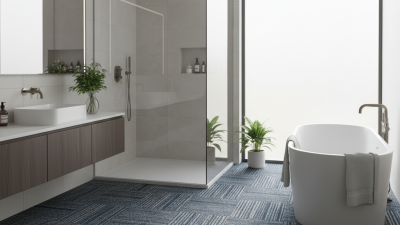
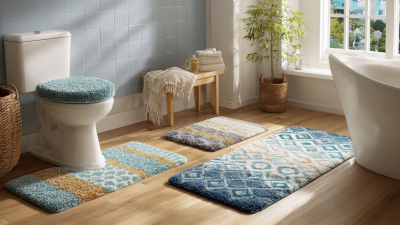
When it comes to bathtub carpets, size and shape are crucial. Carpets come in various dimensions, so measure your bathtub area carefully. A small carpet may not cover enough space, leading to slips. Conversely, a carpet that's too large can look out of proportion. Aim for a balance that fits well within your bathroom’s layout.
Shape is another important factor. Common shapes include rectangular, oval, and even custom designs. Rectangular carpets fit straight edges, while oval carpets can soften the space. Think about how each shape interacts with your bathtub and surroundings. An odd shape may seem creative, but it might clash with other elements in your bathroom.
Consider the cleaning process as well. Not all carpets are machine washable. Some might require careful hand washing. This could make maintenance more challenging. Choose a size and shape that not only looks good but is also practical for upkeep. Reflect on how you use your bathroom daily before making a decision. Every detail matters in creating a safe, aesthetic environment.
Bathtub Carpet Size and Shape Options
Cleaning and Care Tips for Bathtub Carpets
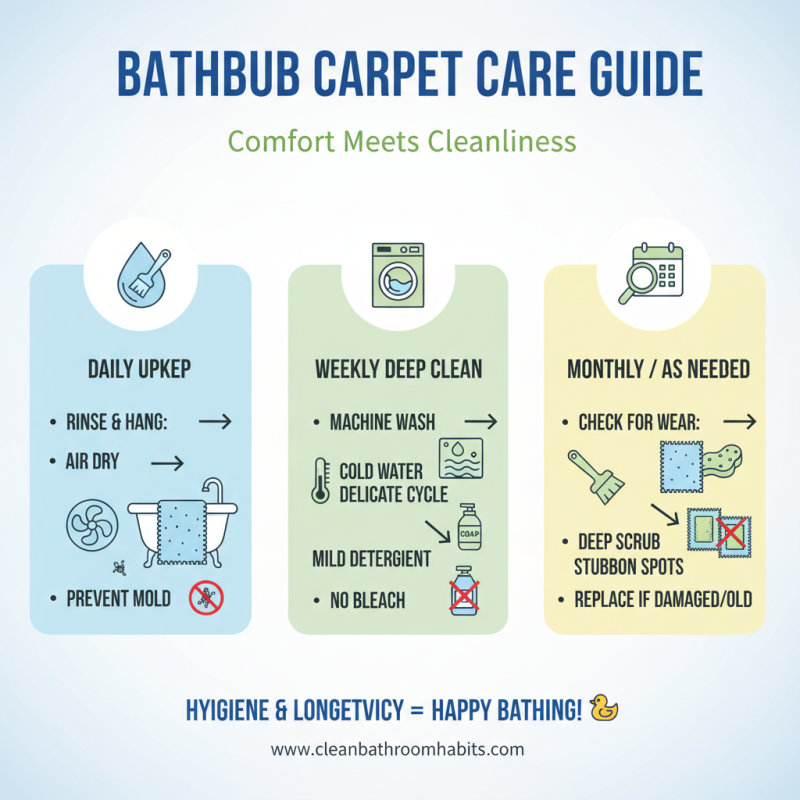
Bathtub carpets add a touch of comfort to your bathroom. However, keeping them clean can be a challenge. Regular maintenance is essential for hygiene and longevity.
Tips: Vacuum your bathtub carpet weekly. This removes hair and dust. In addition, shake it out to dislodge any trapped debris. For deeper cleaning, wash your carpet according to care instructions. You might want to use a gentle detergent. Be careful not to bleach the colors.
Cleaning your bathtub carpet does not require complicated steps. When washing, pay attention to any stains. Stains that are left too long can be tough to remove. Consider spot cleaning stains immediately for best results. After washing, let your carpet air dry completely. A damp carpet can lead to mold growth, and that’s a concern.
Avoiding Mold and Mildew in Bathtub Carpets
Bathtub carpets add comfort, but they can harbor mold and mildew. Regular cleaning is essential. Use a mixture of water and vinegar to tackle stubborn stains. Scrubbing with a soft brush can help lift dirt without damaging the fabric.
Ventilation is crucial in preventing mold growth. Open a window or use an exhaust fan after baths. This simple act reduces moisture in the air. Even after washing, ensure the carpet dries completely. Leaving it damp invites unwanted fungus.
Consider rotating your carpets. This helps balance wear and tear. It allows some time for cleaning and drying in between uses. Don't hesitate to replace a heavily soiled carpet. It's better to invest in your health than to keep something that could cause allergies or respiratory issues.
Best Practices for Securing Bathtub Carpets in Place
When it comes to securing bathtub carpets, attention to detail is crucial. The bathroom can be slippery due to water and soap, making safety a priority. According to a study by the National Safety Council, over 200,000 bathroom-related injuries occur annually in the U.S. Many of these are due to slipping on wet surfaces. Properly securing your bathtub carpet can prevent such accidents.
Using non-slip backing is one effective method. Carpets designed with rubber backing help grip the slippery surface of the tub. This provides stability and reduces the risk of sliding. It’s also essential to ensure that the carpet fits well within the tub. A carpet that is too large could bunch up and create hazards. Regular checks are needed to confirm that the carpet remains in place, as moisture can sometimes weaken its grip.
Additionally, consider using carpet adhesive strips for extra security. These strips can hold the carpet firmly, especially during vigorous use. Experiment with different placements to find the most effective layout. If the carpet continues to move despite your efforts, it may indicate an improper fit. Reflecting on your choices and adapting is key to maintaining a safe environment.