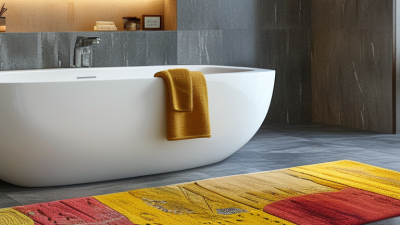
How to Choose the Best Bathroom Rug for Your Home in 2026?
Choosing the best Bathroom Rug in 2026 means balancing comfort, safety, hygiene, and lasting value. A beautiful rug is not automatically practical. It may feel soft in a showroom, yet remain damp beside your shower. The right choice depends on your floor type, bathroom size, washing routine, and household needs.
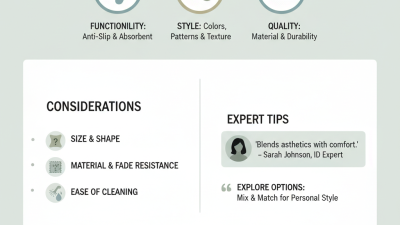
Debra Johnson, a cleaning expert associated with Merry Maids, advises, “A bath mat should be washed regularly and dried completely between uses.” That simple principle remains important. A Bathroom Rug should absorb water quickly, dry without a musty smell, and stay stable on smooth tile. Look for tightly woven cotton, quick-drying microfiber, or responsibly sourced materials with clear care instructions. Rubber or latex backing can improve grip, but it may deteriorate under heat, moisture, or frequent washing. Check it regularly.
Size matters more than many buyers expect. Measure the space before shopping. A 20-by-30-inch rug may suit a small sink, while a longer runner can protect the floor beside a double vanity. Leave doors and drawers moving freely. Safety comes first.
I once chose a thick, luxurious rug that stayed wet overnight. It looked impressive, but it failed in daily use. That mistake changed how I judge bathroom textiles. Texture, color, and design still matter, though they should support performance. In this guide, we will examine absorbency, drying speed, slip resistance, maintenance, sustainability, and value. Some recommendations may challenge popular choices. That is useful. The “best” Bathroom Rug is not universal; it is the one that works reliably in your actual bathroom.
Assess Your Bathroom’s Space, Layout, and Moisture Levels
How to Choose the Best Bathroom Rug for Your Home in 2026?
Choosing the right bathroom rug begins with studying the room, not browsing colors. Measure the clear floor area beside the sink, shower, and toilet. Leave enough walking room. A rug should not block the door or catch against cabinet edges. Check the door swing carefully, especially in compact bathrooms. I once chose a thick rug for a narrow room, and the door scraped its surface every morning. That mistake changed how I measure.
Layout also affects safety and comfort. A long runner may suit a double vanity, while a small mat works better beside a shower. Keep rug edges away from toilet bases and plumbing connections. These areas often collect hidden moisture. Fold the rug back and inspect the floor after bathing. Damp grout, dark corners, or a musty smell indicate poor drying conditions. Your bathroom is giving useful evidence.
Moisture levels should guide the rug’s construction. Bathrooms with weak ventilation need a low-pile, quick-drying rug with a stable backing. Avoid heavy styles that stay wet beneath the surface. In a well-ventilated room, a softer texture may be practical, but it still needs regular washing. Open the window or run the exhaust fan during showers. Place the rug where air can reach it. My own routine is imperfect; I sometimes forget to hang it up. A small hook near the shower makes that habit easier. Recheck the floor after two hours, not just immediately after use.
Compare Rug Materials for Comfort, Absorption, and Durability
Choosing a bathroom rug starts with the material, not its color. Your feet notice the difference immediately. Cotton feels soft and warm, especially after a shower, but it can hold moisture longer than expected. In a poorly ventilated bathroom, that damp feeling may become unpleasant. Microfiber dries faster and absorbs splashes efficiently. Its surface feels smooth rather than fluffy. That trade-off matters.
For comfort, thick cotton or memory-foam rugs provide gentle support near the sink. However, dense padding can trap water underneath. I once used a plush rug beside a bathtub, and the floor stayed damp after every bath. A thinner microfiber rug performed better because air moved around it. Bamboo and other plant-based materials feel firm and naturally airy, but they offer less cushioning and may become slippery when wet. Check the underside carefully.
Durability depends on construction as much as fiber. Look for tight stitching, reinforced edges, and a backing that remains stable after repeated washing. Cotton may shrink if washed with hot water. Microfiber can lose softness when exposed to high heat. Follow the care label, even when it seems overly cautious. I would also lift the rug daily in a humid room. This small habit helps the floor dry, although it is easy to forget. Test absorbency with a few drops of water before buying. The liquid should disappear quickly, without leaving a spreading wet patch.
Choose the Right Rug Size, Shape, and Placement
Bathroom rugs work best when their size follows the room’s wet zones, not just its open floor. Measure the vanity, toilet, and shower clearances before shopping. A 20-by-30-inch rug suits a compact sink area. Larger bathrooms may need a runner beside a double vanity. Leave several inches around doors and cabinets. I once chose a rug that looked generous online, but the door caught its edge every morning.
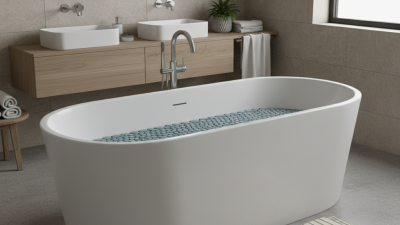
Shape should support movement and visual balance. Rectangular rugs suit long vanities and narrow layouts. A round rug can soften a powder room with a central sink. For a corner shower, a small square or curved mat may fit more safely than a long runner. Keep the rug flat, with a low profile and a non-slip backing designed for damp floors. Thick, plush piles feel comfortable, yet they can hold moisture and dry slowly.
Placement matters as much as dimensions. Center a runner with the vanity, but keep it away from the toilet base when possible. Place a bath mat just outside the shower, where wet feet land naturally. Avoid covering floor vents or blocking drawers. Test the swing of every door after placement. This step seems minor. It is not. Tile size, grout lines, and lighting can also change how large the rug appears, so tape the proposed outline on the floor for one day before buying.
How to Choose the Best Bathroom Rug for Your Home in 2026?
Choose the Right Rug Size, Shape, and Placement
Use a compact 20 × 30-inch rug beside a toilet or pedestal sink, a 24 × 36-inch rug for a single vanity, and a 27 × 45-inch or 30 × 50-inch rug for wider double-vanity areas. Rectangular rugs suit long vanities, while rounded or contoured shapes can improve clearance around curved fixtures. Keep doors and drawers able to open freely, and leave a small border of visible flooring around the rug.
Evaluate Safety Features, Backing, and Slip Resistance
How to Choose the Best Bathroom Rug for Your Home in 2026?
A bathroom rug should resist movement, not merely feel soft underfoot. The CDC reports that more than three million older adults receive emergency treatment for falls each year. Water, soap residue, and smooth flooring can make a small rug surprisingly hazardous. Choose a low-profile design with a full, continuous backing. Avoid loose corner tabs and thin edges that curl after washing.
Check the backing material against your floor type. Rubber or silicone can improve grip, but some products may stain vinyl or react poorly with natural stone. The surface must stay flat after repeated washing. It should also dry quickly, because damp backing can slide like a wet plate. I test a rug with a dry hand, then a damp hand, before trusting it near the shower.
Look for clear testing information rather than vague claims such as “non-slip.” ASTM and other flooring standards measure wet traction, but not every rug uses the same method. Ask whether the product was tested on wet flooring and under realistic foot pressure.
The World Health Organization identifies falls as a major global health concern, with about 684,000 fatal falls reported worldwide each year. A rug cannot remove every risk. Still, a secure backing, visible edge, and stable placement can reduce avoidable surprises. I still inspect mine weekly; the corners sometimes change after laundering.
Match Maintenance Needs, Style Preferences, and Budget
Choosing the best bathroom rug starts with maintenance, not color.
I look for a low-pile, quick-drying construction when the room lacks ventilation. Cotton feels comfortable, but it can stay damp after a busy morning. Synthetic fibers usually resist moisture better, though they may feel less natural underfoot.
The U.S. Environmental Protection Agency states that WaterSense showerheads use no more than 2.0 gallons per minute, saving at least 20% over standard models.
Lower water use helps, but splashes still reach the floor. Choose a washable rug with a stable, slip-resistant backing, and check its care label before buying. I prefer smaller pieces near the sink because they are easier to remove and dry.
This is not glamorous. It works.
Style should support the room’s existing surfaces.
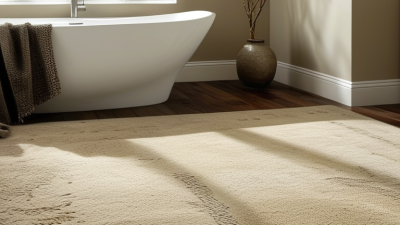
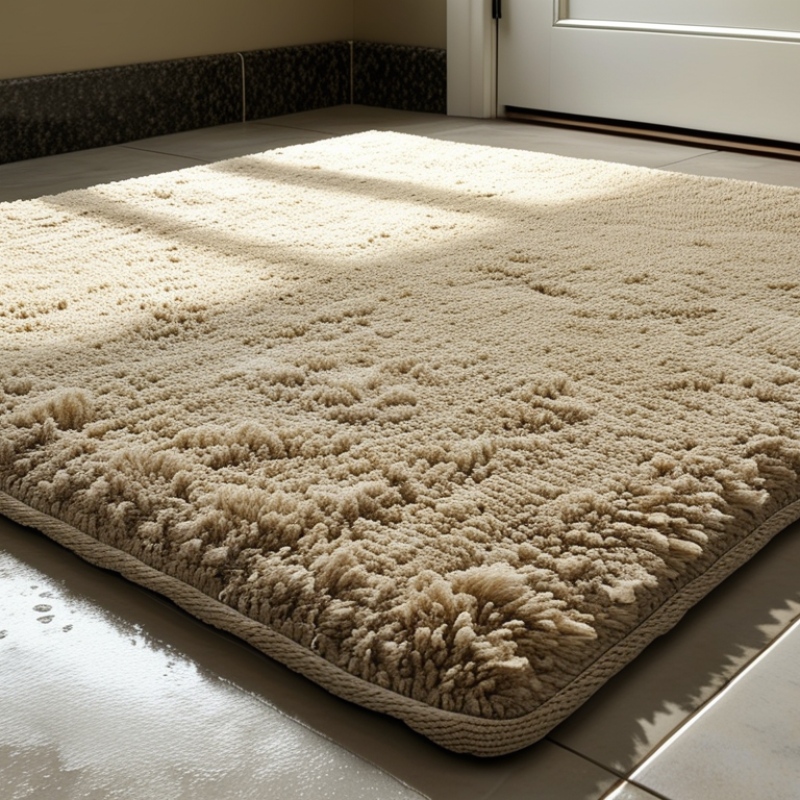
The 2024 NKBA Design Trends Report highlights natural materials, calming colors, and wellness-focused bathrooms. A muted beige or woven texture can soften hard tile without competing with it.
For a tighter budget, spend more on washable construction and less on decorative detail.
Houzz’s 2024 U.S. Bathroom Trends Study reports a median major bathroom remodeling spend of about $25,000, but a rug should not imitate that investment. I have sometimes chosen a beautiful thick rug and regretted it after repeated washing. A cheaper, replaceable option may be wiser in a high-traffic bathroom, especially when children or pets use it.