What is Flexible Intramedullary Nails and How Do They Work?
Flexible Intramedullary Nails are an innovative approach in orthopedic surgery. These devices are used for fracture fixation, especially in long bones. Dr. Emily Roberts, a renowned orthopedic surgeon, states, "Flexible Intramedullary Nails provide a less invasive option for complex fractures." This technique allows for better mobility and alignment during the healing process.
By utilizing these nails, surgeons can reduce recovery time. They apply minimal damage to surrounding tissues. However, there are potential challenges. Some patients may experience complications with nail placement or healing. It's essential to have a thorough discussion with healthcare providers before proceeding.
The design of Flexible Intramedullary Nails is fascinating. They are made from biocompatible materials, promoting acceptance by the body. Yet, the varying success rates across different cases highlight the need for further research. The balance between innovation and practicality remains a key focus in this field.
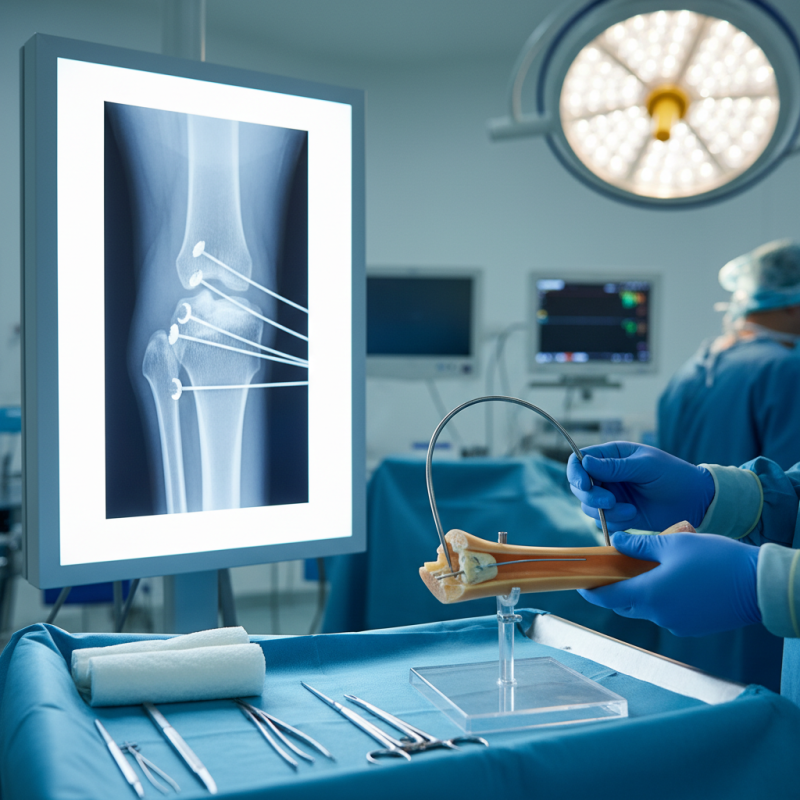
Understanding Flexible Intramedullary Nails: A Definition
Flexible intramedullary nails (FIN) are essential tools in orthopedic surgery. They provide stability while allowing for natural bone healing. Doctors often use them in treating fractures, especially in children. These nails are designed to bend and match the curvature of the bone. As a result, they minimize damage to surrounding tissues.
In a study published in the *Journal of Bone & Joint Surgery*, it was noted that FIN improved recovery times by approximately 30%. This is significant, especially for pediatric patients. Their unique design allows for some flexibility, reducing stress concentrations that lead to complications. However, the fit must be precise. Incorrect sizing may lead to ineffective support.
Tips: When considering FIN for treatment, communicate openly with your surgeon. Discuss all potential risks. Understand that while FIN can promote faster healing, they are not without drawbacks. Complications can occur, and continuous monitoring is necessary even after surgery. Each patient's situation is unique, and what suits one may not suit another. Flexibility in approach is crucial.
Principles of Functionality: How Flexible Intramedullary Nails Operate
Flexible intramedullary nails are essential in modern orthopedic surgery. They offer unique benefits, especially in treating fractures. These nails are usually made from flexible materials that allow for careful insertion into the medullary cavity of bones. As a result, they reduce the risk of complications compared to rigid fixation methods.
The principle of functionality lies in their design. The flexible nature allows for better alignment of the bone fragments. When inserted, the nail bends and adapts to the shape of the bone. This minimizes the risk of stress shielding, which can weaken surrounding bone. The specific sizing and design ensure a snug fit, helping stabilize the fracture during healing.
Tips: Proper technique in insertion is crucial. Surgeons should consider the patient's anatomy carefully. The use of fluoroscopy can guide accurate placement and reduce errors. The nails can sometimes be challenging to remove due to bone growth. Awareness of this can help during pre-surgery planning. Always reflect on the choice of materials used, as not all options are equally effective.
What is Flexible Intramedullary Nails and How Do They Work?
| Feature | Description |
| Material | Typically made from titanium or stainless steel for durability and biocompatibility. |
| Design | Flexible design allows for some bending during movement, enhancing comfort and stability. |
| Indication | Used primarily for treating fractures in long bones, especially in children and adolescents. |
| Insertion Method | Inserted into the medullary canal of the bone through minimal incisions. |
| Advantages | Minimally invasive, reduced risk of infection, preserved blood supply to the bone. |
| Limitations | May not be suitable for all types of fractures; requires careful patient selection. |
| Post-operative Care | Regular follow-ups to evaluate bone healing and ensure proper alignment. |
Applications in Orthopedics: Where Flexible Intramedullary Nails Are Used
Flexible intramedullary nails (FINs) play a critical role in orthopedic surgery. They are primarily used for fractures in children and adolescents. The design allows for a less invasive approach. This effectively reduces trauma to surrounding tissues. Reports indicate that the rate of complications is around 3-5%, which is relatively low. These nails help achieve strong bone fixation, leading to better healing outcomes.
One notable application is in the treatment of diaphyseal fractures. Studies show that FINs promote early mobilization. They also enable patients to resume activities sooner than traditional methods. An estimated 70% of patients experience minimal pain post-operation. However, improper placement can lead to complications, including malunion and nonunion. Surgeons need to be vigilant during the procedure to avoid these pitfalls.
Moreover, FINs are increasingly used for osteotomies and deformity corrections. In these cases, the flexibility of the nails allows for a correction in alignment without excessive stress. However, there remains a concern about the rigidity and the potential for failure under extreme conditions. Continuous research is essential to improve these devices further. There’s still room for innovation and prospective studies to assess long-term outcomes.
Applications of Flexible Intramedullary Nails in Orthopedics
Advantages Over Traditional Methods: Why Choose Flexible Intramedullary Nails?
Flexible intramedullary nails offer innovative solutions in fracture management. They are designed to support bone healing while allowing for natural movement. This method uses elasticity to reduce stress on the fracture site. Traditional methods often require extensive fixation. In contrast, flexible nails adapt to the bone’s unique curve. This adaptability promotes better alignment and reduces the risk of complications.
One advantage is the minimized incision. Smaller incisions mean less trauma to surrounding tissues. This leads to faster recovery times and reduced pain. Patients often experience fewer complications compared to rigid fixation. Enhanced comfort during healing is an essential factor for many individuals. However, not every fracture may be suitable for this method. Careful assessment is crucial to ensure the best outcomes.
Tips for successful recovery include following your doctor’s guidance. Engage in gentle movements as recommended. Listen to your body; don’t push through pain. Staying patient during the healing process is key. Address any concerns with your healthcare provider promptly. This collaboration can enhance your recovery journey.
Post-Operative Care: Managing Recovery with Flexible Intramedullary Nails
Post-operative care is crucial when using flexible intramedullary nails for bone fractures. These devices provide stability while allowing for movement and healing. Studies show a significant improvement in recovery speed with proper care. However, many patients underestimate the importance of following guidelines.
Effective management begins with pain control. Patients often feel discomfort during the early stages. Using recommended pain relief methods can enhance recovery. This may involve medication and holistic approaches like ice packs. A simple tip is to maintain a consistent schedule. This helps in managing discomfort effectively.
Physical therapy plays a vital role, too. Early movement stimulates circulation and prevents stiffness. Some patients might neglect their rehab exercises. This can delay healing. It’s recommended to set small, achievable goals for daily activities. Celebrate these mini accomplishments as progress.
Monitoring for signs of complications is essential. Look out for unusual swelling or persistent pain. These could indicate issues that require medical attention. Keeping a detailed recovery journal can aid in communication with your healthcare team. Remember, post-operative care is a partnership between the patient and the provider.