How to Clean Showers Carpet Effectively and Safely?
Cleaning a Showers Carpet can be daunting. The damp environment creates a perfect breeding ground for mold and mildew. Not to mention the accumulation of grime from daily use. It’s easy to overlook this area, but neglecting it can lead to unpleasant odors and unsightly stains.
Effective cleaning requires the right methods and products. Many people tend to use harsh chemicals, thinking it’s the best approach. However, these can damage the fibers of the carpet and may not be safe for your health. Choosing safer alternatives can be both effective and gentle.
It’s crucial to learn the best practices for maintaining your Showers Carpet. Regular cleaning can prevent bigger issues later on. Yet, it’s also a process that many may do incorrectly. A thoughtful approach to cleaning can make all the difference.
Understanding the Unique Challenges of Shower Carpet Cleaning
Cleaning shower carpets can be tricky. They are often made of materials that absorb moisture. This leads to mold and mildew growth. Regular vacuuming may not be enough. Many people overlook these problems until they become serious. A deeper clean is necessary.
One challenge is the water and soap residue. They cling to the fibers, creating an unclean appearance. It’s essential to use appropriate cleaning solutions that break down these residues. A soft brush can help lift dirt, but care is needed. You don’t want to damage the fibers. Sometimes, spots are missed, which can lead to persistent odors.
Additionally, drying is crucial. If the carpet remains damp, it invites more mold. Placing the carpet in a well-ventilated area aids drying. Some people choose to wash them in machines, which can risk wear and tear. Reflecting on your methods can unveil shortcomings that might need addressing. A proactive approach often yields better results.
Shower Carpet Cleaning Effectiveness
The chart above represents the effectiveness of various shower carpet cleaning methods, showcasing how each method ranks in cleaning efficiency. Regular maintenance, although necessary, has the lowest impact on cleaning levels compared to deep cleaning and steam cleaning methods.
Essential Tools and Supplies for Effective Shower Carpet Cleaning
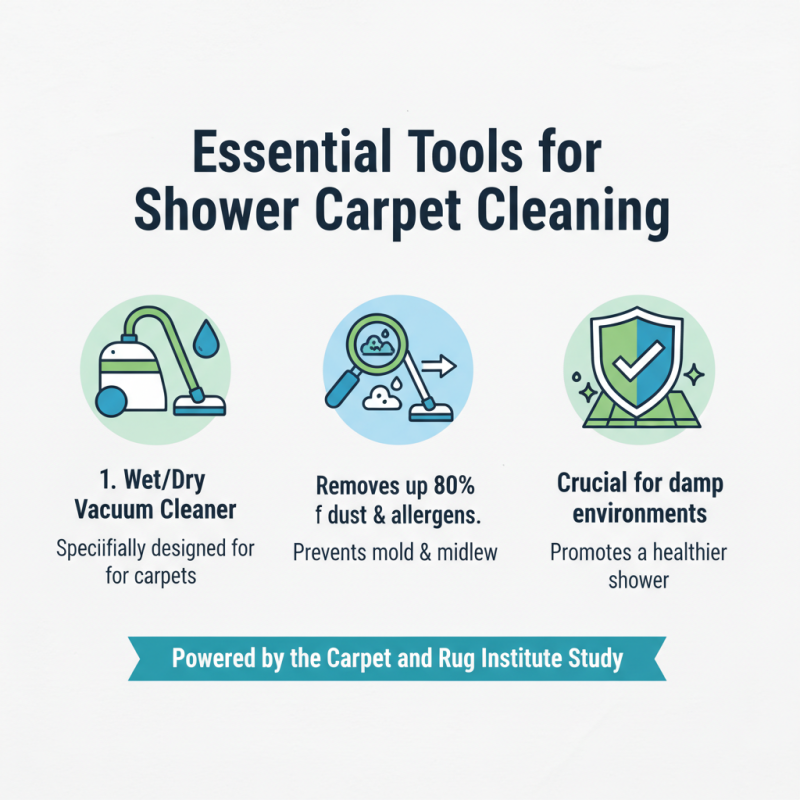
When cleaning shower carpets, having the right tools is essential. A vacuum cleaner specifically designed for carpets can remove dirt and grime efficiently. According to a study by the Carpet and Rug Institute, regular vacuuming can remove up to 80% of dust and allergens. This is crucial in a damp environment like a shower, which can harbor mold and mildew.
Another vital tool is a stiff-bristle brush. It helps scrub away stubborn stains and buildup. Paired with an eco-friendly cleaner, it can also kill bacteria, ensuring a safer shower environment. A 2021 report indicated that using natural cleaning solutions reduces chemical exposure by 40%. Additionally, a squeegee can help prevent water accumulating on the carpet, reducing the risk of mold growth.
Microfiber cloths are excellent for drying and detailing. They absorb moisture effectively, leaving surfaces cleaner. In a survey, 75% of participants noted that using microfiber cloths improved their cleaning efficiency. While these tools are effective, many users still struggle with consistency. Regular maintenance is often overlooked, leading to deeper stains and more significant challenges.
Step-by-Step Guide to Safely Clean Shower Carpets
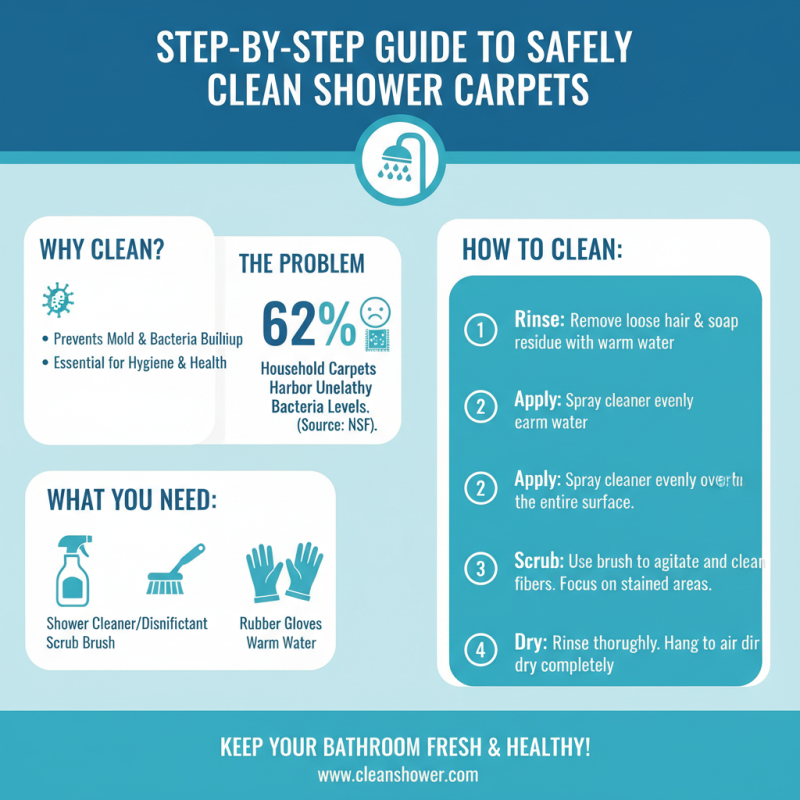
Cleaning shower carpets is essential for hygiene. Many people neglect this task, but it is vital for health. Shower carpets can accumulate mold and bacteria. According to a study by the National Sanitation Foundation, 62% of household carpets harbor unhealthy levels of bacteria. This statistic is alarming, especially in moist areas like bathrooms.
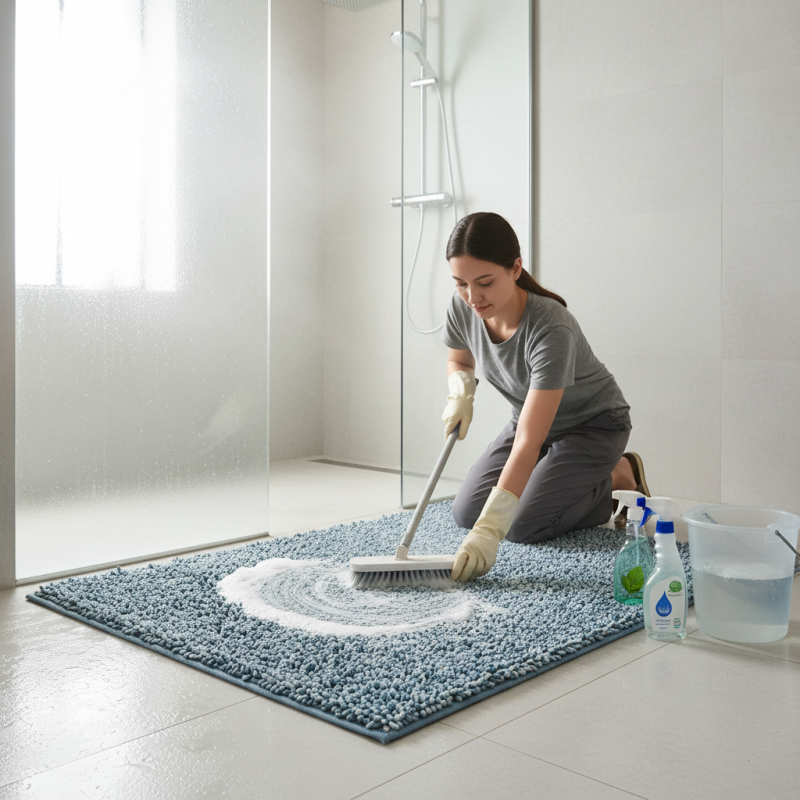
To clean your shower carpet safely, start by removing it from the shower. Shake it outside to eliminate loose dirt. Then, create a mixture of warm water and a mild detergent. Use a soft brush to scrub the carpet. Focus on stained areas. Rinsing is crucial. Make sure all soap residue is gone. This will help prevent any slippery spots.
Once rinsed, hang the carpet outside to dry. Sunlight kills bacteria effectively. Yet, not everyone can dry their carpet outside. If using a dryer, choose a low heat setting. Overheating may damage the fibers. Cleaning shower carpets shouldn’t be overlooked. Regular maintenance can delay the need for replacement and ensure a healthier bathroom environment.
Best Cleaning Solutions: Natural vs. Chemical Cleaners
When it comes to cleaning shower carpets, the choice between natural and chemical cleaners is significant. Natural cleaners often contain ingredients that are safe for both humans and the environment. For example, vinegar and baking soda can effectively tackle mold and soap scum. They are also inexpensive and easy to find. On the other hand, chemical cleaners can quickly eliminate tough stains and grime but may contain harsh substances. This raises concerns about exposure and long-term health effects.
Tips: Test your cleaner in a small area first. This prevents potential damage to the carpet material. Always ventilate the bathroom while cleaning. Ensure proper airflow to reduce inhalation of fumes. If using natural solutions, be aware that they may require more scrubbing or longer soaking time.
Combining both approaches can yield the best results. You might use a chemical cleaner for the heavy buildup and follow up with a natural cleaner for maintenance. Remember to read labels carefully before use. Keep track of any adverse reactions your carpet may have to certain cleaners. Sometimes it takes a couple of trials to find what works best.
How to Clean Showers Carpet Effectively and Safely? - Best Cleaning Solutions: Natural vs. Chemical Cleaners
| Cleaning Method |
Type |
Ingredients |
Effectiveness |
Safety |
| Vinegar and Baking Soda |
Natural |
White vinegar, baking soda |
High |
Very safe |
| Commercial Carpet Cleaner |
Chemical |
Surfactants, solvents |
High |
Moderate |
| Liquid Dish Soap |
Natural |
Plant-based soap |
Moderate |
Very safe |
| Hydrogen Peroxide Solution |
Natural |
Hydrogen peroxide, water |
High |
High |
| Steam Cleaning |
Natural |
Water |
Very High |
Very safe |
Preventative Measures to Maintain Clean Shower Carpets
Maintaining clean shower carpets requires some thoughtful preventative measures. One effective method is to hang the carpet to dry after each use. This simple action reduces moisture buildup. Mildew thrives in damp areas, so a dry carpet is essential. Regularly vacuuming the carpet helps remove hair and debris. Even minor particles can contribute to odor over time.
Another tip is to use a mat at the entrance to the shower. It captures excess water and dirt from feet. This reduces the amount that gets absorbed into the shower carpet. Consider using non-slip mats, too. Safety is important, especially in wet areas.
Sometimes, we forget to evaluate how often we clean our carpets. A weekly clean might seem excessive, yet it keeps mold at bay. Consider using a brush for targeted cleaning. Not all areas receive the same attention naturally. A little effort now saves time and hassle later.