How to Choose the Best Showers Mat for Your Bathroom Needs?
Choosing the right shower mat can be a daunting task. With various materials and designs available, making an informed decision is crucial. According to bathroom expert Jane Smith, "A well-chosen showers mat can transform your bathroom experience." This statement highlights the importance of selecting the right mat for both safety and style.
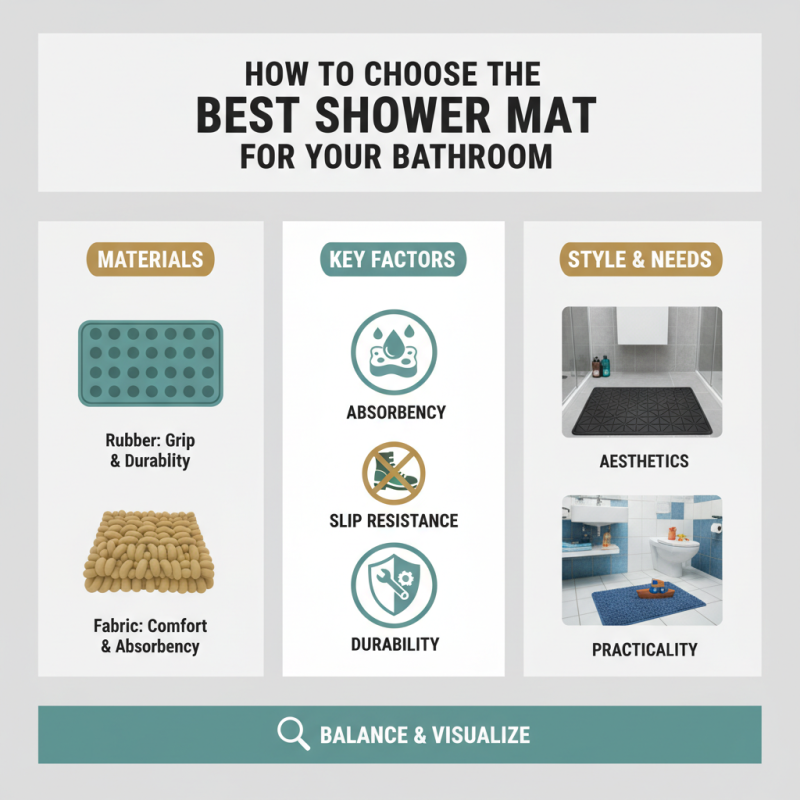
When evaluating showers mats, consider factors like absorbency, slip resistance, and material durability. For example, rubber mats offer excellent grip, while fabric mats can provide added comfort. Remember, the mat should not only fit your bathroom’s decor but also meet practical needs. Reflecting on personal experiences, some individuals may find mats that are too thin do not perform well, leading to slip hazards.
In conclusion, do not settle for just any showers mat. Instead, think about how it can enhance your safety and comfort. Take your time to explore different options and visualize what will work best for your space. Balance aesthetics with functionality to find the ideal showers mat for your bathroom.
Understanding Different Types of Shower Mats Available in the Market
When selecting the ideal shower mat, it's essential to understand the range of options available. Many consumers overlook the significance of material types, which directly impact durability and safety. Rubber mats, for instance, provide excellent grip, reducing slip hazards. A report from the National Safety Council indicates that 85% of slip and fall accidents occur in wet environments like bathrooms.
For those who prioritize aesthetics, microfiber mats can absorb water effectively while offering a soft, plush feel. However, they often require more maintenance to prevent mold growth. The American Journal of Occupational Safety notes that inadequate mat upkeep can lead to hygiene issues. Considering these factors helps ensure you choose the right mat for your space.
**Tip: Regularly clean your shower mat to prevent mold.** A simple wash can improve both safety and comfort. If you’re looking for a more eco-friendly option, bamboo mats are lightweight and offer natural resistance to moisture, making them an excellent choice.
**Tip: Check the material's absorbency before purchase.** An effective mat should minimize water pooling. Ultimately, prioritizing safety and comfort in your bathroom design can enhance your daily routine. Don't underestimate the importance of this seemingly simple accessory.
Types of Shower Mats and Their Popularity
Key Factors to Consider When Choosing a Shower Mat for Your Bathroom
When selecting the ideal shower mat for your bathroom, several key factors come into play.
Material is paramount. Mats made from quick-drying materials like
microfiber or rubber are excellent choices.
They resist mold and mildew, ensuring a healthier environment. Consider the thickness as well; a thicker mat provides
greater cushioning underfoot, enhancing comfort during use.
Size is another crucial aspect. A mat that’s too small may not
catch drips effectively. Conversely, one that’s too large can disrupt the flow of your bathroom. Measure your space
carefully to find the right fit. Additionally, traction is vital
for safety. Look for mats with non-slip backing to minimize the risk of slips and falls.
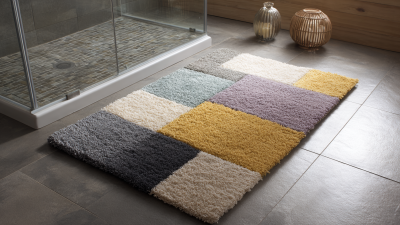
Color and design add a personal touch to your bathroom. Aim for a color that complements your decor. However, don’t be
swayed solely by aesthetics. Patterns and textures can hide dirt better than solid colors. Reflect on
your daily needs. Ideally, your shower mat should make your bathroom feel inviting
while serving practical functions.
Material Comparisons: Rubber, Cotton, and Microfiber Shower Mats
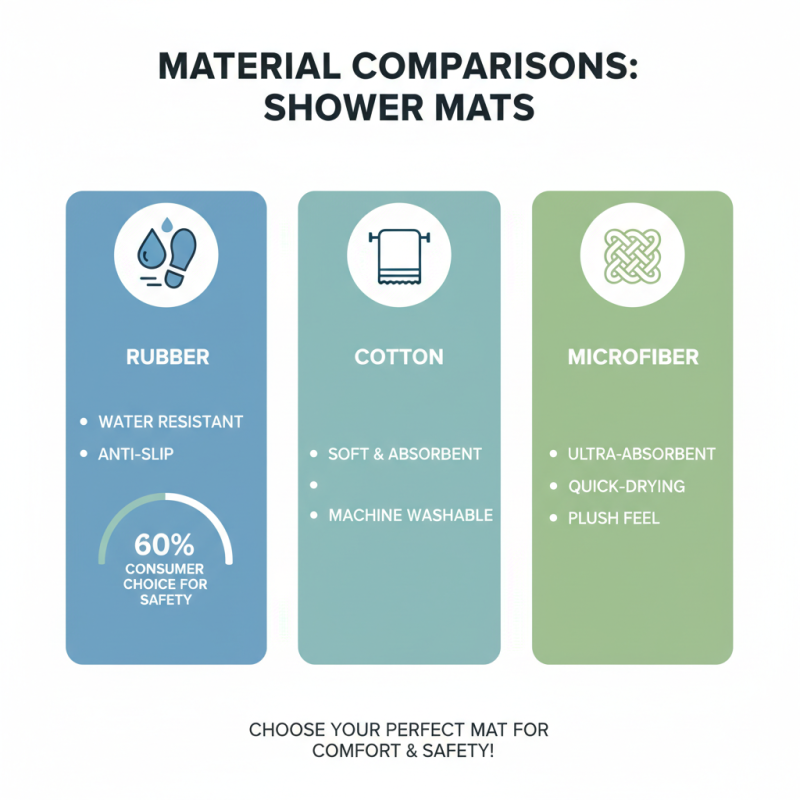
Choosing the right shower mat involves understanding various materials. Rubber, cotton, and microfiber each have unique characteristics. Rubber mats are popular for their water resistance and anti-slip properties. According to industry reports, about 60% of consumers prefer rubber for bathroom safety.
Cotton mats offer a soft, plush feel underfoot. They absorb water effectively but require frequent washing. Research indicates that cotton mats can harbor mold and bacteria if not maintained properly. A study found that 40% of users experienced issues related to hygiene with cotton mats.
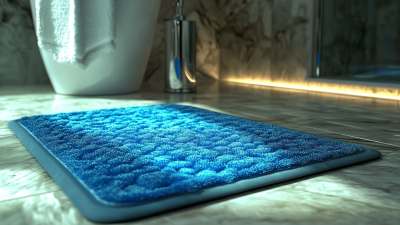
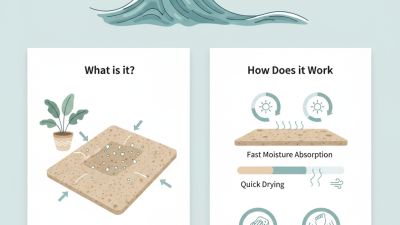
Microfiber has gained traction due to its rapid drying capabilities. These mats can absorb moisture quickly and dry faster than cotton. However, some users report pilling over time. While microfiber is lightweight, it may not provide the same grip as rubber. Evaluating these materials based on personal needs can lead to better bathroom experiences.
Evaluating Size and Shape Options for Your Shower Space
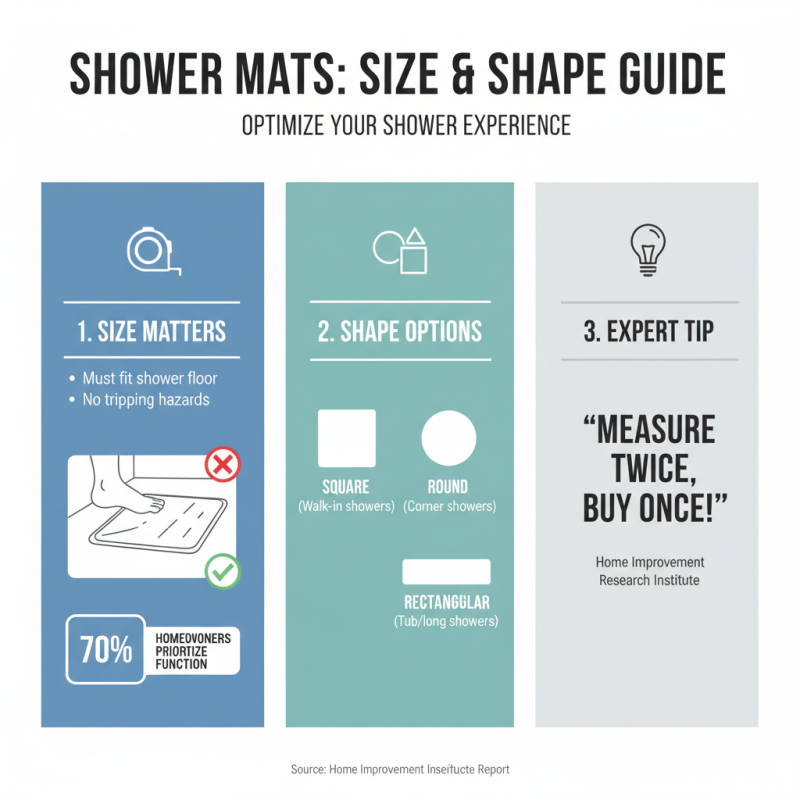
Choosing the right shower mat requires careful consideration of your bathroom's unique needs. Size and shape significantly impact your shower experience. A report from the Home Improvement Research Institute reveals that 70% of homeowners prioritize functionality when selecting bath accessories. A shower mat must fit your space without creating tripping hazards.
Measure your shower area before purchasing. Narrow areas benefit from long, narrow mats, while larger spaces can handle wider options. It's essential to analyze how your mat harmonizes with your decor. The right shape can enhance your bathroom's aesthetic, yet it also needs to provide adequate coverage. Interestingly, only 40% of consumers consider the mat's design when shopping.
Surface materials are another crucial factor. Some mats may slip on wet floors, leading to accidents. For example, PVC and rubber are non-slip but can wear out quickly. Aim for a balance between durability and comfort. Yet, many overlook the need to regularly replace mats, impacting hygiene. A mat that doesn't dry effectively can harbor mold, an issue that 30% of shower mat users experience. This highlights the need for ongoing assessment of your shower mat choices.
Safety Features: Slip Resistance and Anti-Mold Properties of Shower Mats
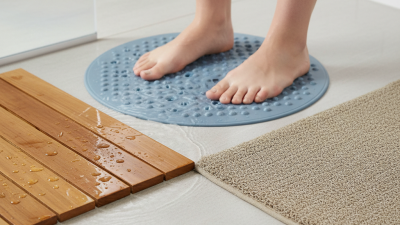
Choosing the right shower mat is crucial for safety and hygiene in your bathroom. Look for mats designed with slip resistance. They should have a textured surface to prevent falls, especially when the floor is wet. Consider mats with rubber backing. This enhances grip and keeps the mat in place.
Anti-mold properties are also essential. Mats made of materials that resist mold growth are best. Look for mats treated with antimicrobial agents. This can prevent unpleasant odors and ensure a cleaner environment. Regular washing is necessary, even for anti-mold mats. A bit of mold can still appear if not maintained properly.
However, not all mats claim to be perfect. You may find some fade over time or lose grip after repeated washes. Sometimes, the appearance of mildew still occurs. It’s vital to inspect your mat periodically. Addressing any signs of wear or mold early can help maintain a safe bathing space.