How to Choose the Best Mat for Bathroom Floor Safety?
Choosing the right mat for bathroom floor safety is essential for preventing slips and falls. A suitable mat can enhance comfort while providing adequate traction. Many factors influence the choice of a mat for bathroom floor, including material, size, and design.
Safety is a primary concern in wet areas. A high-quality, non-slip mat can significantly reduce the risk of accidents. However, not all mats are created equal. Some may wear out quickly or lack proper grip. It's important to consider how often the mat will be used and the specific conditions of your bathroom.
Additionally, aesthetics matter too. A mat should complement your bathroom's decor. But remember, beauty should not compromise safety. Take time to evaluate different options. Make a choice that balances aesthetics with functionality. Reflect on your prior experiences with bathroom mats; some may have disappointed you. This time, aim for reliability and safety.
Factors to Consider for Bathroom Mat Safety
Choosing a bathroom mat involves several key factors to ensure safety and comfort. One major consideration is the material. Mats made from absorbent materials can soak up water, reducing the risk of slips. Look for options with non-slip backing. This feature can prevent the mat from sliding on wet floors.
Another important factor is size and placement. A mat that is too small may not provide adequate coverage. Consider a mat that fits well around your sink and shower areas. It’s also vital to maintain cleanliness. Regularly wash your bathroom mat to prevent mold and bacteria buildup.
Think about the mat's thickness. A thicker mat may provide more cushioning but can also pose tripping hazards. Evaluate the height of transitions in your bathroom. Additionally, consider personal preferences for texture and color. These elements can affect how comfortable and safe the mat feels underfoot. Take the time to reflect on your needs before making a purchase.
Types of Bathroom Mats and Their Safety Features
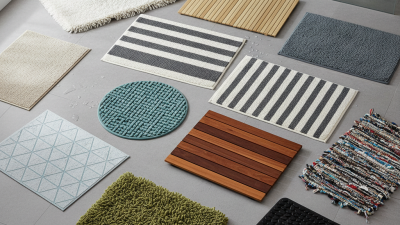
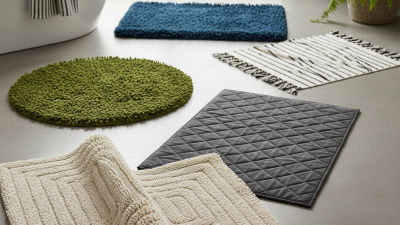
When choosing a bathroom mat, material plays a crucial role in safety. Rubber mats are highly recommended. They offer excellent grip and prevent slipping on wet surfaces. Additionally, microfiber mats absorb water effectively. This keeps the bathroom floor dry and reduces the risk of falls.
Different types of mats also serve specific safety needs. For instance, anti-fatigue mats can provide cushioning. They help alleviate discomfort when standing for long periods, which might inadvertently cause slips if the user is distracted. However, not every mat will be suitable for all surfaces. A mat that works well on tiles may slide on vinyl flooring. It's essential to test mats in your own space for a perfect fit.
Color and texture may also impact safety perceptions. Bright colors can enhance visibility, helping to prevent accidental falls. Meanwhile, mats with textured surfaces can provide additional grip. Despite all these factors, some mats may still wear out over time. Regular inspection is necessary to ensure they remain effective. It's a balance between beauty, comfort, and, most importantly, safety.
Material Choices: Which is Best for Slip Resistance?
When selecting materials for bathroom mats, slip resistance is paramount. Various options exist, each with unique features. Rubber mats often excel in providing grip. Their textured surfaces help prevent slips on wet floors. However, they may wear out over time. It’s crucial to inspect mats regularly for signs of degradation.
Microfiber is another popular choice. These mats absorb moisture effectively, reducing water accumulation that can lead to slips. They are also soft underfoot. Yet, they may require frequent washing to maintain hygiene. Keep an eye on how often you clean them.
Cork and bamboo offer eco-friendly alternatives. Cork is naturally anti-slip and resistant to mold, making it a solid choice. However, it may not perform as well in high-moisture environments. Bamboo has a unique look but could lack grip when wet. Always consider the specific conditions of your bathroom before making your decision.
How to Choose the Best Mat for Bathroom Floor Safety?
| Material |
Slip Resistance Rating |
Water Absorbency |
Comfort Level |
Durability |
| Rubber |
High |
Low |
Medium |
High |
| PVC |
Medium |
Medium |
High |
Medium |
| Cotton |
Low |
High |
High |
Low |
| Microfiber |
Medium |
Medium |
High |
Medium |
| Vinyl |
High |
Low |
Medium |
High |
Maintenance Tips for Keeping Bathroom Mats Safe
When selecting mats for bathroom safety, maintenance plays a crucial role. Regular cleaning helps to keep mats effective in preventing slips. The National Floor Safety Institute reports that 80% of slip and fall accidents occur on wet surfaces. To mitigate this risk, it is essential to wash bathroom mats weekly. Use a gentle detergent and avoid harsh chemicals that can degrade material over time.
Additionally, consider the drying process. Mats should be air-dried or tumble-dried on low heat. High temperatures can damage the texture and effectiveness of the mat. A study from the American Journal of Public Health indicates that wet mats contribute to increased slip incidents. Inspect mats for signs of wear regularly. Torn or frayed edges can create tripping hazards.
Replace mats every year, especially in high-traffic bathrooms. They lose their grip over time. The U.S. Consumer Product Safety Commission emphasizes that older mats are more prone to slipping. Pay attention to the material as well. Natural fibers may provide comfort but can retain moisture. Synthetic options often dry faster, reducing slip chances. Balance comfort with safety for the best results.
How to Choose the Best Mat for Bathroom Floor Safety?
Placement Strategies for Optimal Safety in the Bathroom
When it comes to bathroom floor safety, mat placement is crucial.
Statistics show that nearly 80% of slip and fall accidents occur in residential bathrooms, highlighting the importance of proper mat usage.
A strategically placed mat can significantly reduce this risk. Positioning mats near wet areas, such as the shower and sink, provides essential traction.
According to the National Safety Council, such measures could prevent injuries and save costs related to hospital visits.
Consider the type of mat as well. Mats made from rubber or textured materials offer better grip compared to smooth surfaces.
It’s also important to ensure that mats are adequately sized. Mats that are too small may not offer enough coverage, while oversized mats can pose their own hazards.
Regular maintenance is necessary, as worn or dirty mats lose traction. In fact, studies suggest that 30% of falls are due to improper mat maintenance.
Evaluate the layout of your bathroom carefully. Mats should not obstruct doorways or be a trip hazard themselves.
Consider using adhesive solutions or rug pads to keep mats securely in place.
While no solution is perfect, attention to detail can create a safer environment. Each bathroom is unique, and adjusting mat placement according to specific layouts can enhance safety effectively.