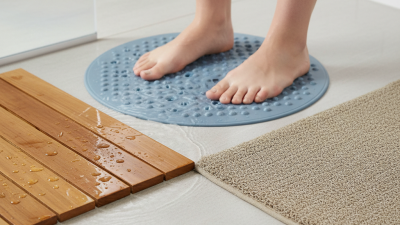
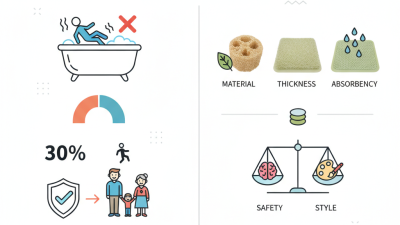
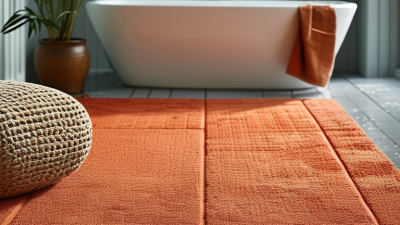
Choosing the right Bath Inserts is a commercial decision, not merely a product search. Wholesale buyers must balance comfort, durability, landed cost, and dependable supply. A promising insert may look excellent in photographs, yet feel thin or unstable during a real installation. Experienced buyers inspect material thickness, surface finish, drainage design, and edge consistency before approving samples. A textured surface should feel secure without becoming difficult to clean. Rounded edges matter when installers handle several units in one day. Small details create fewer complaints.
This guide explains how to compare suppliers with practical evidence. Request samples from each shortlisted factory, then test fit, weight, packaging, and resistance to ordinary bathroom moisture. Record dimensions carefully. A two-millimeter variation can complicate fitting across a large project. Review production capacity, quality-control records, replacement policies, and communication speed. Ask for clear specifications, stable minimum order quantities, and realistic lead times. Packaging deserves attention too; crushed corners can erase an attractive margin before stock reaches the showroom. Price alone is a weak buying signal. A lower quotation may hide thinner materials, inconsistent color, or costly rework. I have learned that supplier promises need verification, not enthusiasm. No checklist is flawless. Weather, transport, and changing demand can still disrupt plans. Therefore, buyers should compare total value and keep a modest contingency. With disciplined sampling and transparent supplier discussions, Bath Inserts can support repeat orders, stronger customer trust, and healthier wholesale margins.
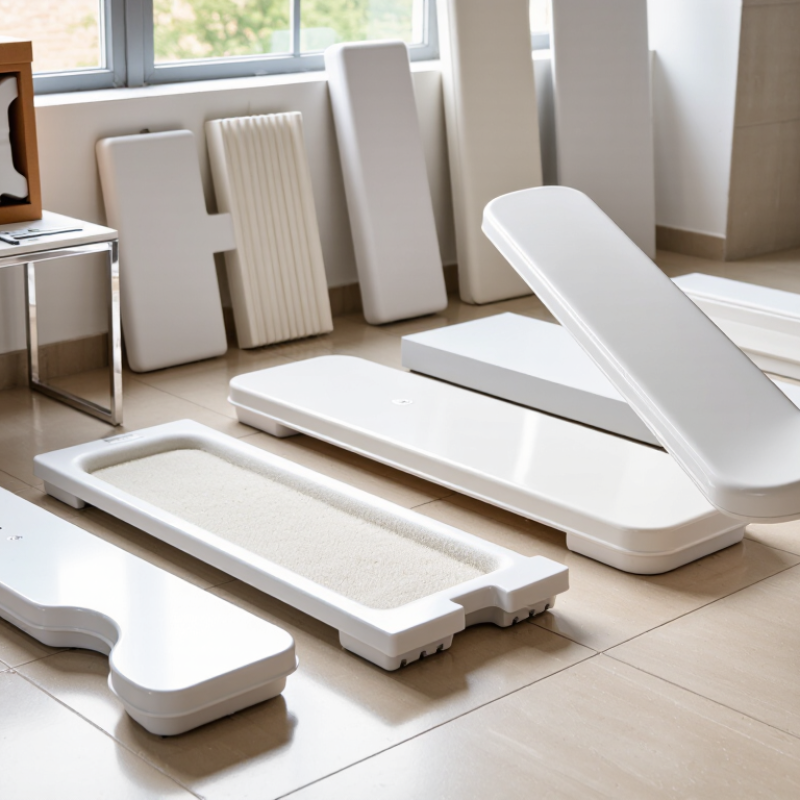
Bath inserts are fitted products that improve a bathtub’s comfort, function, or maintenance. They may include cushioned bath supports, non-slip floor inserts, storage trays, and water-resistant liners. For wholesale buyers, the category is broader than a single bathroom accessory. It combines comfort, safety, hygiene, and installation convenience.
Their main wholesale applications appear in hospitality, residential construction, senior-care facilities, spas, and home-improvement retail. Hotels often require durable inserts that tolerate frequent cleaning and repeated use. Senior-care buyers usually prioritize stable surfaces, rounded edges, and easy handling. Homebuilders may select liner-style inserts during bathroom renovations, especially when speed matters more than custom finishing. Packaging also matters. A compact carton can reduce warehouse space and shipping damage.
Market evidence supports this wider view. The Global Wellness Institute reported that the global wellness economy reached 6.3 trillion dollars in 2023, showing continued interest in personal bathing rituals. Meanwhile, the World Health Organization identifies falls as a major global injury concern, making slip-resistant bathroom products commercially relevant. These reports do not measure bath inserts directly, so their figures require careful interpretation. That is where buyers can make mistakes. A low unit price may hide weak drainage, poor fit, or high return rates. Wholesale evaluation should test dimensions, load resistance, surface grip, cleaning compatibility, and replacement demand before committing to volume.
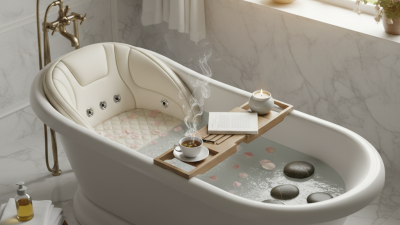
Wholesale buyers should assess bath insert materials before comparing prices. Acrylic is lightweight, smooth, and easy to clean, but thinner sheets may flex during installation. Fiberglass offers strong support, although its surface can feel less refined. Reinforced resin often provides better durability, yet it may increase shipping weight. Request sample pieces when possible. Check edge finishing, surface consistency, odor, and resistance to common bathroom cleaners. A low-cost insert can become expensive when returns increase.
Design affects both customer appeal and warehouse efficiency. Deep contours may improve comfort, but they can reduce compatibility with standard tubs. Raised textures can improve grip, though difficult-to-clean patterns may frustrate users. Keep popular colors and practical shapes in the core range. Size requires more than length and width. Measure interior curves, drain positions, rim height, and available clearance. Fit is not universal. One overlooked curve can cause installation problems.
Compatibility should be confirmed with clear technical drawings, not product photos alone. Compare the insert with acrylic, steel, fiberglass, and older tub structures. Check whether trimming, drilling, or extra supports are required. Those details influence labor costs and customer satisfaction. Ask suppliers about dimensional tolerance and quality inspections. My practical concern is simple: catalog measurements may not reflect every production batch. Recheck samples before placing a large order. A small mismatch can create a large complaint.
Assess material durability, design format, insert dimensions, and compatibility with the target bathtub before placing a wholesale order.
The chart compares representative bath insert sizes commonly used in product specifications. Compact formats suit smaller tubs, while wide and extra-wide formats require careful checks of bathtub length, width, drain position, overflow clearance, and installation method. For wholesale purchasing, prioritize water-resistant materials such as ABS, PVC, stainless steel, or silicone according to the product’s intended use and required durability.
Wholesale buyers should assess bath inserts through supplier evidence, not polished photographs. Check resin or acrylic thickness, reinforcement, drain alignment, surface consistency, and packaging tests. Request production samples from different batches. Samples expose defects. The 2024 Houzz U.S. Kitchen Trends Study found that homeowners continue investing in bathroom upgrades, increasing pressure on suppliers to deliver consistent replacement products. That consistency matters when retailers handle returns and installation complaints.
Customization should solve a clear market problem. Ask whether the supplier can adjust dimensions, colors, textures, drain positions, labels, and carton artwork without weakening quality control. The NKBA 2024 Design Trends Report highlights continued interest in wellness-focused and accessible bathroom features. A low-step entry, textured floor, or ergonomic contour may therefore improve wholesale appeal. However, customization often raises tooling costs and extends lead times. Do not guess. Require written tolerances, approval samples, and a documented inspection process.
Pricing should include molds, inserts, freight, protective packaging, spare parts, and defect allowances. Compare landed cost, not only factory price. Request quotations at several minimum order quantities, such as 50, 200, and 500 units. Smaller orders may reduce inventory risk but increase unit costs. Larger orders can lower pricing, yet they may trap cash in slow-moving colors. An imperfect forecast is still a forecast; review it against sales history and seasonal demand. The 2023 U.S. Census Bureau Annual Retail Trade Survey reported substantial ongoing activity in building material and garden equipment retail, but demand differs sharply by region and channel. Reliable suppliers explain these trade-offs clearly.
How to Choose the Best Bath Inserts for Wholesale Buyers?
A reliable bath insert should come with clear safety documentation, not vague promises. Request material declarations, test reports, and batch records before placing a large order. Check whether the surface remains stable in warm water and household cleaning conditions. Edges should feel smooth, while drainage openings must not create sharp contact points. Ask for samples from current production, not only showroom pieces. Small differences matter.
Durability needs practical testing. Place the insert under its expected load, then repeat the test after washing and drying. Inspect warping, cracks, discoloration, and weakened grips. A short test is not enough. In my experience, buyers sometimes trust attractive samples too quickly. That can be an expensive mistake. Temperature changes may reveal defects that appear invisible at first.
Packaging protects both quality and profit. Check carton strength, inner padding, moisture barriers, and clear handling labels. Request drop-test details for packed units, especially when products travel by sea. Delivery capacity also deserves evidence. Review monthly output, production lead times, backup materials, and inspection procedures. Confirm how quickly the supplier can replace damaged or defective goods. A low quoted price means little if shipments arrive late. Ask for a realistic production schedule, not an optimistic estimate. Leave room for delays. Conditions change.
For wholesale buyers, the best bath insert supplier should prove performance through samples, not promises. Request several units from the same production batch. Check the insert’s dimensions against common tub sizes, including corner angles and drainage openings. Fit matters. A tight edge may leave gaps, while an oversized insert can bend during installation.
Test the surface with wet hands, mild cleaners, and repeated water exposure. Look for fading, odor, peeling, or changes in texture. Apply steady pressure to the seat and support areas. A strong insert should remain stable without sharp movement or cracking. Record every result with photos and measurements. Small flaws matter.
Packaging also deserves a physical check. Drop a packed sample from a practical warehouse height, then inspect the corners, fasteners, and protective layers. Ask the supplier for material details, quality records, and batch inspection procedures relevant to your market. Compare lead times with actual sample delivery, not estimates. Test more than one batch. A sample can look excellent and still disappoint in mass production. That risk is easy to underestimate. Keep one approved sample sealed for future comparisons, although storage conditions may affect it over time. Supplier communication during testing is evidence too. Clear answers, traceable revisions, and willingness to correct defects often reveal more than a polished catalog.
| Evaluation Category | Sampling or Testing Method | Anonymized Sample Results | Wholesale Buying Guidance | ||||
|---|---|---|---|---|---|---|---|
| Sample A | Sample B | Sample C | Sample D | Recommended Result | |||
| Material Composition | Review the technical data sheet and verify the stated polymer or rubber composition with an independent material test when required. | Food-contact-grade silicone | Thermoplastic elastomer | Natural rubber blend | Thermoplastic elastomer | Pass | Choose a material that matches the target market, odor requirements, temperature range, and applicable chemical-safety regulations. |
| Dimensional Accuracy | Measure length, width, thickness, and drain-hole position with a calibrated ruler or digital caliper; compare with the approved drawing. | 598 × 398 × 8 mm ±1.0 mm |
600 × 400 × 7 mm ±2.0 mm |
596 × 397 × 8 mm ±1.5 mm |
601 × 399 × 6 mm ±2.5 mm |
Pass | Set written tolerances before mass production. Tight dimensional control reduces fitting complaints and returns. |
| Tub Compatibility | Test the insert in at least three common tub profiles, including a flat base, a gently curved base, and a textured surface. | 3 of 3 profiles | 2 of 3 profiles | 3 of 3 profiles | 2 of 3 profiles | 3 of 3 | Request physical samples for the main tub sizes sold in the destination market rather than relying only on catalog dimensions. |
| Drainage Performance | Pour 5 liters of water over the insert and record pooling after 60 seconds under a level installation condition. | Residual water: 42 ml | Residual water: 96 ml | Residual water: 55 ml | Residual water: 128 ml | ≤60 ml | Good drainage supports hygiene and faster drying. Check hole size, channel design, and the effect of the tub surface. |
| Slip Resistance | Conduct a wet-surface inclined-plane test using a representative bath surface and record the angle at initial movement. | 28° | 22° | 26° | 19° | ≥25° | Use a textured or suction-supported design where appropriate, but avoid features that make cleaning difficult. |
| Load Resistance | Apply a centered static load for 24 hours, then inspect for permanent deformation, tearing, or detachment. | 120 kg; deformation 1.2 mm | 100 kg; deformation 2.8 mm | 120 kg; deformation 1.6 mm | 80 kg; deformation 4.1 mm | ≥100 kg | Define a safety margin above the intended use condition and test both the insert and any suction or fastening components. |
| Heat and Cold Stability | Expose samples to 5°C and 60°C water cycles for 10 cycles, then inspect dimensions, surface condition, and flexibility. | No visible change | Minor edge curl | No visible change | Noticeable softening | No damage | Thermal cycling is useful for products shipped across climates or used with warm bathwater. |
| Chemical and Odor Resistance | Expose the sample to diluted soap, shampoo, bath oil, and a mild household cleaner for 24 hours; assess odor, discoloration, and surface tack. | No odor; no discoloration | Light odor after exposure | Slight discoloration | Surface became tacky | No material change | Ask for the intended cleaning instructions and verify that the product does not degrade under normal bathroom chemicals. |
| Mildew and Cleanability | Wash and dry the insert after repeated wet use; inspect grooves, holes, and textured areas for retained moisture or visible residue. | Easy to rinse and dry | Residue in deep grooves | Easy to rinse and dry | Water retained in channels | Easy cleaning | Prioritize designs with accessible drainage and smooth, cleanable surfaces to reduce customer maintenance concerns. |
| Packaging Protection | Inspect one packed carton after a simulated handling sequence and check for deformation, scratches, moisture, and missing accessories. | No visible damage | Corner deformation | No visible damage | Plastic sleeve torn | No damage | Confirm carton strength, moisture protection, barcode placement, and whether packaging is suitable for palletized wholesale shipment. |
| Quality Consistency | Inspect 10 units from a pilot batch and compare dimensions, color, surface finish, drain-hole position, and accessory count. | 9 of 10 within specification | 8 of 10 within specification | 10 of 10 within specification | 7 of 10 within specification | ≥9 of 10 | A supplier should demonstrate repeatable output, not only one attractive pre-production sample. |
| Minimum Order Quantity | Compare the supplier's written MOQ with the buyer's planned first order and expected sales volume. | 500 units | 1,000 units | 300 units | 1,500 units | Buyer dependent | Lower MOQ can reduce inventory risk, while larger orders may improve unit pricing and packaging efficiency. |
| Lead Time | Confirm the stated production time in writing and compare it with the requested delivery window after sample approval. | 25 days | 35 days | 28 days | 45 days | ≤30 days | Clarify whether lead time includes material preparation, quality inspection, packaging, and order release. |
| Final Sampling Decision | Combine test results, quality consistency, commercial terms, documentation, and corrective-action responsiveness. | Shortlist | Conditional | Shortlist | Reject or retest | Approve after review | Approve only after the supplier corrects failures, submits updated samples, and confirms the final specification. |
Buyer note: The values above are sample evaluation figures for a wholesale sourcing scorecard. Acceptance limits should be adjusted to the product specification, intended use, destination-market regulations, and independent laboratory findings.