2026 How to Choose the Perfect Faux Fur Bath Mat for Your Bathroom?
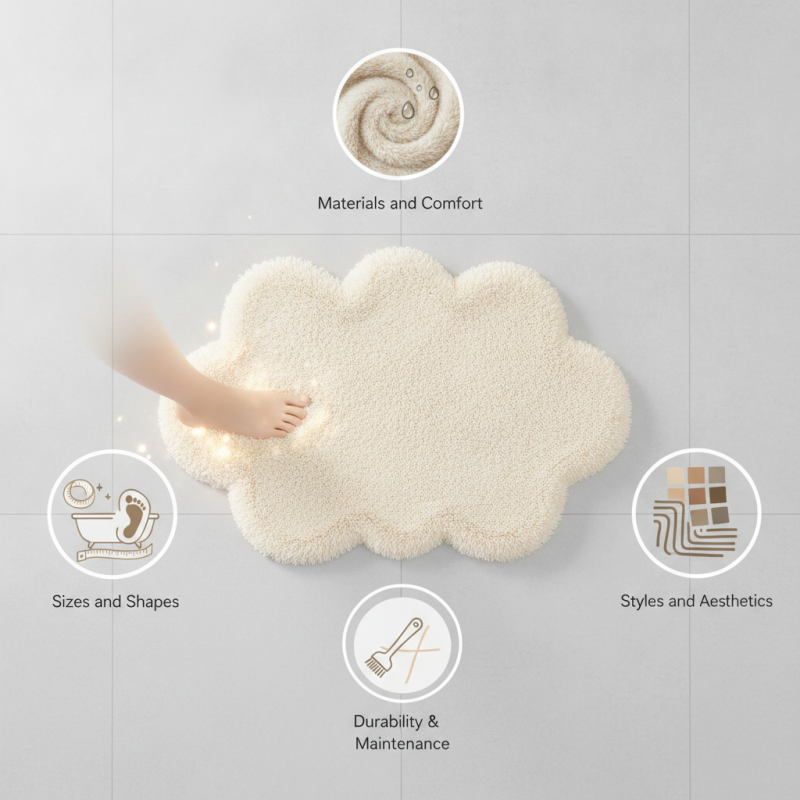
When it comes to bathroom decor, a Faux Fur Bath Mat can elevate the space. This luxurious addition offers comfort and style, creating a cozy atmosphere. Choosing the right mat involves understanding materials, sizes, and styles.
Picture stepping out of the shower onto a soft, plush mat. It feels indulgent and warm beneath your feet. However, not all faux fur mats are created equal. Some may shed or lose shape over time. Quality matters, as well as the maintenance required. A mat that looks good but isn't durable can lead to disappointment.
Balancing aesthetics and functionality is key. You need a mat that complements your bathroom design while serving its purpose. Consider color, texture, and size. A well-chosen Faux Fur Bath Mat can become a standout piece that ties your decor together.
How Faux Fur Bath Mats Enhance Bathroom Aesthetics and Comfort
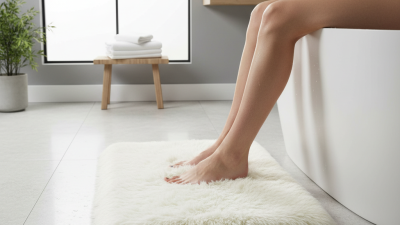
Faux fur bath mats are more than just decorative items; they transform a bathroom into a cozy retreat. Their soft texture invites relaxation. Stepping out of the shower onto a plush surface feels luxurious. This touch of comfort can elevate your entire bathing experience.
Aesthetically, faux fur adds warmth. It softens the hard lines of typical bathroom furnishings. Available in various colors and patterns, these mats can complement existing décor. Imagine a sleek bathroom with a soft, fluffy mat that creates a striking contrast. Such details can make a basic space feel more personal and inviting.
However, choosing the right faux fur bath mat can be tricky. Not all materials are equal in quality or comfort. Some may shed fibers or fade over time. Consider how the mat holds up against moisture and daily use. Evaluate durability and maintenance needs. These factors impact longevity and overall beauty. The right choice is vital for both aesthetics and function.
Key Materials Used in Faux Fur Bath Mats: A Comprehensive Overview
When choosing a faux fur bath mat, the materials play a crucial role. Commonly used fibers include acrylic, polyester, and polypropylene. These materials mimic the softness of real fur while offering durability. Acrylic is especially popular for its warmth and luxurious feel. It can enhance the cozy atmosphere in any bathroom. Polyester is known for its stain resistance, making it suitable for high-traffic areas. Polypropylene, on the other hand, offers excellent water resistance, which is crucial for a bathroom setting.
Understanding these materials helps in making an informed choice. Each type has its own characteristics. Acrylic may require more care to maintain its plush appearance. Polyester is easier to clean but might not provide the same softness. Polypropylene is more rugged but lacks the aesthetic appeal of fake fur. Your decision should be guided by both practical needs and personal preferences. In a perfect world, a blend of these fibers could yield a mat that is both stylish and functional. Reflecting on your needs in terms of feel and maintenance will guide you toward the right selection. It’s worth taking the time to weigh your options carefully.
2026 How to Choose the Perfect Faux Fur Bath Mat for Your Bathroom? - Key Materials Used in Faux Fur Bath Mats: A Comprehensive Overview
| Material |
Benefits |
Care Instructions |
Sustainability |
| Polyester |
Soft, durable, and resistant to fading. |
Machine washable on gentle cycle. |
Can be recycled, though not biodegradable. |
| Acrylic |
Warm to touch, lightweight, and plush. |
Spot clean; may require hand washing. |
Not biodegradable; some options are recycled. |
| Recycled Materials |
Eco-friendly, reduces waste, and often very soft. |
Follow specific care label instructions. |
High sustainability; made from repurposed fibers. |
| Natural Fibers (e.g., Cotton) |
Absorbent, natural feel, and good durability. |
Machine washable; avoid bleach. |
Biodegradable and renewable. |
Evaluating Durability: Industry Standards for Faux Fur Bath Mats
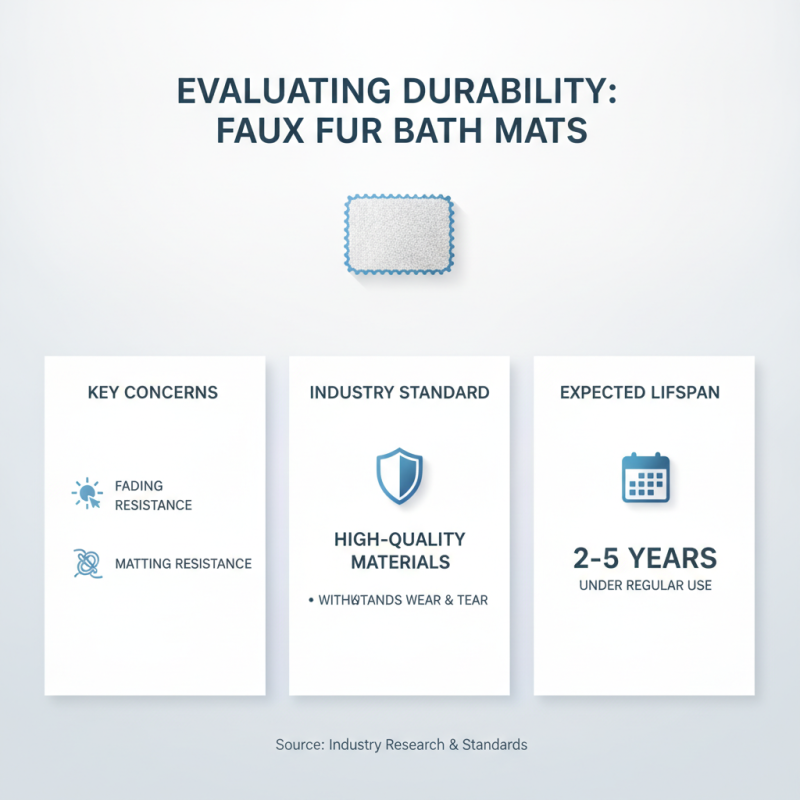
When selecting a faux fur bath mat, durability should be a primary concern. Research suggests that high-quality faux fur materials often withstand significant wear and tear. According to industry standards, a durable faux fur bath mat should resist fading and matting. Many good products can last between two to five years under regular use.
Evaluating durability is essential. A study from the Textile Research Journal highlights that faux fur mats with higher fiber density tend to be more resilient. The resistance to staining and water absorption is also critical. Some mats can absorb about 25% of their weight in water without compromising appearance. However, consumers must be cautious; not all faux fur items meet these standards. The sourcing of materials plays a crucial role in quality, and sometimes cheaper alternatives fail to deliver on promises.
Colorfastness is another factor to consider. A report by the American Association of Textile Chemists and Colorists indicates that faux fur mats should score at least a 4 on the lightfastness scale. This means prolonged exposure to light should not significantly fade the color. Some mats struggle in this area, leading to quicker degradation. Selecting a product with quality assurance can save time and money long-term.
Cleaning and Maintenance Tips for Long-lasting Faux Fur Bath Mats
When choosing a faux fur bath mat, cleaning is crucial. These mats can accumulate dust and moisture, leading to unpleasant odors. Regular maintenance ensures their durability and appearance.
To keep your faux fur bath mat looking its best, shake it out weekly. This removes loose dirt and prevents buildup. Vacuuming on a low setting is another effective method. Be careful not to damage the fibers.
For deeper cleaning, hand washing is recommended. Use lukewarm water and a mild detergent. Avoid harsh chemicals as they can degrade the material. After washing, air dry the mat away from direct sunlight to preserve its texture. Over time, you may notice some wear. That’s normal! Embrace the unique character that comes with age.
2026 Faux Fur Bath Mat Durability Comparison
This chart represents the durability ratings of various bath mat materials, with faux fur receiving the highest score due to its resilience and attractive appearance. Cotton and microfiber also perform well, making them popular choices for bathroom use.
Eco-Friendly Options: Sustainable Choices in Faux Fur Bath Mats
Choosing a bath mat involves more than just aesthetics.
Eco-friendly faux fur options are gaining popularity. They provide warmth and comfort while being kind to the environment.
Many faux fur bath mats are made from recycled materials. This reduces waste and lowers the carbon footprint.
Look for mats that use sustainable practices in their production.
When selecting a faux fur bath mat, consider the materials used. Some mats may claim to be eco-friendly, but the production methods can vary.
Check for certifications that validate their sustainability. You might find mats made from organic fibers or even upcycled textiles.
This transparency helps ensure you are making the right choice.
The softness of faux fur can enhance your bathroom experience. But, not all faux fur is created equal.
Be aware that some mats can shed or pill over time. Regular maintenance is key to keeping them looking good.
Reflect on how often you want to clean them. Balancing beauty and practicality can be a challenge.
Keep an eye out for options that combine both sustainably with style.