Top China Best Bath Inserts for Global Buyers in 2026?
The demand for innovative bath inserts in the global market is on the rise. In 2026, China is set to lead this trend, offering products that blend style, functionality, and affordability. Bath inserts have become essential for modern bathrooms. These products enhance comfort and aesthetics, making them popular among consumers.
Chinese manufacturers are continuously evolving, focusing on materials and designs that cater to global tastes. Many options are available, from simple inserts to luxurious models. This variety can be overwhelming for buyers. It often raises questions about quality and sustainability. Consumers need guidance to make informed decisions.
As the market grows, so does the need for responsible sourcing. Buyers must consider the environmental impact of bath inserts. Understanding production methods and material choices is vital for sustainable purchasing. Embracing this shift reflects a commitment to both quality and responsibility. A thoughtful approach will help buyers find the best options in 2026.
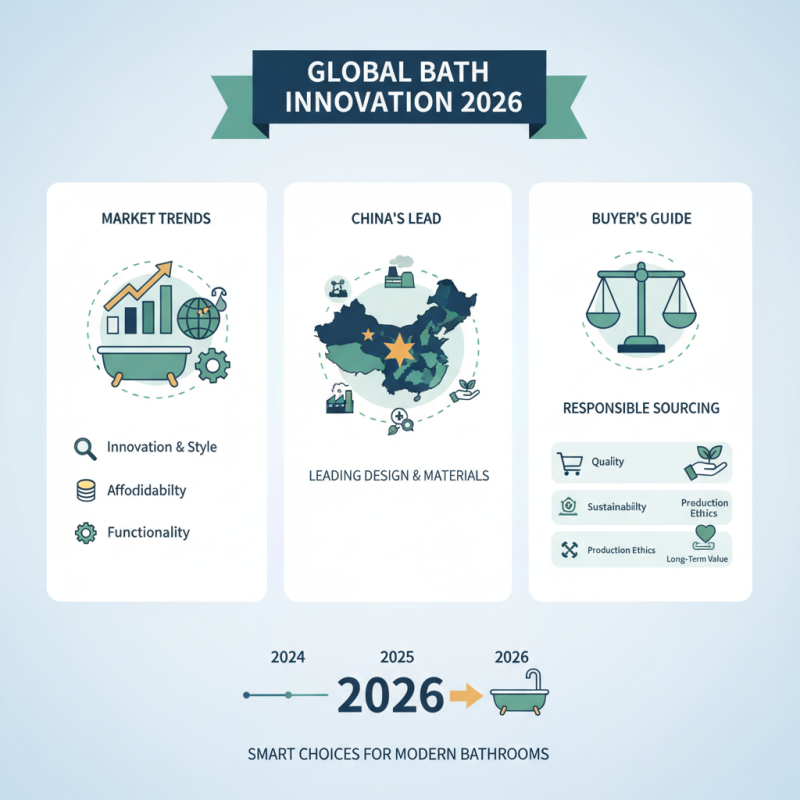
Overview of Bath Inserts Market Trends in China for 2026
The bath inserts market in China shows promising growth trends heading into 2026. According to industry reports, the market value is projected to reach $2 billion by the end of the year, reflecting a compound annual growth rate of over 10%. Increased consumer focus on bathroom aesthetics and comfort drives this trend.
Tips: Consider the variety of materials. Acrylic and fiberglass are leading choices for durability and style. They appeal to a wide demographic. Accessibility remains a concern. Many products do not cater to senior or disabled users, highlighting an area for improvement.
Consumer preferences are evolving. Trends indicate a shift towards eco-friendly options. Up to 30% of buyers prefer sustainable materials. Ensuring these products are available can enhance market appeal. This aligns with growing environmental awareness among consumers. However, competition is fierce. Many newcomers flood the market with similar offerings. Brands must differentiate based on quality and innovation.
Tips: Keep an eye on local suppliers, they often offer competitive pricing. Additionally, remember to assess installation ease. Complex setups may deter potential buyers, affecting sales outcomes. Balancing price with quality and user convenience can prove crucial in this thriving market.
Top China Best Bath Inserts for Global Buyers in 2026
The following chart represents the projected market trends for bath inserts in China for 2026. The data includes the estimated market share percentage of different bath insert materials preferred by global buyers.
Key Features to Look for in Top Bath Inserts Made in China
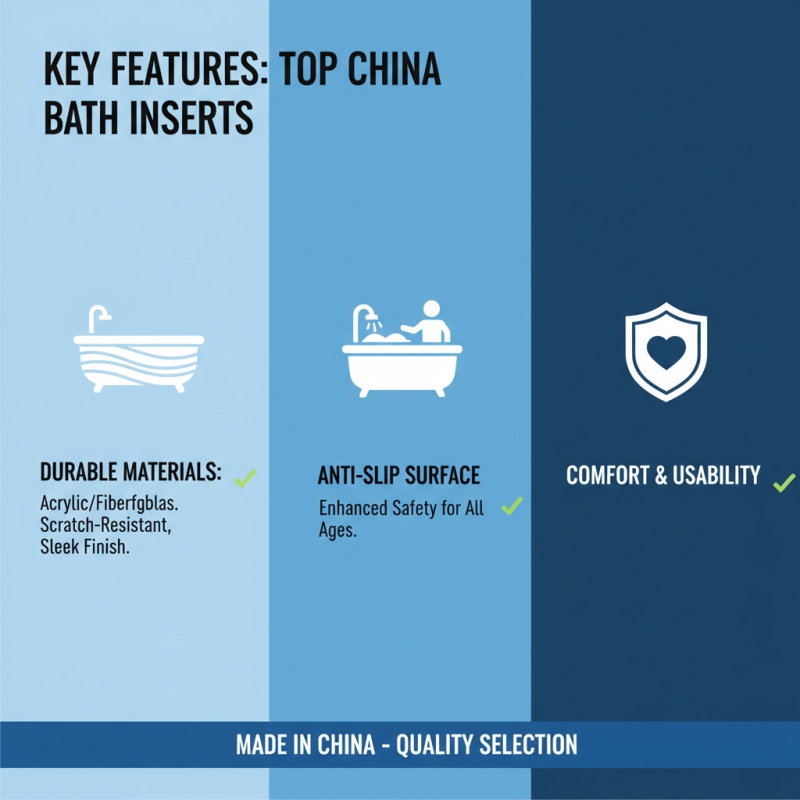
When selecting bath inserts made in China, buyers should focus on key features that enhance usability and comfort. One important aspect is the material. High-quality acrylic or fiberglass should be preferred for their durability and aesthetic appeal. These materials resist scratching and maintain a sleek appearance over time. Additionally, checking for anti-slip surfaces can significantly improve safety, especially for families with children or elderly individuals.
Another critical factor is the design versatility of the inserts. An insert that fits various bathtub shapes adds convenience to installations. It’s wise to choose a model that accommodates standard dimensions while still offering customizable options for unique spaces. Color choices matter too; neutral tones often blend well with different bathroom styles.
Buyers should also consider warranties and customer service. A longer warranty period often indicates a manufacturer’s confidence in their product. However, not every company provides reliable after-sales support. Researching reviews can help highlight these disparities. It’s crucial to reflect on your requirements versus what’s available. Sometimes, what looks perfect may not function well in practice.
Leading Chinese Manufacturers of Bath Inserts and Their Innovations
In 2026, the bath insert market in China is poised for significant growth.
Leading manufacturers are combining traditional craftsmanship with modern technology. They focus on
sustainability while enhancing user experience.
Innovations in materials improve durability and comfort. This approach not only attracts global buyers
but also sets new industry standards.
Several key manufacturers emphasize
ergonomic design. These inserts cater to diverse user needs,
aiming for utmost relaxation and safety. Manufacturers explore various textures and colors, enhancing
aesthetic appeal. However, challenges remain. Not every design meets
stringent quality requirements. Many innovations still need thorough testing for longevity and safety,
raising concerns about reliability.
Investment in research and development is crucial. Some manufacturers take bold steps in
eco-friendly production processes. They aim to reduce waste
and improve energy efficiency. Yet, the market also faces intense competition. As brands vie for attention,
maintaining quality while expanding product lines becomes vital. Buyers are increasingly looking for
trust and reliability in their purchases.
Consumer Preferences and Needs for Bath Inserts in 2026
As we approach 2026, consumer preferences for bath inserts are evolving rapidly. A recent industry report highlights that 70% of consumers prioritize comfort and ease of maintenance. Innovative materials are increasingly favored, with 55% of buyers seeking eco-friendly options. They want products that blend aesthetics with functionality.
In a survey conducted by a leading market research firm, 60% of respondents reported dissatisfaction with current options on the market. Many cited issues with durability and style. Simultaneously, there's a growing demand for customizable designs, with 40% expressing interest in personalized bath inserts. This reflects a shift towards individuality in home decor.
Consumer insights indicate a strong inclination towards technology integration in bath inserts. Features like built-in heating systems attract attention, especially for homes in colder climates. However, while high-tech options appeal to many, some consumers are concerned about reliability and longevity. The challenge lies in balancing innovative features with trusted quality.
Top China Best Bath Inserts for Global Buyers in 2026
| Feature |
Preference (%) |
Price Range (USD) |
Material Preference |
Color Preference |
| Comfort |
35% |
50 - 150 |
Acrylic |
White |
| Durability |
30% |
75 - 200 |
Fiberglass |
Beige |
| Eco-friendliness |
15% |
40 - 120 |
Recycled Materials |
Green |
| Style |
20% |
100 - 300 |
Ceramic |
Blue |
Global Distribution Channels for Chinese Bath Inserts and Market Access
The demand for bath inserts globally is expected to grow significantly by 2026. Understanding the distribution channels for these products is crucial for buyers. Many suppliers in China offer varied models, but navigating market access can be complex.
A robust distribution network is key. Chinese manufacturers often utilize both online and offline channels. E-commerce platforms have become increasingly popular. Many buyers prefer purchasing through established websites. However, local partnerships can enhance market reach significantly.
Strong relationships with distributors may lead to better pricing and support.
Nevertheless, challenges remain. Logistics can pose difficulties, affecting delivery times. Regulatory compliance is another concern. Buyers must ensure products meet their local standards. This landscape emphasizes the importance of research. Collaborating with local experts can alleviate some issues.
Striking the right balance between cost and quality is essential for a successful purchase.