Best Showers Carpet Options for Global Buyers in 2026?
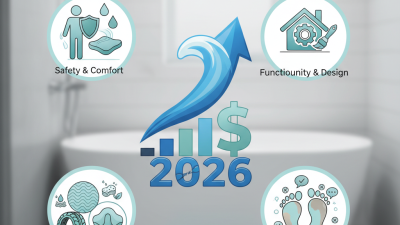
The global market for Showers Carpet is evolving, with an expected growth rate of 8.2% CAGR over the next five years. As consumers seek comfort and style, the demand for high-quality bathroom flooring solutions continues to rise. Industry expert James Thompson emphasizes, “Choosing the right Showers Carpet can transform the ambiance of any bathroom while ensuring safety and functionality.”
Buyers in 2026 will face a diverse range of options, from water-resistant materials to eco-friendly designs. Understanding these choices is vital for making informed purchases. According to a recent report by Bath & Floor Association, over 60% of homeowners prioritize durability in their Showers Carpet selections. This trend reflects a shift towards materials that stand up to moisture and everyday wear.
While aesthetics are important, it’s crucial not to overlook safety features. Slippery surfaces can lead to accidents, especially in wet environments. Thus, a balance between style and functionality is essential. As consumers navigate choices, they must reflect on their specific needs and preferences. This evolution in the Showers Carpet industry presents both opportunities and challenges for global buyers.
Top Trends in Shower Carpet Materials for 2026
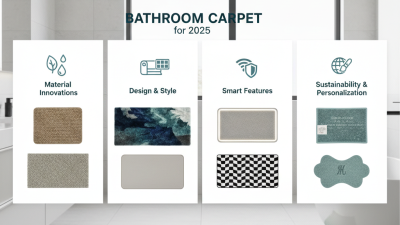
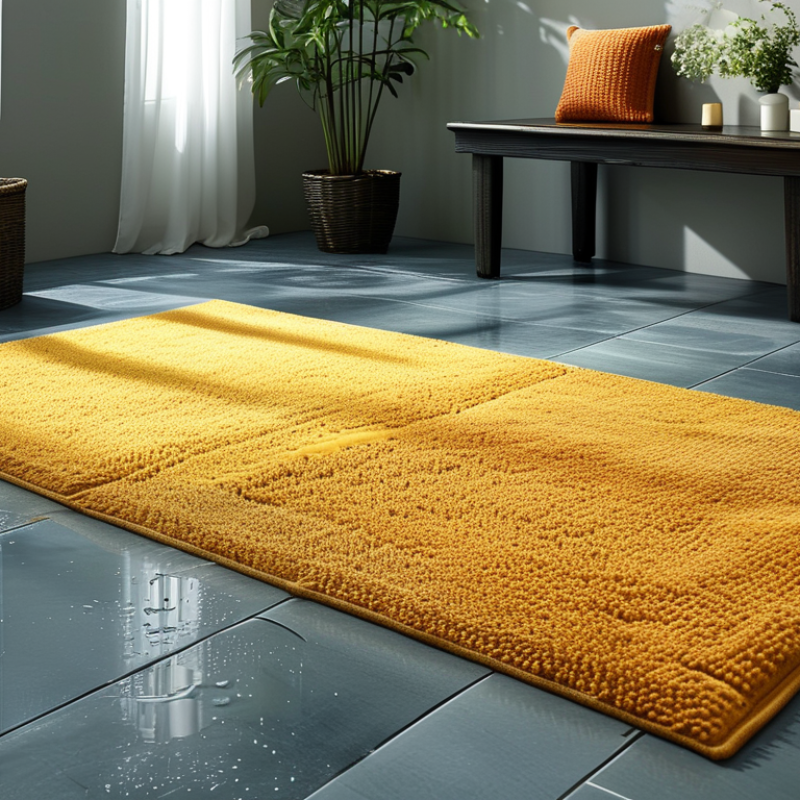
The market for shower carpet materials is evolving rapidly, especially for 2026. Eco-friendly options are gaining traction. Reports indicate that 35% of consumers prioritize sustainability in their purchasing decisions. Natural fibers like bamboo and hemp are becoming popular due to their biodegradable properties. These materials not only reduce plastic waste but also offer plush comfort.
However, while these natural options present advantages, they also pose challenges. Natural fibers may not be as water-resistant as synthetic alternatives. This creates issues in mold resistance and longevity in wet environments. The balance between aesthetics and functionality must be carefully considered by buyers.
Another trend involves high-tech materials incorporating antimicrobial properties. Research shows these innovations can significantly reduce bacteria growth, improving hygiene. The anticipated global market for antimicrobial textiles is projected to reach $30 billion by 2026. Buyers must weigh the benefits of advanced technology against potential higher costs. Understanding these trends will be essential for making informed decisions in the dynamic shower carpet market.
Key Features to Consider in Shower Carpets
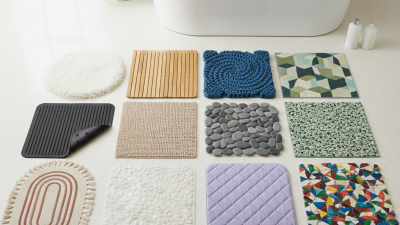
When selecting shower carpets, buyers should prioritize several essential features. One critical aspect is water resistance. A carpet that absorbs moisture can lead to mold and mildew. Opt for materials designed to repel water effectively. Natural fibers like cotton may feel soft but often fail in this area.
Another important feature is non-slip backing. Safety should never be compromised in a wet area. Look for shower carpets with textured bottoms. These can prevent slips and falls, especially in households with children or elderly inhabitants. Moreover, easy maintenance is vital. Carpets that can be machine washed or quickly dried offer convenience.
Colors and patterns also play a significant role. A visually appealing shower carpet can enhance bathroom decor. However, dark colors may hide stains but can appear dull. Meanwhile, lighter shades invite dirt but can brighten a space. Buyers must weigh aesthetics against practicality. Ultimately, the right shower carpet balances utility, safety, and style, while addressing the inevitable compromises involved.
Sustainability and Eco-Friendly Options for Shower Carpets
When considering shower carpets in 2026, sustainability is paramount.
Eco-friendly materials are becoming the norm. Many consumers seek options that reduce their carbon footprint.
Traditional synthetic carpets often create waste.
Meanwhile, sustainable choices focus on renewable resources. Natural fibers like jute
and bamboo serve as popular alternatives. They are biodegradable and less harmful
to the environment.
Recycling also plays a significant role. Some brands use recycled plastics to create high-quality shower carpets.
They offer durability while minimizing waste. Buyers should consider the life cycle of these products.
Short-lived carpets contribute to landfill issues. An informed choice leads to more sustainable living.
Advertisements may hype benefits, but buyers must look beyond claims.
Real-world impact should drive decisions.
Choosing eco-friendly shower carpets is a reflection of personal values. Consumers increasingly want to make
responsible purchases. However, understanding material origins can be challenging. Transparency is essential
for building trust. Always question the sourcing of materials. Here, awareness helps avoid
greenwashing. The journey toward sustainability requires both knowledge and reflection.
Global Market Insights: Preferred Shower Carpet Choices
As the demand for bathroom innovations grows, shower carpets have become a focal point for global buyers. Recent market analysis indicates that the shower carpet segment will expand at a compound annual growth rate (CAGR) of 5.2% by 2026. Increased awareness of hygiene and safety in bathrooms is a key driver behind this trend. Many consumers now prefer carpets that combine comfort with quick-drying materials. Surveys show that nearly 70% of buyers prioritize mold-resistant options for enhanced durability.
Choosing the right shower carpet can be overwhelming. Here are some tips: first, consider the material. Natural fibers like cotton are soft but can retain moisture. Synthetic options like nylon are more resistant to mildew. Secondly, think about maintenance. Carpets that are machine washable or have waterproof backing can save time and effort.
Finally, the design matters. Bright colors and patterns can enliven your bathroom space. Yet, simplicity often resonates better with minimalistic trends. Remember, selecting a carpet that matches your decor is essential. The right balance of aesthetics and functionality is key for a satisfying purchase. It's vital to reflect on the long-term use of your shower carpet. What seems stylish today may not hold its appeal tomorrow.
Purchasing Tips for International Buyers of Shower Carpets
When exploring shower carpet options, global buyers should prioritize safety, design, and durability. According to the International Home Textiles Association, the demand for shower carpets is set to rise by 15% by 2026. Factors include increased awareness of bathroom safety and the aesthetic appeal these carpets provide.
For international buyers, it’s crucial to assess materials. Natural fibers can be prone to movement, while synthetic options often offer better grip and moisture resistance. Look for carpets that feature anti-slip technology. It’s wise to check for certifications that meet safety standards in your region.
Here are some purchasing tips: First, measure your space accurately to avoid returns. Second, consider color and design to complement your bathroom aesthetics. Lastly, read reviews from other buyers to gauge performance and longevity. With attention to detail, you can make an informed choice that balances style and safety in your bathroom.
Best Shower Carpet Options for Global Buyers in 2026