Best Polyester Bath Mat Options for Global Buyers?
The demand for high-quality home textiles is ever-increasing. Polyester bath mats have gained popularity due to their durability and ease of maintenance. According to the Global Textile Market report, the home textile industry is projected to grow significantly, driven by consumer preferences for affordable and long-lasting products.
Polyester bath mats are not just practical but also serve as essential decor elements in bathrooms. These mats are recognized for their quick-drying capabilities and stain resistance. Industry experts note that around 72% of consumers prioritize comfort when choosing bathroom accessories. This trend highlights the importance of comfort alongside functionality in product selection.
Despite their advantages, choosing the right polyester bath mat can be overwhelming. There are numerous brands and styles available, each claiming superior quality. However, buyers often face confusion due to mixed reviews. Seeking expertise and guidance can help consumers make informed decisions. It is crucial to consider factors like texture, absorbency, and design when selecting the best options.
Overview of Polyester Bath Mats: Benefits and Features
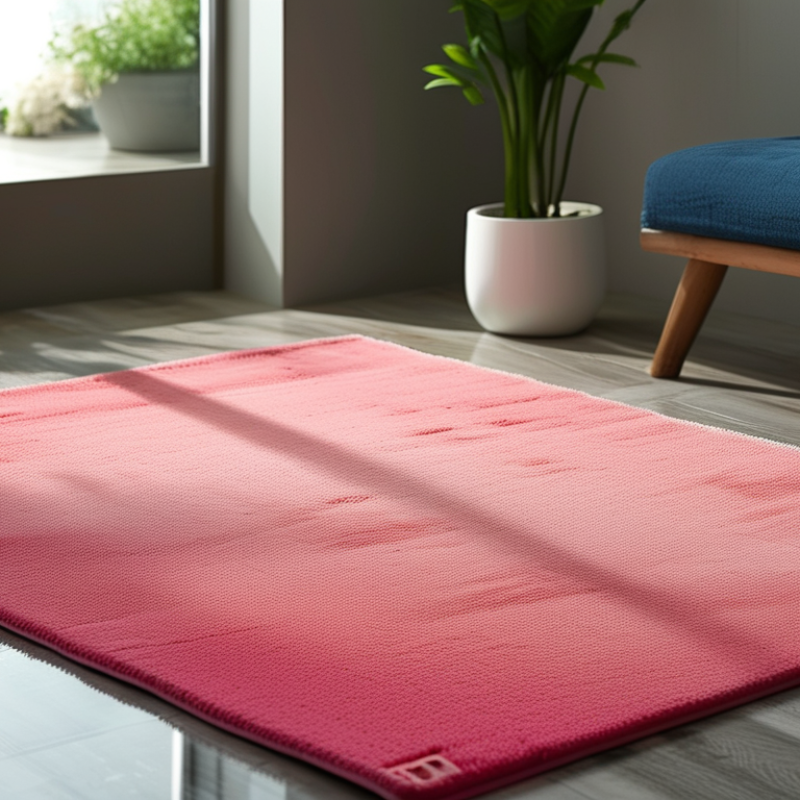
Polyester bath mats offer a blend of practicality and style for any bathroom. These mats are known for their durability and resistance to water. Made from synthetic fibers, they dry quickly, minimizing mold growth. The vibrant colors and patterns can instantly enhance your space, adding a personal touch.
One notable advantage is the ease of maintenance. Polyester mats are often machine washable, which saves time. However, not all mats can withstand repeated washes without losing their shape. Users may find that some mats wear out faster than others. It’s essential to consider the quality of the fibers used in construction. Investing in a well-made product often leads to better longevity.
Additionally, polyester mats can be quite soft underfoot, providing comfort. The texture can feel inviting, especially after a warm bath. Despite these benefits, some users report that certain mats can slip if not placed on non-slip surfaces. This can be an important factor to address when choosing your mat.
Overall, polyester bath mats combine functionality with aesthetic appeal, making them a popular choice. Just ensure you pay attention to quality and safety features.
Factors to Consider When Choosing Polyester Bath Mats
When selecting polyester bath mats, several key factors come into play. The first consideration is absorbency. Polyester mats can absorb water effectively, reducing slip hazards in wet environments. A report by the Home Textile Association indicates that mats with a thickness of at least 0.5 inches yield better absorbent properties, making them preferred for bathroom use.
Next, examine the durability of the materials. Polyester is known for its resilience, but not all polyester is created equal. Choosing mats with high denier counts can enhance their longevity. According to the Textile Research Journal, mats manufactured with a denier count above 300 maintain structural integrity better over time. Regular exposure to water and cleaning can degrade lower-quality options faster.
Another critical factor is ease of maintenance. Polyester bath mats can usually be machine-washed, but care instructions vary. Some low-end products may not withstand frequent washes, leading to fading or loss of texture. Industry studies show that mats requiring simple care tend to be favored by consumers, impacting their purchasing decisions. Thus, understanding these factors can guide buyers toward suitable polyester bath mats.
Top Brands Offering Quality Polyester Bath Mats Worldwide
When considering polyester bath mats, several top brands have emerged globally, focusing on quality and design. The International Textile Manufacturers Federation reports that polyester materials make up approximately 52% of bath mat production due to their durability and quick-drying properties. This popularity reflects consumer demand for practical and stylish options in home textiles.
Notably, many brands use high-density polyester fibers, which contribute to enhanced water absorption and comfort underfoot. This innovation is coupled with eco-friendly production techniques, aligning with sustainability trends. However, not all brands adhere to these practices, leading to potential quality discrepancies. Buyers should examine material certifications and production methods before purchasing.
Additionally, the market has seen an increase in tech-enhanced bath mats. Some incorporate non-slip features or antimicrobial treatments to enhance safety and hygiene. Despite these advancements, consumers may find variations in performance among different brands. A careful comparison of user reviews and product specifications is essential for making informed choices.
Care and Maintenance Tips for Polyester Bath Mats
Polyester bath mats are popular for their durability and moisture-wicking properties. However, proper care and maintenance are crucial for longevity. Regular cleaning is vital. Studies show that bacteria thrive on damp surfaces, particularly in bathrooms. To prevent this, wash your polyester mat weekly in warm water. Avoid bleach, as it can damage fibers. Instead, use a mild detergent. This practice can reduce bacterial growth by up to 90%, according to recent hygiene research.
Sun exposure can fade colors. While polyester is known for its vibrant hues, prolonged sunlight can lead to dullness. Rotating your mat's position can help mitigate this issue. If stains occur, spot clean immediately with a damp cloth. Leaving stains can make them harder to remove entirely. Over time, mats can also lose their grip. Inspect the rubber backing regularly. If it deteriorates, consider replacing the mat.
Lastly, ensure your polyester bath mat is thoroughly dry before storing it. Humidity can lead to mold growth, which is a serious health concern. Even a well-maintained mat may need replacement every couple of years, depending on use. Reflecting on these tips can enhance your bath mat experience while prioritizing hygiene and aesthetics.
Best Polyester Bath Mat Options for Global Buyers - Care and Maintenance Tips for Polyester Bath Mats
| Product Type |
Size (inches) |
Color Options |
Price Range (USD) |
Care Instructions |
| Non-Slip Bath Mat |
20 x 32 |
Blue, Grey, Beige |
25 - 50 |
Machine wash cold, tumble dry low |
| Memory Foam Bath Mat |
22 x 34 |
Green, White, Pink |
30 - 60 |
Spot clean, do not machine wash |
| Luxurious Plush Bath Mat |
24 x 36 |
Black, Red, Ivory |
40 - 80 |
Machine wash warm, hang dry |
| Quick-Dry Bath Mat |
18 x 30 |
Turquoise, Yellow, Grey |
20 - 40 |
Rinse and air dry, machine wash on gentle |
Comparative Analysis: Polyester vs. Other Bath Mat Materials
Polyester bath mats have gained immense popularity due to their durability and affordability. Compared to natural fibers like cotton, polyester offers high resistance to moisture and quick drying capabilities. This makes polyester mats ideal for busy households. However, they may lack the luxurious feel that natural materials provide. While some users prefer the plush texture of cotton, polyester mats hold up better against mold and mildew.
In terms of maintenance, polyester is easier to clean and often machine washable. Many buyers appreciate that they can toss them in the wash without worry. On the flip side, they may not absorb water as well as their cotton counterparts. Some users might find this a drawback.
Additionally, polyester mats can feel synthetic against the skin, which may not appeal to everyone. It’s essential to consider your priorities when choosing a bath mat.
Another material to consider is microfiber. While microfiber is very soft and absorbs water efficiently, it may not be as durable as polyester. Some users report that microfiber mats can wear out faster with frequent washing. Thus, while polyester mats offer robust longevity, they may sacrifice some comfort. The choice ultimately comes down to what fits your lifestyle best.