Best Bathtub Carpet Options for Global Buyers Today?
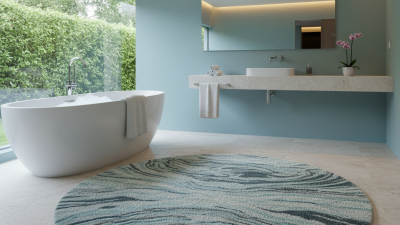
Choosing the right Bathtub Carpet can elevate your bathroom experience. These carpets not only add comfort but also enhance safety. Slipping on a wet floor is a serious concern. A quality Bathtub Carpet can help reduce this risk.
When selecting a Bathtub Carpet, consider material and texture. Some options are plush and soft, offering warmth underfoot. Others are more durable, designed to withstand moisture better. Each has pros and cons. Some carpets may fade quickly. Others might not dry effectively.
Global shoppers have diverse preferences. Certain designs suit modern aesthetics, while others align with classic styles. Understanding your needs ensures you choose wisely. A fitting Bathtub Carpet can transform your space. Reflect on how your selection impacts both safety and style.
Best Bathtub Carpet Materials for Durability and Comfort
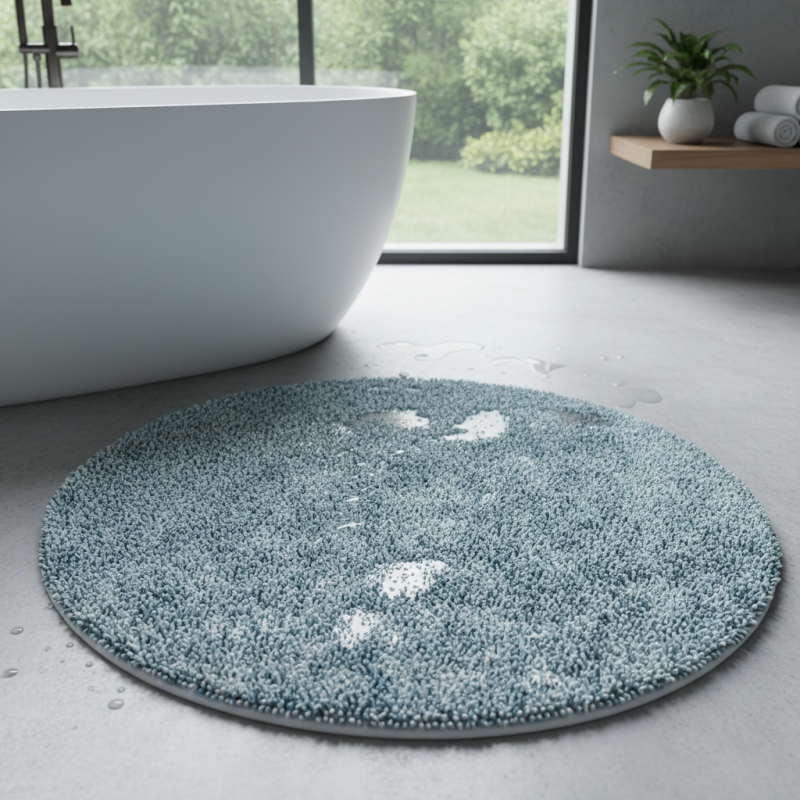
Choosing the right materials for bathtub carpets is essential for both durability and comfort. Most bathtub carpets are crafted from plush, dense fibers that provide a cushioned feel underfoot. Look for options made from microfiber or cotton blends, as these materials offer superior absorbency. They also add a soft touch to your bath space, enhancing your bathing experience.
Another crucial factor is the carpet's backing. Many quality carpets come with a non-slip basis, ensuring safety while getting in and out of the tub. This feature is vital, especially in a wet environment where slips can happen easily. However, not all carpets provide this traction, so be vigilant about checking product specifications.
While these materials may sound perfect, there are some trade-offs. Soft carpets can wear out faster in high-moisture areas if not cared for properly. Regular washing can help maintain their appearance but can also lead to fraying over time. Consider the balance between comfort and durability when making your choice, as it can greatly impact your bathing experience.
Top Trends in Bathtub Carpet Designs for Modern Bathrooms
Bathrooms are evolving spaces, and bathtub carpets are becoming essential for both safety and style. Modern designs emphasize functionality while incorporating aesthetic appeal. A recent industry report indicates that over 45% of consumers prioritize non-slip features in their bathroom textiles. This trend highlights the growing awareness of safety, especially in wet areas.
Color and texture play vital roles in contemporary bathtub carpet designs. Natural materials, like bamboo and organic cotton, are gaining popularity. These materials provide comfort while being eco-friendly. Reports suggest that 38% of homeowners prefer earthy tones to create a calming atmosphere. However, achieving harmony with existing decor can be challenging.
Despite these innovations, many consumers face limitations in availability and choice. A survey revealed that 30% of buyers find it difficult to locate carpets that meet both design and safety criteria. The challenge remains in balancing style with practicality. As trends evolve, ongoing experimentation with textures and patterns will continue to shape bathtub carpet selections. The market must adapt, reflecting diverse preferences while ensuring safety remains uncompromised.
Evaluating Non-Slip Features in Bathtub Carpets for Safety
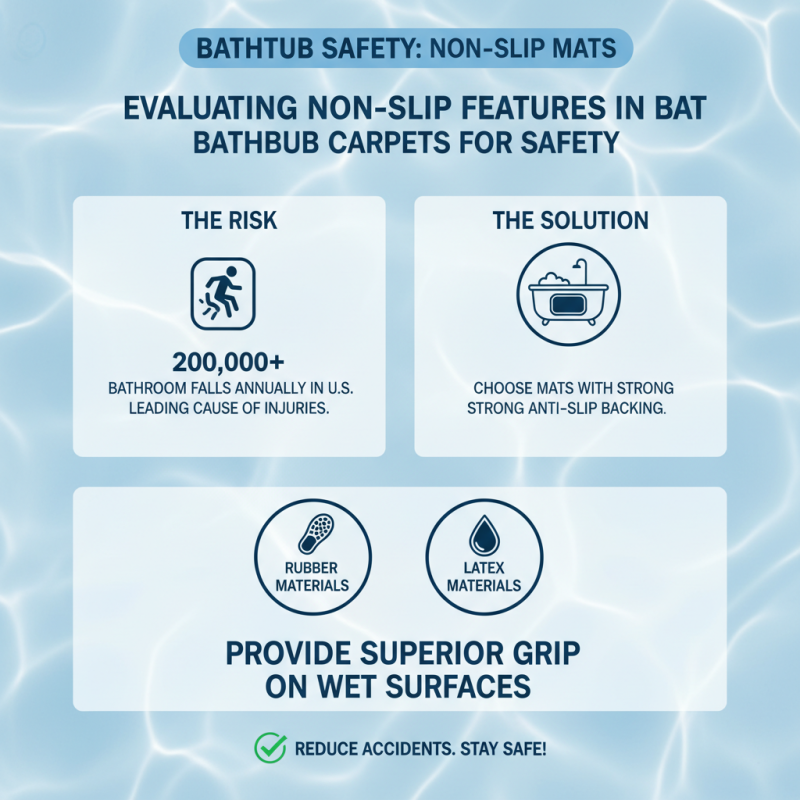
When choosing a bathtub carpet, safety is crucial. Non-slip features can greatly reduce the risk of accidents. Research indicates that slips and falls in the bathroom are a leading cause of injuries, contributing to over 200,000 cases annually in the U.S. alone. Selecting a rug with a strong anti-slip backing is essential for preventing accidents. Rubber and latex materials are effective, providing substantial grip on wet surfaces.
Consider the absorbency of your bathtub carpet. A rug that soaks up water can help prevent pooling, which is a common slip hazard. Look for carpets made from materials that dry quickly. Microfiber is a good choice as it absorbs moisture while remaining comfortable underfoot. Regular cleaning is essential to maintain safety; damp carpets can harbor mold and mildew.
Tips for selection: Always check product specifications for non-slip ratings. Different rugs perform differently; not all are created equal. Test your rug in the bathroom before regular use. Observing performance during wet conditions can reveal a lot. Lastly, remember that aesthetics matter, but safety should always come first when buying a bathtub carpet.
Sustainability in Bathtub Carpets: Eco-Friendly Options
When selecting the best bathtub carpets, eco-friendliness should be a key focus. Many traditional carpets use synthetic materials that can harm the environment. Fortunately, there are now sustainable options available that help reduce this impact. Natural fibers, such as jute or organic cotton, offer comfortable alternatives that are biodegradable. They provide cushioning while being gentle on Mother Earth.
Choosing a carpet made from recycled materials is another great way to promote sustainability. These carpets are not only durable but also reduce waste. They can add a unique aesthetic to your bathroom. However, it's essential to check certifications and brand claims. Not all products labeled as eco-friendly actually meet stringent standards.
Remember that maintenance affects your carpet's lifespan and environmental footprint. Regular washing with eco-friendly detergents will extend its usability. It can be tempting to go for cheaper options. Yet, investing in quality, sustainable carpets can pay off in the long run. They contribute to a healthier home and planet, marrying comfort with responsibility.
Price Range Analysis: Affordable vs. Luxury Bathtub Carpets
When it comes to choosing bathtub carpets, buyers face a diverse price range.
Affordable options often appeal to budget-conscious consumers. These carpets may be made of synthetic fibers.
They provide decent traction and comfort. However, longevity might be a concern.
Regular washing can wear them out quickly. This is something to reflect on when making a budget choice.
On the luxury end, high-quality materials like cotton and bamboo come into play.
These carpets offer exceptional absorbency and softness. They elevate the experience of stepping out of a bath.
Moreover, luxury carpets tend to withstand frequent use better. Yet, they require a higher initial investment.
The cost may cause hesitation. Buyers should weigh the long-term benefits against the upfront expense.
Balancing budget constraints with desired quality is essential for a satisfying purchase.