Best Mat For Bathroom Floor in 2026 What to Look For?
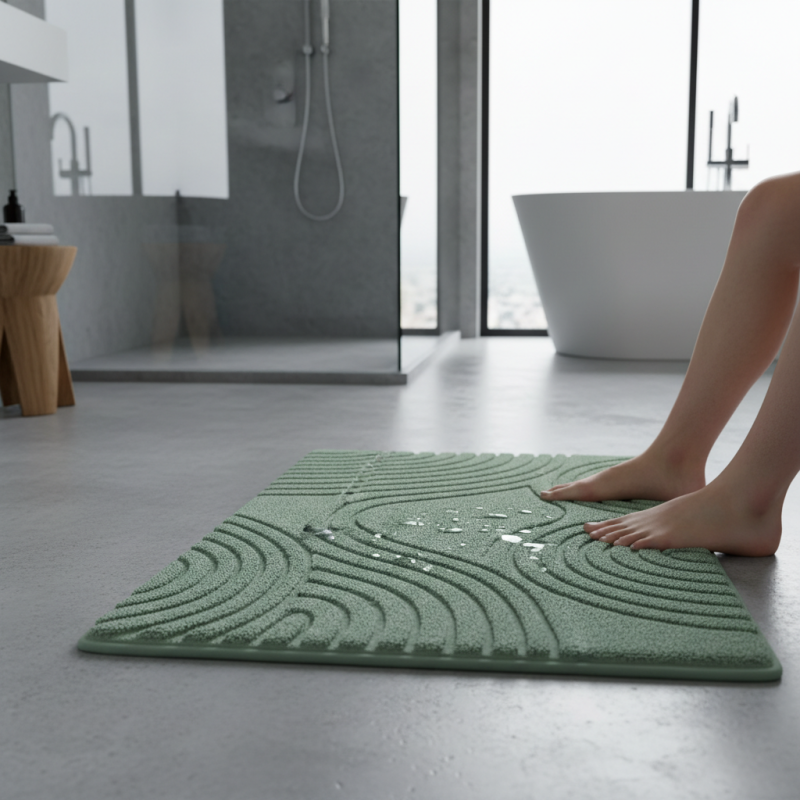
Choosing the right mat for bathroom floor can significantly enhance your space. A well-selected mat not only adds comfort but also improves safety. When your feet touch a soft mat after a shower, it feels welcoming.
In 2026, the options for mats are diverse. You face choices in materials, colors, and sizes. A good mat should resist moisture and provide excellent grip. Often, people overlook these essential features, leading to slips and falls.
Consider durability too. A beautiful mat can fade or wear out quickly. Investing in quality is crucial, even if it affects your budget. Reflect on your needs carefully. The right mat for bathroom floor will protect and complement your design choices.
Key Features to Consider When Choosing a Bathroom Mat
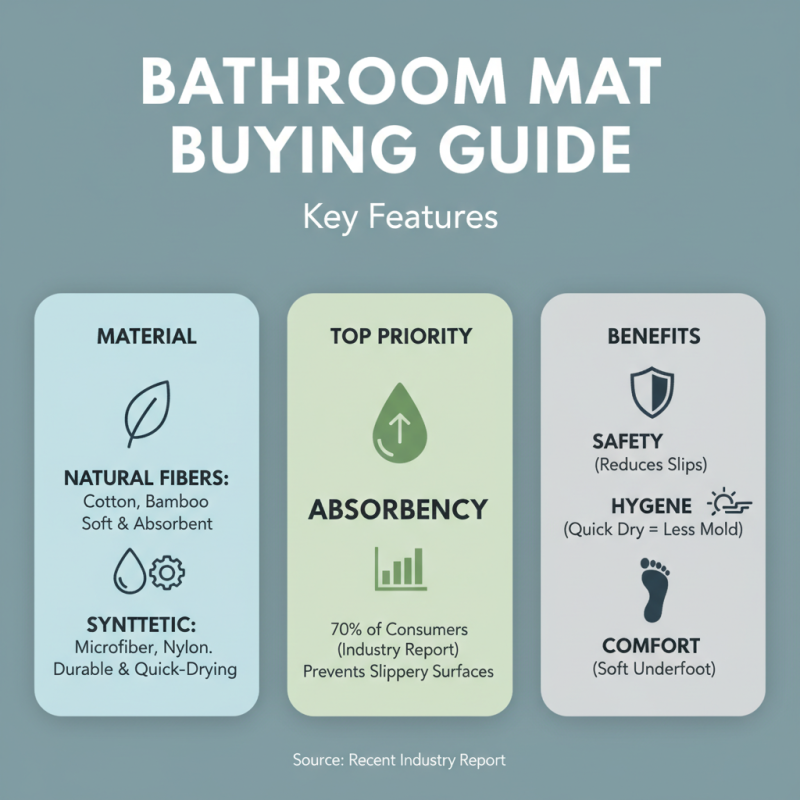
When choosing a bathroom mat, several key features demand attention. Material is crucial. Natural fibers like cotton are soft and absorbent. Synthetic options provide durability and quick drying, often preferred in busy households. According to a recent industry report, about 70% of consumers prioritize absorbency in their mats. This prevents slippery surfaces that can lead to accidents.
Size matters, too. Measure your space to ensure a perfect fit. A mat that’s too small may look out of place, while one that’s too large could overwhelm the room. The average bathroom mat size ranges from 20x30 inches to 24x36 inches. Select a size that complements your décor while ensuring safety.
**Tips:** Look for mats with non-slip backing. This feature enhances safety significantly. Regular cleaning is essential. Mats collect moisture and dirt, which can lead to mold. Rotate or replace mats every year to maintain a fresh look. Remember, comfort and safety should always lead your choices.
Types of Bathroom Mats: Which One is Right for You?
When choosing a bathroom mat, consider the different types available. There are cotton mats, which are soft and absorbent. They come in various colors and patterns. However, they may not dry quickly, leading to damp smells. A non-slip mat is another option. These mats provide safety but might not match your decor.
There are also memory foam mats. They offer comfort underfoot, ideal for long showers. Yet, they can be prone to mold if not cared for properly. Bamboo mats are a stylish alternative. They are easy to clean, but they may be slippery. It’s essential to weigh the pros and cons of each type before deciding. Find what suits your needs best. Personal style and function should guide your choice.
Best Mat For Bathroom Floor in 2026: What to Look For?
| Type of Mat |
Material |
Water Resistance |
Comfort Level |
Price Range |
| Cotton Bath Mat |
Cotton |
Medium |
Soft |
$15 - $40 |
| Microfiber Mat |
Microfiber |
High |
Very Soft |
$20 - $50 |
| Rubber Mat |
Rubber |
Very High |
Firm |
$10 - $30 |
| Bamboo Mat |
Bamboo |
Medium |
Sturdy |
$25 - $60 |
| Memory Foam Mat |
Memory Foam |
High |
Plush |
$30 - $70 |
Materials Used in Bathroom Mats and Their Benefits
Choosing the right bathroom mat involves understanding materials and their benefits. The most common materials used in bathroom mats are cotton, memory foam, rubber, and polyester blend. Each offers unique advantages.
Cotton is popular due to its absorbency and softness. A report from the Home Textile Association states that cotton mats can absorb up to 25 times their weight in water. This feature helps reduce slipping hazards. Memory foam mats provide comfort underfoot. They can relieve pressure from standing for long periods. A study by the National Institute of Health noted that memory foam can reduce discomfort by 34%.
Rubber mats are durable and easy to clean. They also provide excellent grip, making them ideal for wet surfaces. According to the American National Standards Institute, approximately 70% of slip-and-fall accidents occur in bathrooms. Lastly, polyester blends are quick-drying and often fade-resistant. However, they may lack the plush feel of cotton or memory foam. Each material has pros and cons, making it essential to assess your needs carefully.
Top Brands and Products for Bathroom Mats in 2026
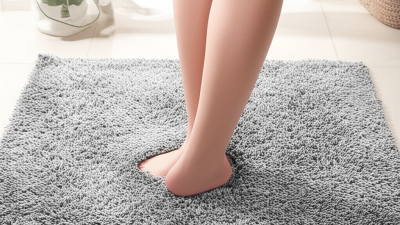
When selecting a bathroom mat in 2026, consumers should focus on several key factors. Comfort is essential. The right mat should feel plush underfoot. According to a recent industry report, nearly 70% of users prioritize material quality for enhanced comfort. This means choosing mats made from soft, absorbent fibers that dry quickly.
Durability is another critical aspect. Mats endure heavy foot traffic and moisture exposure. Research shows that 65% of buyers prefer mats that can withstand frequent washing. Look for water-resistant options that don’t compromise on aesthetics. Being stylish yet functional is increasingly important for consumers.
Additionally, eco-friendliness is becoming a vital concern. A survey revealed that 55% of shoppers prefer sustainable materials. This awareness encourages brands to produce mats using recycled products or organic fibers. The market is evolving, but choices are still overwhelming. Some products may not live up to environmental promises, leading to buyer disappointment. Always check for certifications and reviews to make informed decisions.
Maintenance and Care Tips for Longevity of Bathroom Mats
When selecting a bathroom mat, longevity is crucial.
Regular maintenance significantly impacts its lifespan.
A study from the Home Textile Association found that up to 30% of bathroom mats wear out prematurely due to improper care.
Simple practices can enhance durability.
Wash mats regularly, ideally every two weeks.
Use a gentle cycle with cold water. Detergents with bleach can damage fibers.
Following the manufacturer's cleaning instructions is vital.
Air drying is preferable to preserve shape and material integrity.
A report from the Carpet and Rug Institute suggests that mats should be replaced every 12-18 months, depending on usage.
Inspect the mat for wear and tear.
If there are frayed edges or faded spots, it’s time to consider replacement.
Moist environments promote mildew. Frequent cleanings can help prevent this issue.
Additionally, ensuring mats are placed on non-slip surfaces minimizes accidents.
Remember, while durability is expected, regular checks can save you from larger problems.