What is Bath Inserts and How Do They Enhance Your Bathroom Experience?
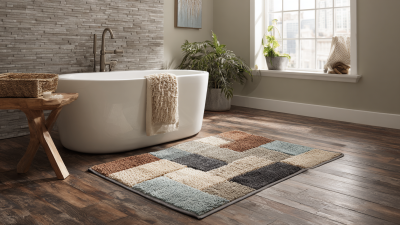
Bath inserts are innovative products designed to transform your bathing experience. These sleek additions can instantly enhance the look and feel of your bathroom. When you think of comfort, bath inserts come to mind. They provide a layer of cushioning, making baths more enjoyable and relaxing.
Not all bath inserts are created equal. Some are made from high-quality materials that offer better support and durability. Choosing the right bath insert requires careful consideration of style and functionality. You may find different options, each promising unique advantages. It can be overwhelming to choose one that fits your needs.
While bath inserts improve comfort, they may not suit everyone's taste. Some find them cumbersome or difficult to maintain. It's important to weigh the pros and cons. A bath insert can significantly elevate your relaxation time, yet it may come with challenges. Adapting your space requires thoughtful reflection on what truly enhances your bathroom experience.
What Are Bath Inserts? An Overview of Their Definition and Types
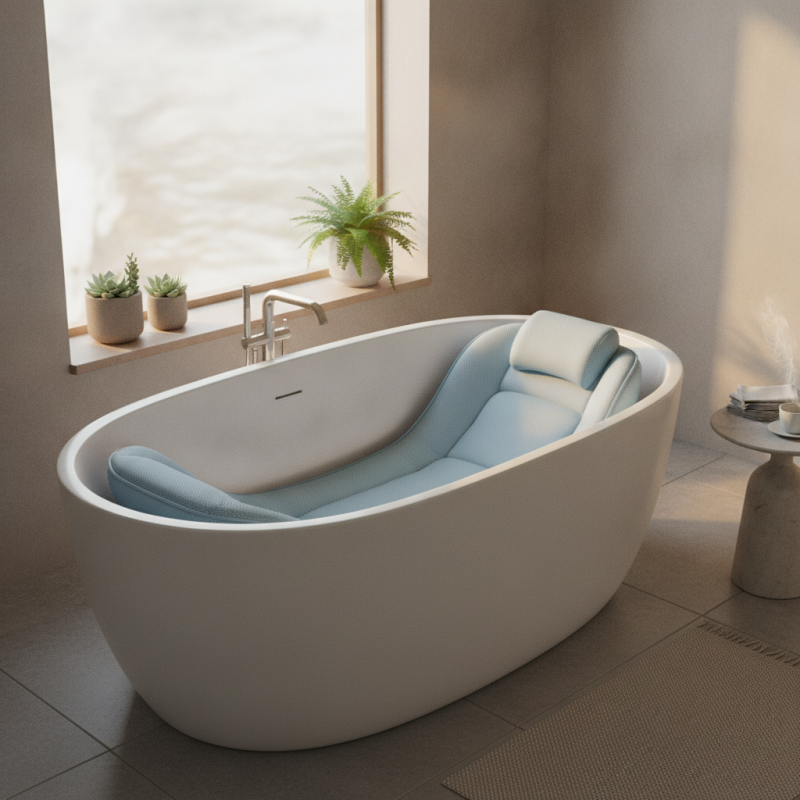
Bath inserts are a popular choice for modern bathrooms, bringing both functionality and aesthetic appeal. These inserts are designed to fit seamlessly into existing tubs, transforming them into a spa-like oasis. They are typically made from materials like acrylic or fiberglass, offering durability and easy maintenance. Reports indicate that more than 30% of homeowners are opting for bath inserts during renovations, showing a growing trend in bathroom upgrades.
Various types of bath inserts cater to different needs. For instance, some inserts come with built-in seating or safety features, addressing concerns about accessibility. Others may include therapeutic jets, enhancing the bathing experience. According to a recent survey, about 60% of consumers value features that promote relaxation and comfort. It’s notable that while these enhancements can elevate the bathroom experience, they also require careful selection to ensure compatibility with existing structures. Misalignment or poor installation can lead to leaks or structural issues, underscoring the importance of professional assessment.
While bath inserts provide significant advantages, potential drawbacks exist as well. Some users may find that inserts can lack the warmth of traditional materials, like porcelain or cast iron. A balanced approach is necessary to weigh aesthetic preferences against functional benefits. Engaging with professionals before committing to an insert can help mitigate these risks and ensure a satisfying outcome.
The Evolution of Bath Inserts: From Functional to Aesthetic Appeal
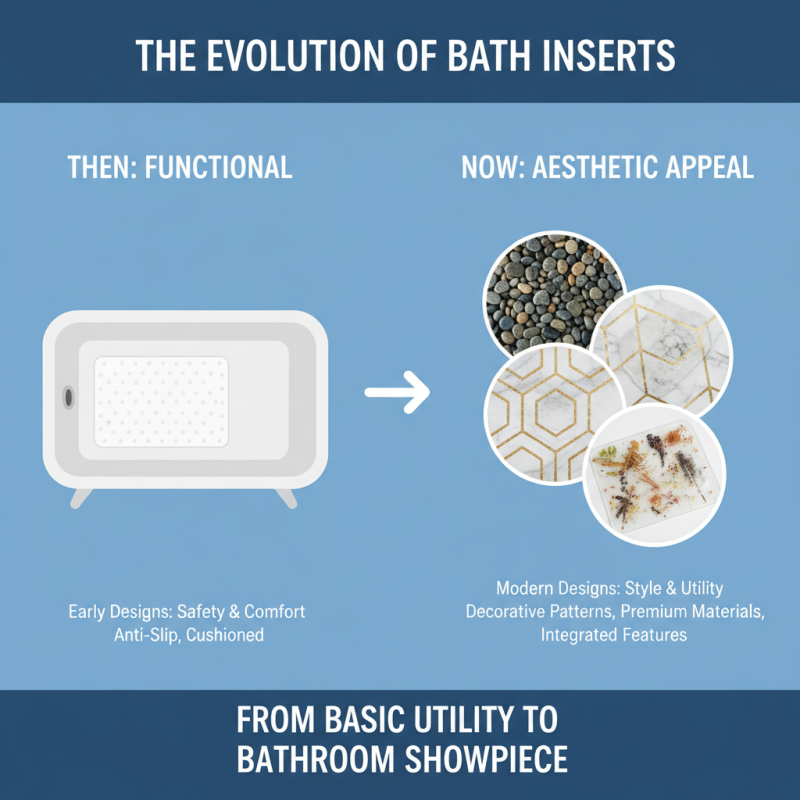
Bath inserts have come a long way from their original purpose of providing extra comfort and safety. Initially designed to prevent slipping and enhance relaxation, these inserts now serve a dual role. They not only offer functional benefits but also add a decorative element to any bathroom.
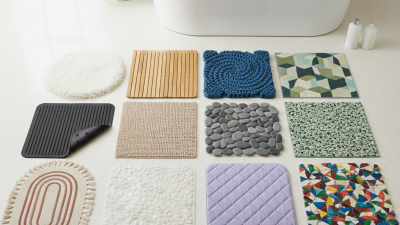
The evolution of bath inserts reflects changing design trends. Today, they come in various materials, colors, and patterns, transforming a mundane bathtub into a spa-like experience. Some models feature contoured shapes that support the body, while others focus on integrating advanced textures for both comfort and style. This shift towards aesthetic appeal allows homeowners to express their personal tastes without sacrificing functionality.
However, with so many options available, it can be overwhelming to choose the right insert. Some may prioritize looks over practicality, leading to less durable choices. It's essential to find a balance between design and usability. While a stunning bath insert can elevate the bathroom's look, it should also withstand everyday use. Thoughtful selection is crucial to achieve a harmonious blend of beauty and functionality.
Key Materials Used in Bath Inserts and Their Benefits
When exploring bath inserts, it's essential to understand their materials and benefits. Common materials include acrylic, fiberglass, and composite. Acrylic is lightweight and resistant to scratches. This makes cleaning easier and provides a sleek look. Fiberglass offers durability and insulation. It retains heat well, keeping baths warm longer. Composite materials combine different substances. They can mimic natural stone without the hefty price tag.
Choosing the right material impacts your bathroom experience. The texture of an acrylic insert feels smooth against the skin. However, choosing a lower-quality option may lead to discoloration. Fiberglass can sometimes feel cold initially. Yet, its practical advantages often outweigh the drawbacks. Composite inserts allow for more creativity in design, but they might not be as resistant to wear over time.
Bath inserts can significantly enhance comfort and aesthetic appeal. They transform ordinary bathing into a spa-like experience. However, balance is key. Consider the potential maintenance needs alongside the initial allure. Weighing the pros and cons ensures better long-term satisfaction.
What is Bath Inserts and How Do They Enhance Your Bathroom Experience? - Key Materials Used in Bath Inserts and Their Benefits
| Material |
Benefits |
Durability |
Maintenance |
| Acrylic |
Lightweight, versatile, and easy to shape, providing a smooth finish. |
Highly durable with resistance to chipping and cracking. |
Easy to clean, requires mild soap and water. |
| Fiberglass |
Cost-effective and lightweight, can be molded into various designs. |
Moderately durable but susceptible to scratches and fading. |
Requires regular cleaning with non-abrasive materials. |
| Porcelain |
Elegant finish, resistant to stains and scratches, and feels natural. |
Extremely durable, but can chip if heavy items are dropped. |
Requires gentle cleaning to maintain finish; avoid harsh chemicals. |
| Stone |
Unique aesthetic with natural variations, provides excellent heat retention. |
Highly durable but can be heavy and requires proper support. |
May require sealing to prevent stains; regular upkeep needed. |
Impact of Bath Inserts on Bathroom Safety and Accessibility
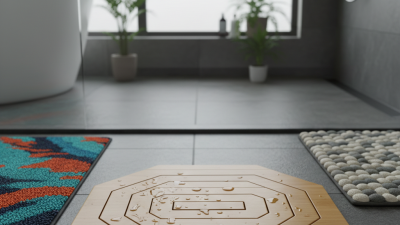
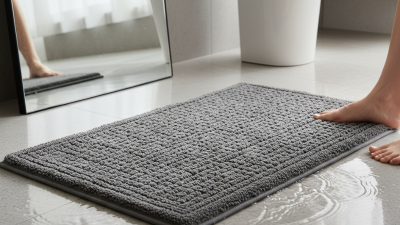
Bath inserts are a practical solution for enhancing bathroom safety and accessibility. According to the National Safety Council, falls in the bathroom account for over 200,000 injuries annually in the U.S. Using bath inserts can significantly reduce these risks. They provide a non-slip surface, which is essential for older adults or individuals with mobility challenges. The textured surface can prevent accidental slips when stepping in or out of the tub.
Accessibility is another critical aspect of bath inserts. A report from the Centers for Disease Control and Prevention highlights that 1 in 4 adults experience some form of disability. By incorporating bath inserts, homeowners can create a more inclusive environment. Many inserts are designed to assist those who may struggle with balance or strength. Some models offer built-in handrails, which provide additional support.
However, not all bath inserts are created equal. Improper installation can negate their benefits. Additionally, some inserts may not fit all bathtub shapes or sizes, leading to potential hazards. Regular maintenance is also necessary to ensure the inserts stay secure. It's vital to periodically check for wear and tear. Consider consulting professionals for the best installation practices.
Market Trends: The Growing Popularity of Bath Inserts in Home Design
In recent years, bath inserts have surged in popularity among homeowners. These versatile additions can transform an ordinary bathroom into a serene oasis. With countless options available, people can choose inserts that align with their style and functional needs. From sleek modern designs to rustic farmhouse styles, bath inserts fit various themes. Their adaptability is a major draw for those looking to enhance their space while staying on budget.
Market research reveals a trend toward sustainability. Many consumers lean towards eco-friendly materials and designs. This shift shows a growing appreciation for both aesthetics and environmental responsibility. However, some homeowners may overlook the maintenance requirements of certain materials. It's crucial to balance beauty with practicality. While a stylish insert can elevate a bathroom, long-term care is often a consideration that requires attention.
Moreover, the accessibility of online design tools has made it easier to visualize bath inserts. Homeowners can experiment with layouts and materials before making decisions. This innovation empowers individuals to make informed choices. Yet, navigating the plethora of options can feel overwhelming. Potential buyers should reflect on their needs and preferences carefully. The ideal bath insert should harmonize with the overall design and enhance user experience.
Popularity of Bath Inserts Over the Years
This chart demonstrates the increasing popularity of bath inserts over the years, reflecting a growing trend in home design that emphasizes comfort and functionality in the bathroom space.